
Unique places to visit around the world
From the ancient oasis of Ghadames to the colourful island of Hōkkaido, these unique places to visit around the world reveal a different side of travel.
11 unique places to visit around the world
Here at Bradt, we’re best known for taking travellers beyond the obvious. While we’ve spent decades uncovering little-known destinations, we also believe in revealing unexpected sides of places people think they already know.
In this collection, we celebrate some of the world’s most distinctive places, from the ancient oasis town of Ghadames in Libya to the sweeping landscapes of Angola’s Namibe Province, and countless fascinating destinations in between. Some are remote and rarely visited; others are well-established favourites that reveal something new when you look beyond the headline attractions.
What connects them is a sense of uniqueness.
These are places with extraordinary landscapes, remarkable histories, unusual cultures and experiences that set them apart from anywhere else on Earth. They invite travellers to dig deeper and venture further.
Whether you’re discovering a country for the first time or returning to somewhere you’ve visited before, the places featured here demonstrate what we have always championed: travel that goes beyond the expected.
Unsusual destinations you can’t miss
To help you navigate this guide, here’s a list of the 11 unique places we’ll cover.
Click any destination below to jump to the full description!
- Kazakhstan
- Ghadames, Libya
- Northern Spain
- Hokkaidō, Japan
- Ladakh, India
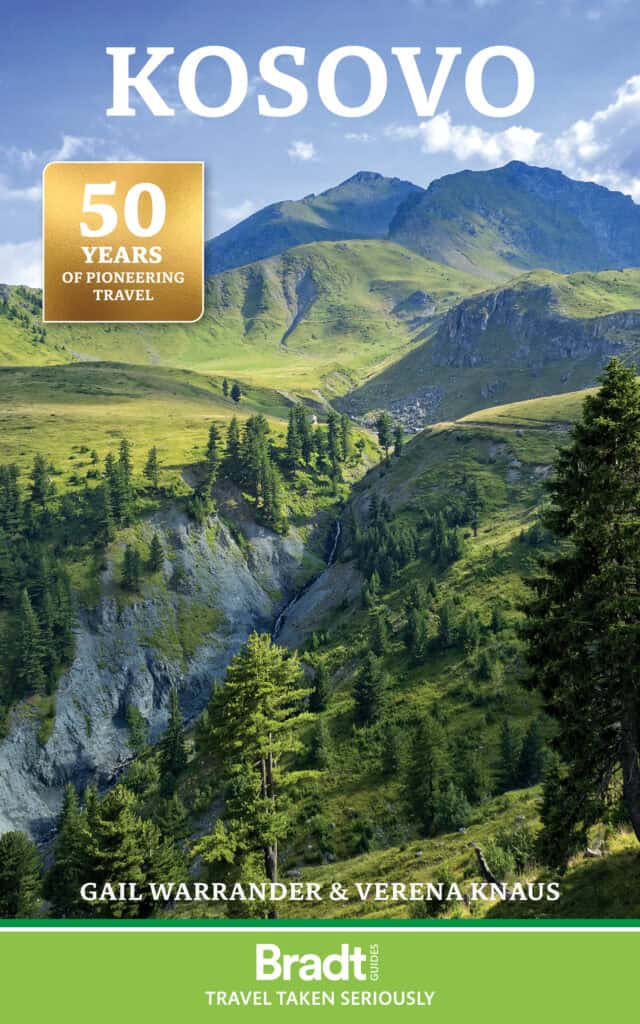
- Western Kosovo
- Suriname’s Interior
- Namibe Province, Angola
- Ashanti Region, Ghana
- Taiwanese Hakka Country
- San Andrés Archipelago, Colombia
Get the guides
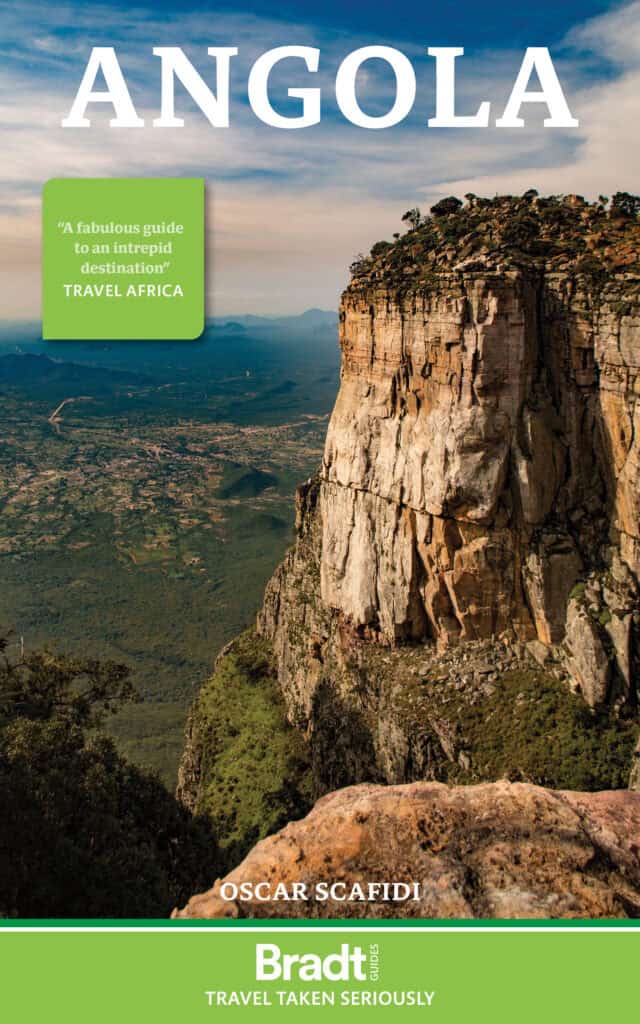
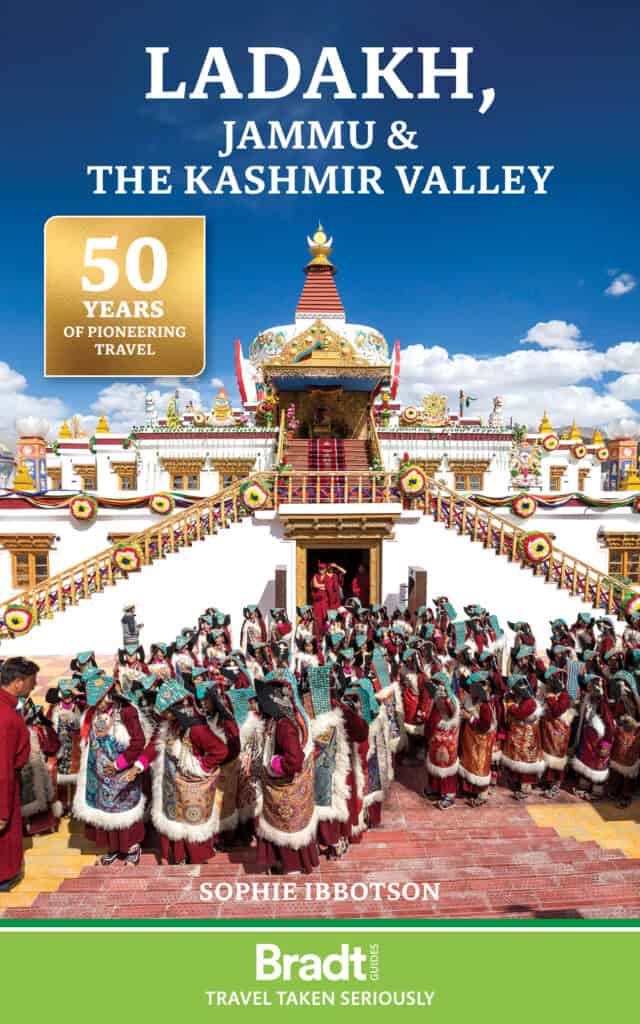
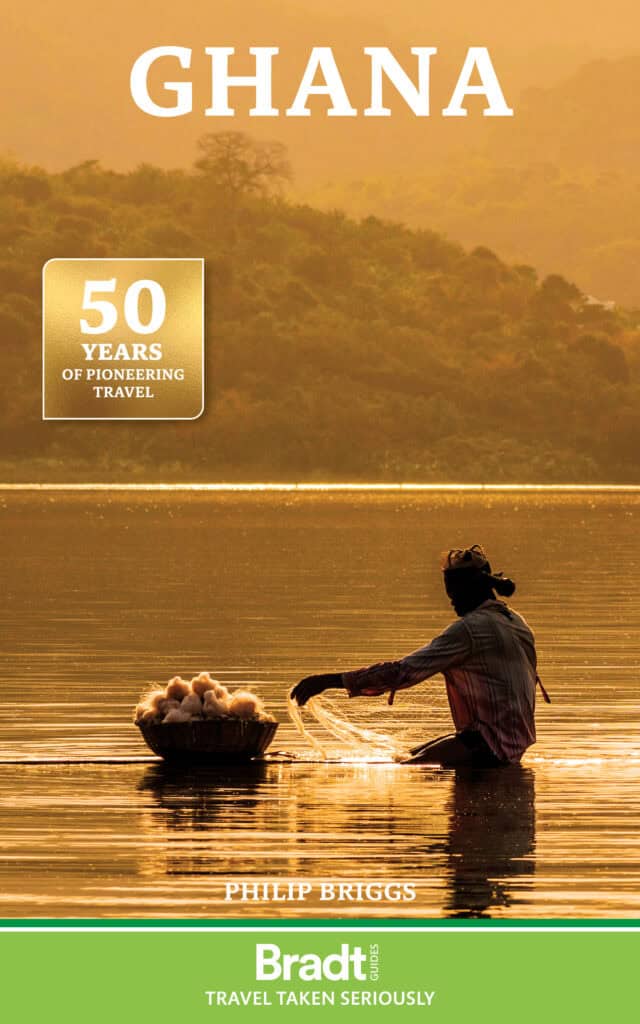
Before you delve into the list, check out the guidebooks that inspired it…



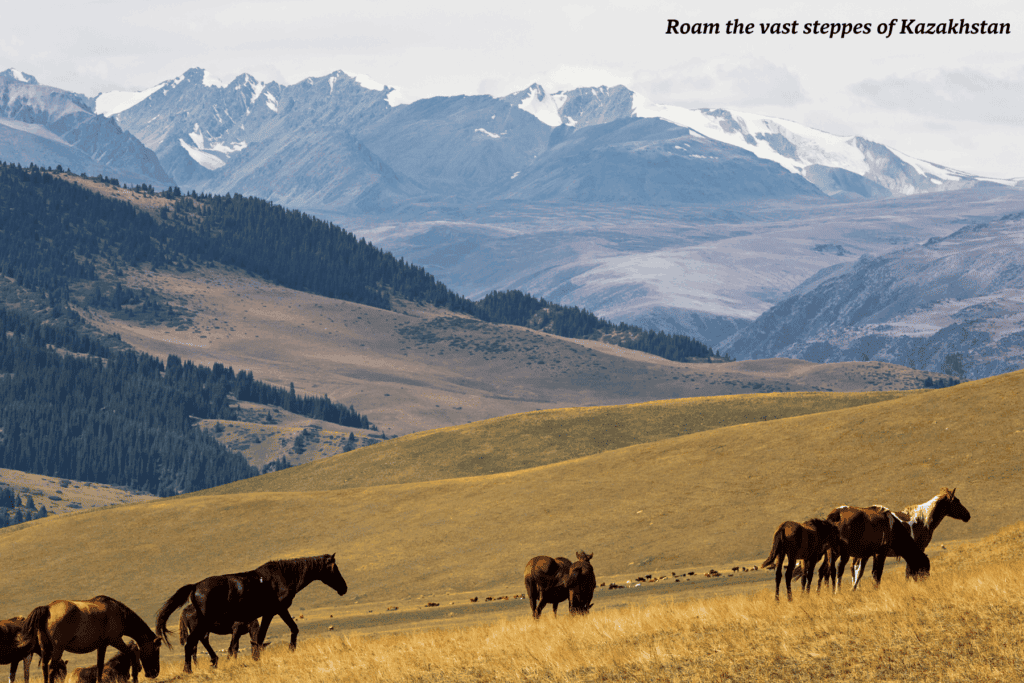
Kazakhstan: get a taste of Central Asia
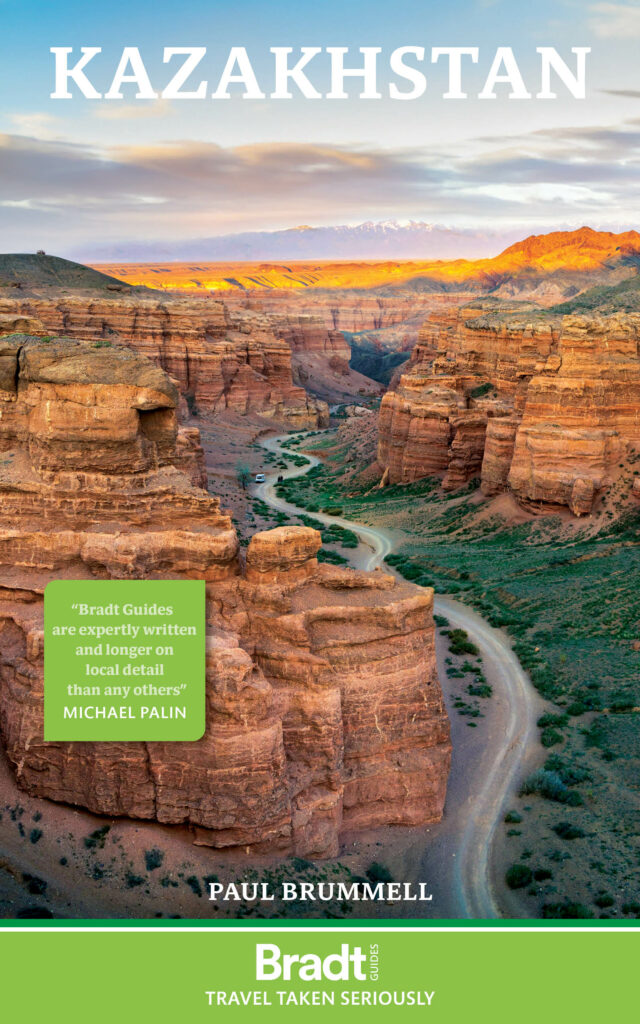
Kazakhstan is not a country that everyone understands immediately, but that is exactly what makes it special.
It sits in Central Asia as the responsible older brother – vast, steady and built on substance rather than spectacle. Most people pass over it, unaware that Kazakhstan is the anchor that holds the region together, introducing visitors to the unique rhythms of Central Asia before they travel any further.
Out west is Mangystau, a surreal region of white chalk cliffs rising from desert plains, shaped by wind into lunar formations. The Caspian Sea appears at the edge of the steppe, turning the landscape stranger still.
Almaty may no longer be the country’s capital, but it remains its cultural heart. Here, Soviet blocks sit beneath the Tian Shan mountains, and alpine terrain is only a short drive away. Further south is Turkistan, home to the Mausoleum of Khoja Ahmed Yasawi, a UNESCO World Heritage Site, and a key Silk Road monument. Baikonur remains the world’s original spaceport with rockets launching several times a year, and on the Caspian coast, Aktau is an oil town with a peculiar, almost otherworldly seaside.
Young Pioneer Tours offer a range of trips to Kazakhstan, as well as regular departures on their renowned ‘Five Stans Tour’.
Visit their website for regular updates on their group, independent and bespoke travel packages to Kazakhstan.

People in Kazakhstan are straightforward, welcoming and patient with outsiders. Hospitality is genuine rather than performative, making travel easier than expected. Stretching across the endless steppe, the country extends farther than most travellers expect. Distances swallow entire days on the road, Soviet-era planning is still visible in cities and infrastructure, and everything feels built for function rather than display. It is a place that reveals itself slowly, rewarding those who take the time to explore it properly.
However long you spend in Kazakhstan, you’ll leave with spectacular memories, a sense of perspective, and a clearer understanding of one of the world’s most unique regions – even if you cannot fully explain it on your return.
- Recommended reading: 10 facts about Kazakhstan that will surprise you
How to explore Kazakhstan
The easiest way to get to Kazakhstan from western Europe is by air. The national carrier, Air Astana, flies to a wide range of international destinations and its service is excellent.
Given Kazakhstan’s huge size, internal flights are an important means of getting around the country. There is a relatively well-developed domestic network, with flights to every regional capital, as well as to a small number of other large towns, such as Semey and Zhezkazgan. Almaty and Astana are the main hubs of the domestic network, though there are also a few direct connections between other cities.
While not a fast way to travel, taking the train is also a great way to appreciate the enormity of the country, as you sweep through great expanses of steppe and desert, and offers good opportunities for interacting with the local people.
Kazakhstan is a country of extremes, with scorching summers, bitter winters, and big regional variations. The best time to visit is from late April to early October, when the steppes bloom, trekking routes open, and the weather is warm across most of the country.
Find out more in our guide to Kazakhstan.
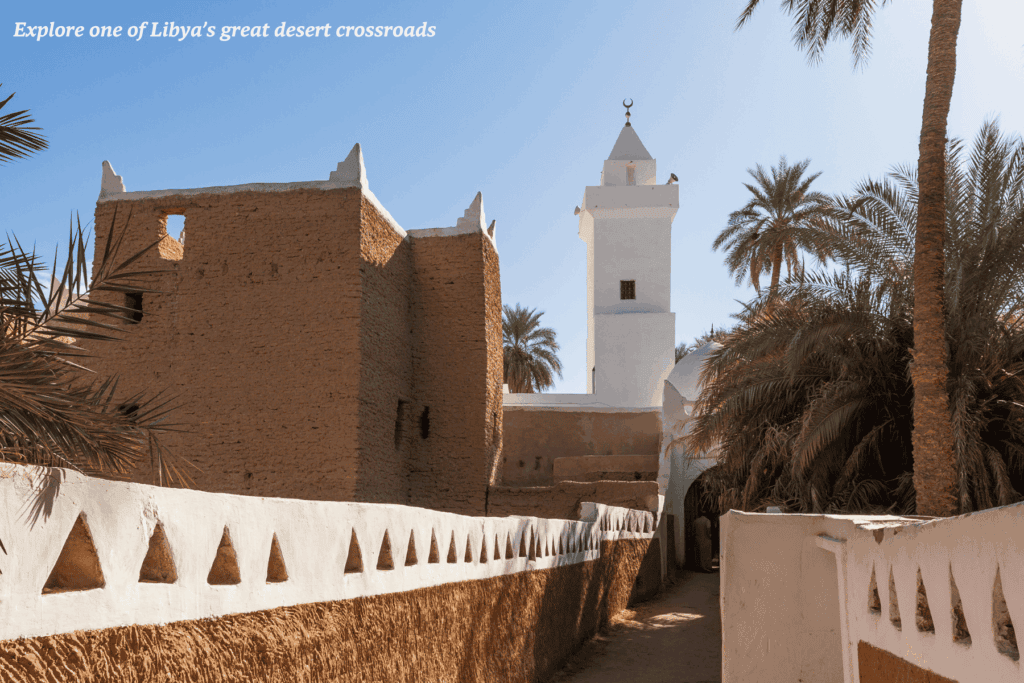
Ghadames: visit the ‘Pearl of the Desert’ in Libya
Libya rarely appears near the top of most travellers’ wish lists. Years of political instability have kept visitors away, and outside a handful of headlines, much of the country remains unfamiliar to the wider world.
That is a pity.
Few places in North Africa feel so untouched by tourism, and nowhere captures the appeal of Libya more clearly than Ghadames, an oasis town near the Algerian and Tunisian borders, around 600km west of Tripoli.
Known as the ‘Pearl of the Desert’, it rises unexpectedly from the Sahara in a cluster of whitewashed mud-brick buildings and palm groves. For more than a thousand years, caravans carrying gold, salt and textiles paused here on the trans-Saharan trade routes, turning Ghadames into one of the region’s great desert crossroads.
RJ Travel LLC offer small-group tours (maximum 10 people) to Libya, including UNESCO-listed Ghadames. Explore ancient Berber streets, vast Saharan dunes, and experience a traditional Tuareg fire camp under the stars. Visa, Letter of Invitation, all permits, accommodation, transport and expert guides fully included. Book at least two months in advance. Prices start at £1187 pp.

The UNESCO-listed old town is remarkably well preserved – wandering through its maze of lanes feels like stepping into an architectural time capsule. Many of the covered passageways admit light only through small openings above, creating cool tunnels that offer protection from the desert heat. The houses follow a strict vertical arrangement: storage rooms on the ground floor, family quarters above and rooftop terraces traditionally used by women.
There are no permanent residents here, but the town does not feel abandoned. Former inhabitants often return during the hottest months, gathering in shaded meeting spaces and tea houses around the medina in search of relief from the Saharan sun.
There is an unusual calm to Ghadames, a silence broken only by footsteps echoing through its pale alleyways. In a region filled with dramatic desert scenery, it remains one of the Sahara’s most memorable settlements.
How to explore Ghadames
Reaching Libya is rarely straightforward, though some might say that is part of its appeal. There are no direct flights from the UK so most travellers arrive via hubs such as Istanbul, Cairo or Tunis before continuing to Tripoli. Flight schedules can change quickly, so flexibility is essential when planning a journey, particularly for onward travel into the country’s interior. Visitors heading to Ghadames should also expect a long drive across the desert from the capital.
Independent travel can be complicated, especially for first-time visitors. Road journeys are slow, checkpoints are frequent and reliable information is not always easy to find outside major cities. For this reason, many travellers choose to visit with an established tour company, that can assist with transport, permits and guides, and make travel through remote regions considerably simpler.
Packing for the desert climate also requires careful thought. Daytime temperatures can be intense even outside the peak of summer, while evenings in the Sahara often become unexpectedly cold. Lightweight clothing, sturdy footwear, suncream and a generous supply of water are all essential, along with a scarf or head covering for protection against sun and blowing sand.
Before travelling, always consult the latest government travel advice for Libya for up-to-date information on safety, visas and entry requirements.
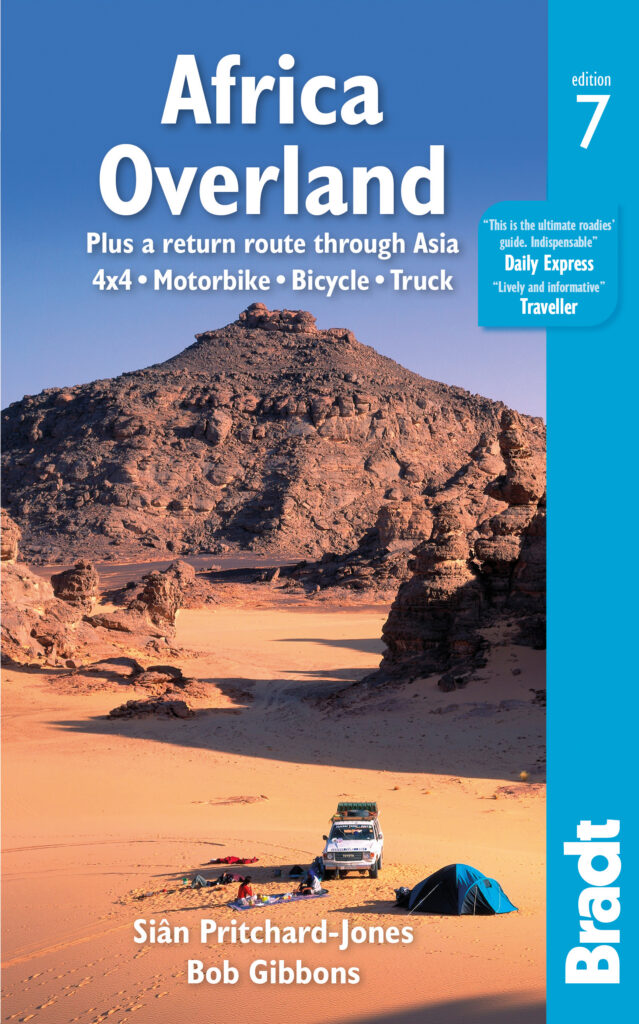
Want to see more of the continent? Don’t miss our guide to travelling Africa overland.
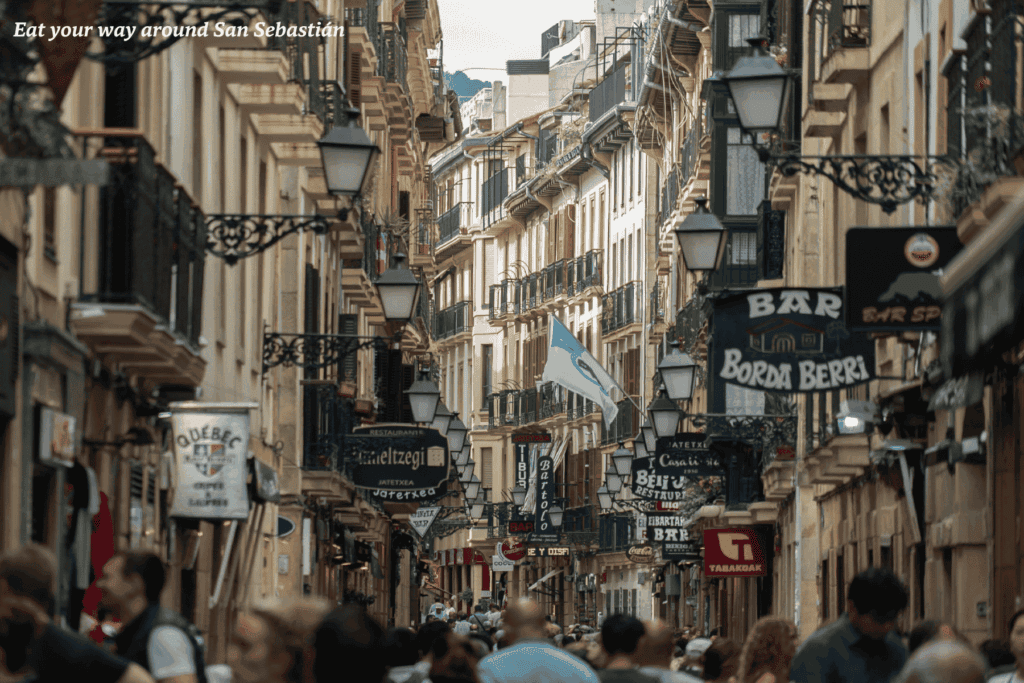
Northern Spain: wander vineyards, villages and urban delights
From a distance, Spain may look compact, but a closer look reveals incredible diversity. On a first visit, you might be tempted to limit yourself to the obvious choices – perhaps Barcelona or Madrid.
Those headline destinations are only the beginning.
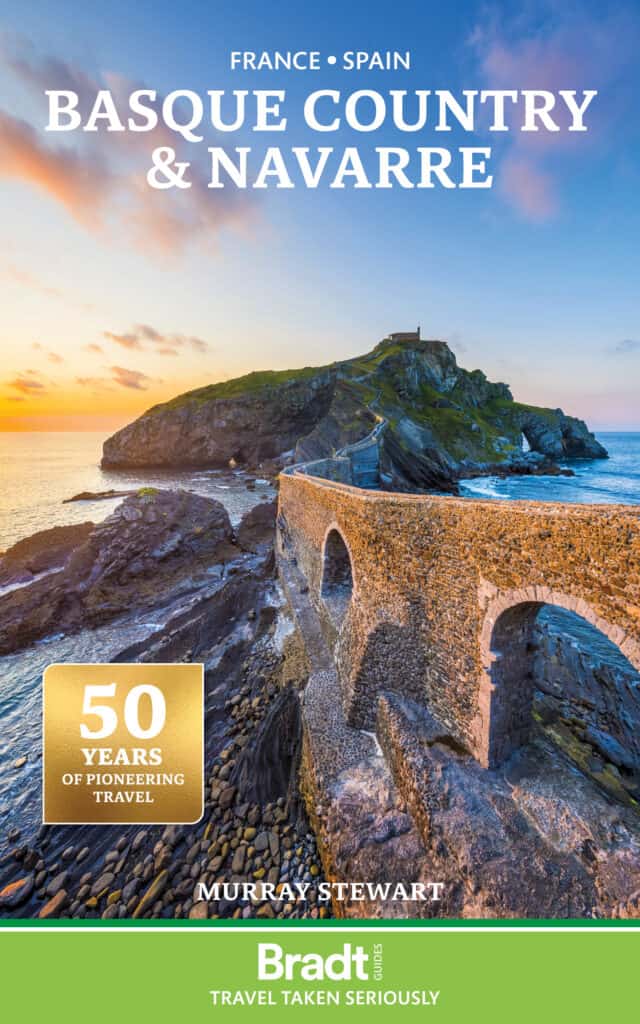
Since one visit to Spain is rarely enough, you’ll depart already yearning for a return trip. To deepen your ‘Hispanic experience,’ head north from Madrid to sip the world-class wines of La Rioja and gorge on the sensational cuisine of San Sebastián. Enjoy a coastal meander and experience the breathtaking Burgos Cathedral, and your Spanish education will be much broader, if not complete.
Spain’s premier red wine region stretches across La Rioja, Navarre and the southern Basque Country. Here, the unique appearance of the world-renowned Marqués de Riscal ‘City of Wine’ will dazzle – both with its wines and its architecture. This imposing development includes a glittering, titanium-clad hotel, designed by the late Frank Gehry, creator of Bilbao’s Guggenheim.
WalksDevour offers a two-day journey from Madrid through Rioja and the Basque Country, with a Marqués de Riscal tasting and lunch, a San Sebastián pintxos tour with local guides, a coastal Txakoli winery visit, private transport, and a 4-star hotel stay. Prices start at £903 pp.

From there, it’s a short journey to San Sebastián and its array of gastronomic temptations. Join the locals for an evening paseo (gentle stroll) above the city’s beaches, before immersing yourself in the Old Town’s bustling pintxos (Basque tapas) bars. A knowledgeable guide is essential to help navigate the extensive delicacies on offer, including spider-crab, black pudding and the celebrated Basque cheesecake.
Next, take a trip along the coast, marvelling at the surfer-friendly waves before stopping for lunch at Getaria, the best of the region’s fishing villages. Dine on impeccably fresh seafood, accompanied by the Basque Country’s best-kept secret: txakoli, (pronounced ‘cha-coal-ee’), a lightly sparkling ‘good-time’ wine.
End your trip inland at the mighty Burgos Cathedral (recognised as a UNESCO World Heritage Site), where pilgrims walking the Camino de Santiago pause to draw breath beneath its soaring Gothic spires.
How to explore Northern Spain
The ever-increasing tentacles of budget air travel allow the visitor direct flights to the Basque Country, principally through Biarritz or Bilbao, from London and a few regional UK airports. Note that not all flights operate daily, nor throughout the year. Instead, travellers may wish to fly to either Madrid or Barcelona and begin their Basque adventures from there, either on a tour or by catching an internal flight to their final destination.
In terms of climate, no months can be guaranteed as being totally rain-free. July and August may be the warmest, but they are also the most popular, with the latter being particularly awash with visitors, mainly locals and tourists from other parts of Spain. June and September bookend the Spanish holidays, making these months very pleasant for those who like to escape the crowds or who baulk at paying higher accommodation prices.
If you are determined to visit a specific town or area at a specific time, check the relevant tourist office website to see whether your visit coincides with a local festival: this might be exactly what you want, but if it’s not, then you may wish to reconsider your dates to avoid higher prices or non-availability of accommodation.
Find out more in our guide to the Basque Country & Navarre.
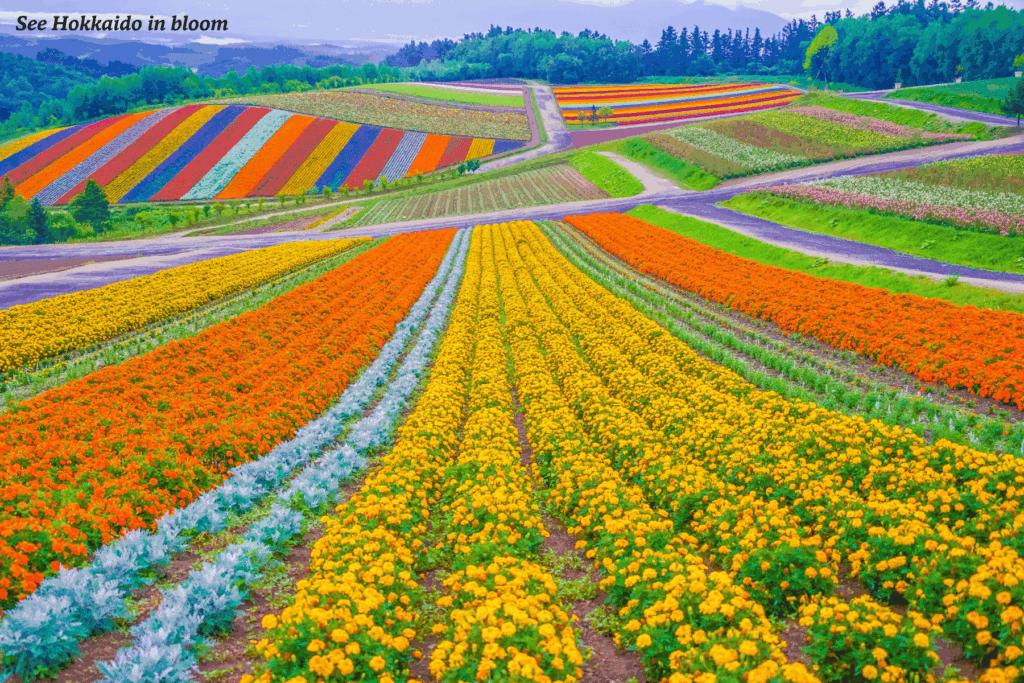
Hokkaidō: get lost on Japan’s northernmost island
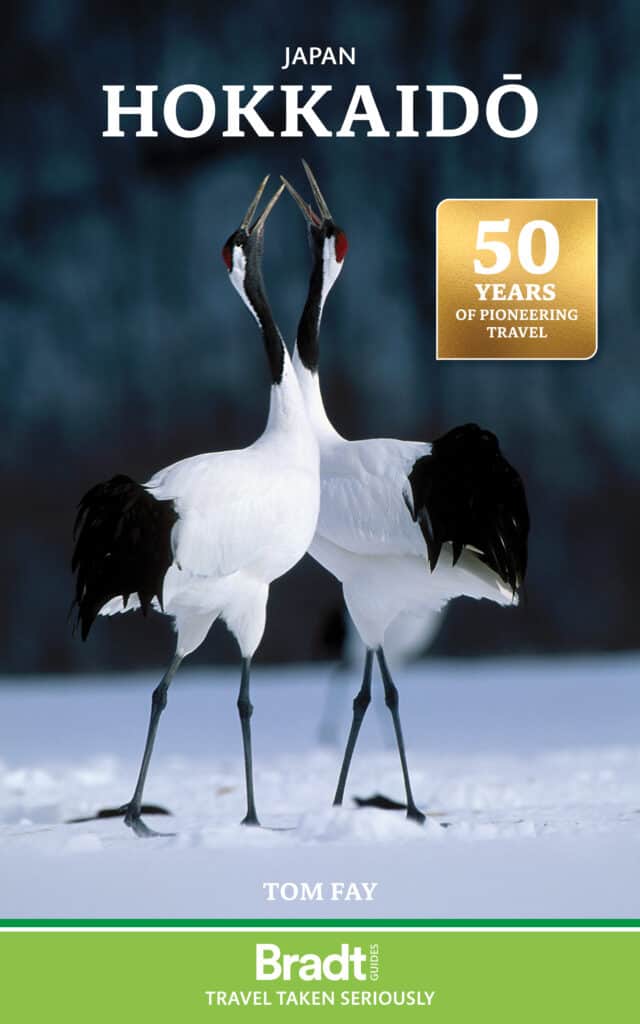
Hokkaidō has always been seen as somewhat of an outlier; a vast, cold, distant and mysterious island in the far north of Japan; the homeland of the Ainu, a place where winter seems to last almost half the year and brown bears roam wild.
Hokkaidō differs quite dramatically from the rest of Japan in terms of history, climate and ecology, and the island sits at a unique juncture geographically, culturally and even politically – a kind of halfway house between the mega-cities of central Japan and the great empty wildernesses of the Russian far east. Indeed, Sapporo, Hokkaidō’s largest city and the regional capital, is closer to Vladivostok than Tokyo, and the long-running dispute between Japan and Russia over the ownership of the southernmost Kuril Islands has been ongoing since the end of World War II.
But that shouldn’t paint a picture of Hokkaidō as some sort of pot-holed battleground between two tussling super-powers – what draws most visitors to Hokkaidō are the beautiful natural landscapes and wide-open spaces that provide a sense of escape from the other much more crowded regions of Japan. Perhaps for this reason the island has long attracted adventurous souls, bohemians and other people with a spirit of independence.
The name ‘Hokkaidō’ roughly translates to ‘northern sea road’ or ‘northern sea circuit’, evoking images of untouched nature, cold and preposterously snowy winters, sprawling expanses, endlessly long, empty, straight roads, bubbling hot springs and steaming volcanoes, bucolic countryside, plus delicious seafood and farm produce.
The island offers a wealth of attractions, all year round. The warm summers are conducive to hiking, camping, cycling, fishing and road trips, while the cold winters blanket most of Hokkaidō often under metres of snow, providing great opportunities for skiing and snowboarding (both backcountry and piste), ice-floe walks on the Sea of Okhotsk or attending one of the island’s spectacular ice festivals.
From the lavender fields of Furano to the canoe trails of Kushiro Marsh, each visit to Hokkaido promises unique experiences and ever-changing landscapes.
How to explore Hokkaidō
Most visitors arrive in Japan at either Narita International Airport (near Tokyo) or Kansai International Airport (which serves Osaka/Kyoto), with other international gateways including Haneda (Tokyo), Nagoya, Fukuoka, Naha (Okinawa) and New Chitose (Sapporo). The majority of international flights arriving at New Chitose are from neighbouring Asian countries, so chances are you’ll need to catch a connecting flight to Hokkaidō if flying into Japan from abroad.
Luckily, Japan is an easy country to explore for foreign travellers, owing to its superb and reliable transport infrastructure, dutifully helpful staff and the kindness of locals. JR Hokkaidō operates all of the railways on the island; their website has plenty of useful information on routes, timetables, rail passes and service status updates. Alternatively, flying can be a time-efficient way to reach the furthest corners of Hokkaidō. Daily (and some seasonal) flights with ANA and Japan Airlines connect New Chitose Airport to Hakodate, Kushiro, Memanbetsu, Nakashibetsu, Wakkanai and Rishiri.
In Japan generally, and on Hokkaidō in particular, the seasons are distinct and dictate everything – winters are long, cold and snowy, and summers can be (like the rest of Japan) uncomfortably hot and humid, though Hokkaidō tends to be a bit less stiflingly hot and sticky than other parts of the country. In spring the cherry blossoms bloom here later than anywhere else, and conversely the autumn colours arrive much earlier.
Find out more in our guide to Hokkaidō.
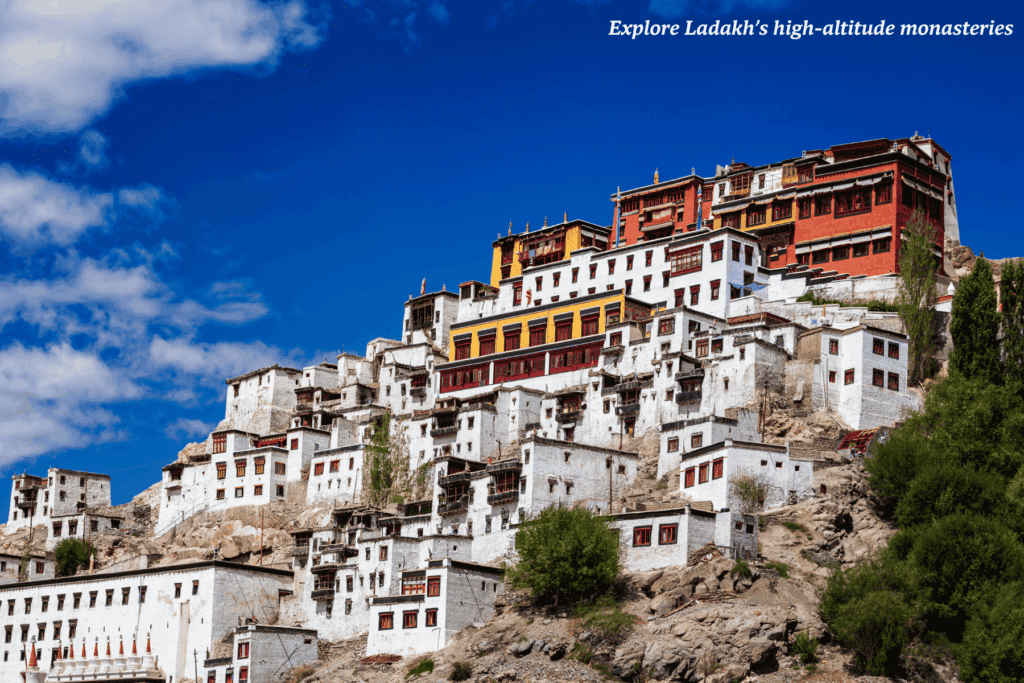
Ladakh: journey into India’s Himalayan frontier
Whether you were fortunate enough in times gone by to be a Mughal emperor, a civil servant of the Raj, a hippie on the hippie trail, or are a modern visitor discovering Ladakh now for the very first time, you cannot fail to be impressed by this region.
Life in Ladakh centres on the mountain town of Leh. The best way to get a feel for the city is to start out in the bustling bazaar and then climb the spaghetti-like tangle of streets between there and the palace further up. The alleys are far too narrow for a car to traverse, instead offering a glimpse into history: men struggling uphill with handcarts laden high with vegetables; women baking flatbreads in ovens open to the street; and crowds of schoolchildren racing and shrieking along, excitable but good-natured street dogs in pursuit.
The road from Leh to the Nubra Valley in the northeast is a stunning journey that’s an attraction in its own right, mainly due to the dramatic Khardung La mountain pass. The road winds its way initially along a vibrant green valley where streams cascade over rocks and each irrigated field is lined with shade-giving trees, substantial houses and large white stupas.
Elsewhere, in southeast Ladakh, you’ll find some of the wildest, remotest and most beautiful scenery in the Union Territory. Here the human population is scant, especially as you move away from the monasteries, but in the parts where people fear to tread, the mountains and lakes roar across the landscape, ripping up the land into jagged peaks through which mighty rivers flow. The southern lakes of Pangong Tso, Tso Moriri and Tso Kar may be far from habitation and along pretty awful roads, but their turquoise waters and unspoiled surroundings more than justify the bumpy journeys out to reach them.
With epic moonscapes, atmospheric cliff-top Buddhist monasteries, incredible trekking opportunities, breathtaking bodies of water and vibrant Tibetan Buddhist culture, Ladakh is one of the most alluring parts of the Himalayas and one Asia’s most unique destinations.
How to explore Ladakh
India is well connected to the rest of the world, particularly in terms of flights, and onward transport connections from Delhi to Leh are affordable and frequent. The flight from Delhi takes about 1 hour 15 minutes, and tickets in high season can be in short supply, so book ahead to ensure you get the date you want. Note that even in August bad weather can cause flight delays and cancellations.
Once on the ground, public buses are the cheapest way to travel and depending on the type of bus (standard, deluxe, coach, etc) you might even get your own seat. Larger items of luggage (and occasionally additional passengers) travel on the roof, so buy a small padlock for your rucksack or case and keep valuables inside the bus with you.
Ladakh is a year-round destination, but you’ll need to take the weather into account. In winter Ladakh is only accessible by air, as the roads are closed due to snow. Be warned: getting around at this time can be very difficult and most accommodation is closed. Nevertheless, this is the best time to spot snow leopards on one of the growing band of snow leopard safaris, as well as undertake the Chadar Winter Trek along the frozen Zanskar River.
Find out more in our guide to Ladakh, Jammu and the Kashmir Valley.
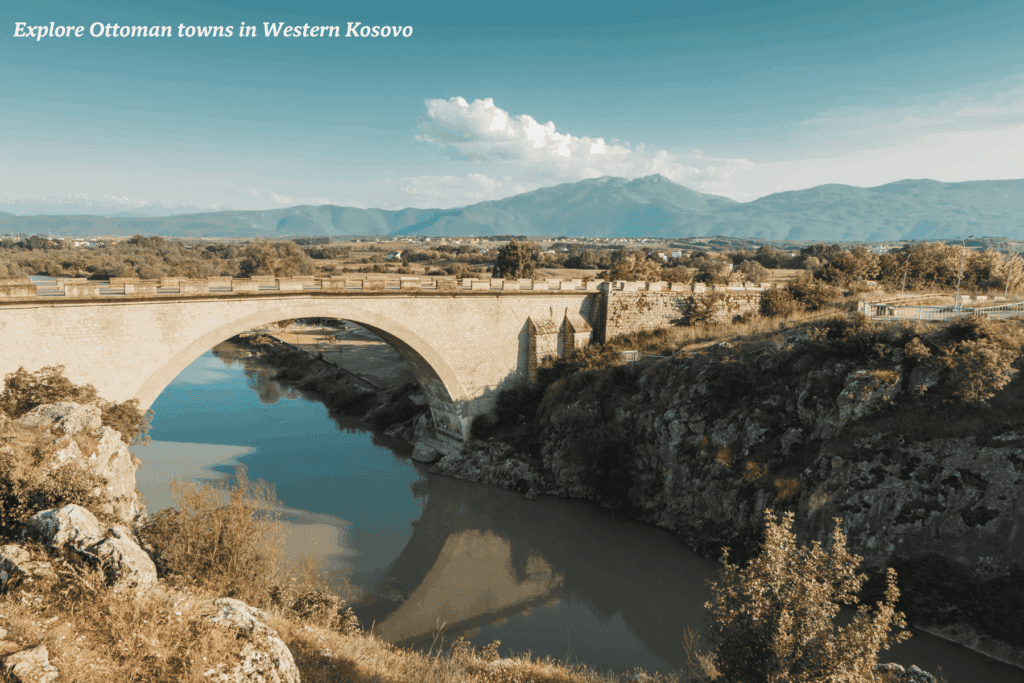
Western Kosovo: immerse yourself in the country’s cultural heartland
Few people think of Kosovo as a top European tourist destination. Until fairly recently, most ‘tourists’ were either diaspora or people who came to Kosovo as part of the UN mission, diplomats, soldiers or development consultants. Only the lucky few who ventured out of their offices in Pristina or took a detour while heading to other nearby Balkan countries knew about Kosovo’s many secrets and awe-inspiring nature.
Thankfully, that is beginning to change.
Packed into a relatively small place, Kosovo has breathtakingly beautiful mountain peaks, waterfalls and wildflower meadows, as well as fascinating cultural treasures, Ottoman-era buildings, stone houses, churches, mosques and medieval fresco paintings. There are rivers for fishing, lakes for swimming and fabulous walking and mountain-biking trails. Its quaint villages will charm, while its larger cities buzz with a youthful energy that’s been lost elsewhere in Europe.
There is something for everyone in Kosovo, and whatever it may lack compared to its neighbours on the trodden path, the country undoubtedly makes up for it with unwavering and unbelievable hospitality.
Download the Bradt App
Explore on the go with the Bradt App.
Our guide to Kosovo is already available, alongside a growing selection of titles, with new destinations dropping every month.
What are you waiting for?


If you’re looking to experience the best that this unique Balkan nation has to offer, western Kosovo is the best place to start.
Here, travellers will be rewarded with a region rich in cultural heritage and endowed with fantastic scenery, from the Rugova Canyon to the Mirusha Waterfalls. Many of Kosovo’s best highlights are to be found here, including the Visoki Dečani Monastery, Hadum Mosque and the old bazaar in Gjakova, the Serbian Orthodox Patriarchate in Peć and traditional kullas in Isniq and Drenoc. This area has always been a multi-cultural mosaic, with sizeable Catholic Albanian, Serbian Orthodox, Bosnian and Montenegrin minorities.
Thanks to the fertile Dukagjin (Metohija) Plain, western Kosovo has traditionally been a wealthy area with a strong sense of local pride shared by everyone originally from the ‘Dukagjini area’. For passionate mountaineers, the region offers endless adventures around Bjeshkët e Nemuna/Prokletije (the Accursed Mountains), including Gjeravica, the highest peak within Kosovo at 2,656m, and access to the award-winning Via Dinarica and Peaks of the Balkans mega-hiking trails.
How to explore western Kosovo
Pristina International Airport is well served by flights from the UK. Wizz Air has expanded its service to six weekly direct flights between Pristina and London Luton, reflecting increased demand. If you’re travelling from elsewhere in Europe, buses are the cheapest way of getting to Kosovo, departing from as far afield as Sweden. Equally, taking a bus is also the best way to reach western Kosovo. The most up-to-date source for checking bus times for both international and domestic routes is Gjirafa.
Alternatively, you can hire a car in Pristina. Driving around Kosovo is like driving around much of the Balkans. Be prepared for anything and everything, including reversing the wrong way up a street and some aggressive overtaking. Although there is a general relaxed pace to life in Kosovo, the same cannot be said of the driving. In an effort to humorously highlight the poor quality of roads in the country, a local newspaper once ran a competition for the biggest pot-hole in Pristina. There were dozens of entries, but the winner was a hole which was more than 50cm deep and several metres long!
The best time to come to Kosovo is spring, when the fields are bright green but there is still some snow on the tops of the mountains and the flowers in the meadows are in bloom. Early summer can be a good time to visit, but in July and August, the flights tend to book up and the roads can be busier with many from the diaspora returning.
Find out more in our guide to Kosovo.
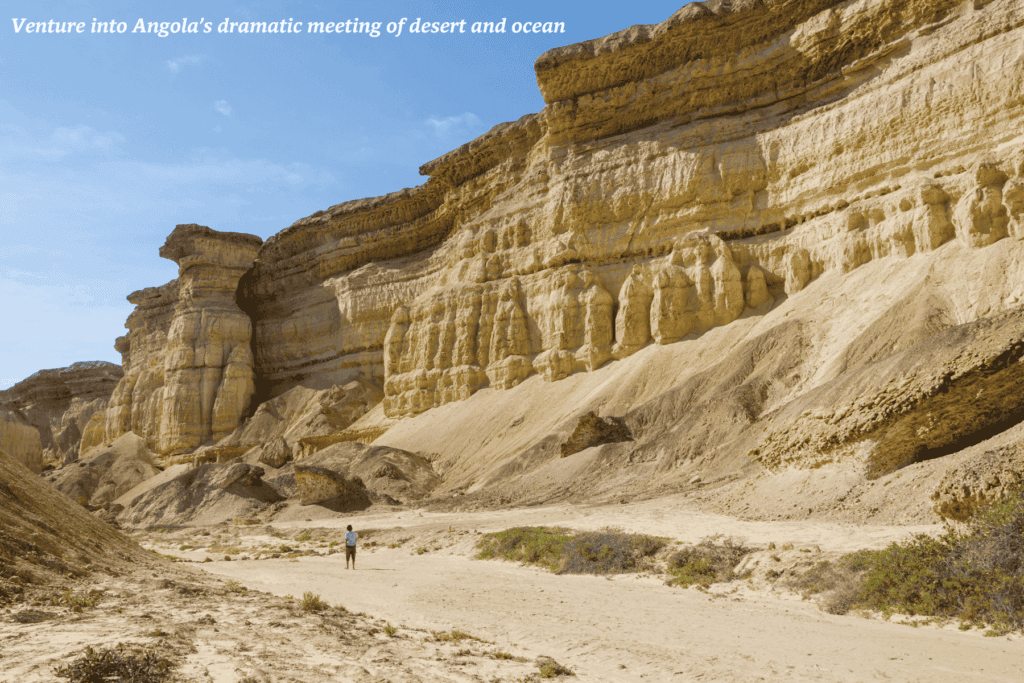
Namibe province: uncover Angola’s desert coast
Angola, for many members of the older generation, still evokes distant memories of grainy black-and-white TV coverage of a guerrilla war in a remote part of Africa. As is often the case, there is an element of truth in this impression, but it is not the whole story.
Angola is not clinging mawkishly to its past; the war is over and there is no chance of a return to conflict. The country is moving forward, reconstruction is taking place everywhere and there is a huge feeling of self-confidence, pride and optimism. Today, that renewal is most visible in places where the country’s geography feels almost otherworldly, none more so than the coastal province of Namibe.
Bordered by the Atlantic Ocean to the west, Benguela to the north, and Huíla and Cunene to the east, Namibe province unfurls into one of Africa’s most surreal landscapes, where desert, ocean and sky join in cinematic harmony.
Hidden away in desert, scrub and savannah are at least 15 sets of ancient rock paintings, the most important being at Tchitundo-Hulo. Archaeologists are also excited by the discovery of dinosaur bones near Bentiaba and Baia das Pipas. The 480km Atlantic coastline is dominated by sand dunes which run south from Tombua to Namibia’s Skeleton Coast.
The ancient Namib Desert, incorporating the Moçâmedes Desert in Angola, occupies the majority of the province’s area. It’s an inhospitable and largely uninhabited area of gravel plains and what appear to be lunar landscapes. The arid coastal strip rises gently until it reaches the dramatic Chela Escarpment towards Lubango.
And yet, for all its harshness, Angola’s Namibe province has a pull that’s hard to shake. It is a place where time moves differently, and the landscapes seem to belong to another planet. Travellers come for that sense of scale and solitude, for the thrill of driving along dune‑lined shores, and for the quiet realisation that few places on Earth look – or feel – quite like this.
How to explore Namibe province
Angola is not a holiday destination for beginners. The tourist infrastructure is basic but improving: there are few five-star hotels, flights are expensive, and hotel choice in the provinces is often limited. But before turning elsewhere, visitors should remember that good things rarely come easy.
The vast majority of visitors will fly into Luanda. Once in country, the most practical way to get to Namibe province is to fly into the town of Namibe. The alternative is to drive from Luanda to Namibe town via Lubango, which takes around 13 hours without breaks. A few very hardy, experienced and well-equipped overlanders drive from Namibia into Cunene province and over to the Moçâmedes Desert which lies on the coastal plains south of Namibe town.
For the even more adventurous or foolhardy, from Tombua, it’s possible to drive approximately 190km south along the beach to the mouth of the Cunene River (Foz do Cunene) and the border with Namibia, but you must do so with extreme caution.
The climate is moderated by the cold Benguela Current and foggy, cooler temperatures are common along the coastal plain. Along the coast, temperatures range from 17°C to 25°C but rise considerably in the desert interior, and become more tropical as the land rises towards the province of Huíla. June to September are the coolest months to explore.
Find out more in our guide to Angola.
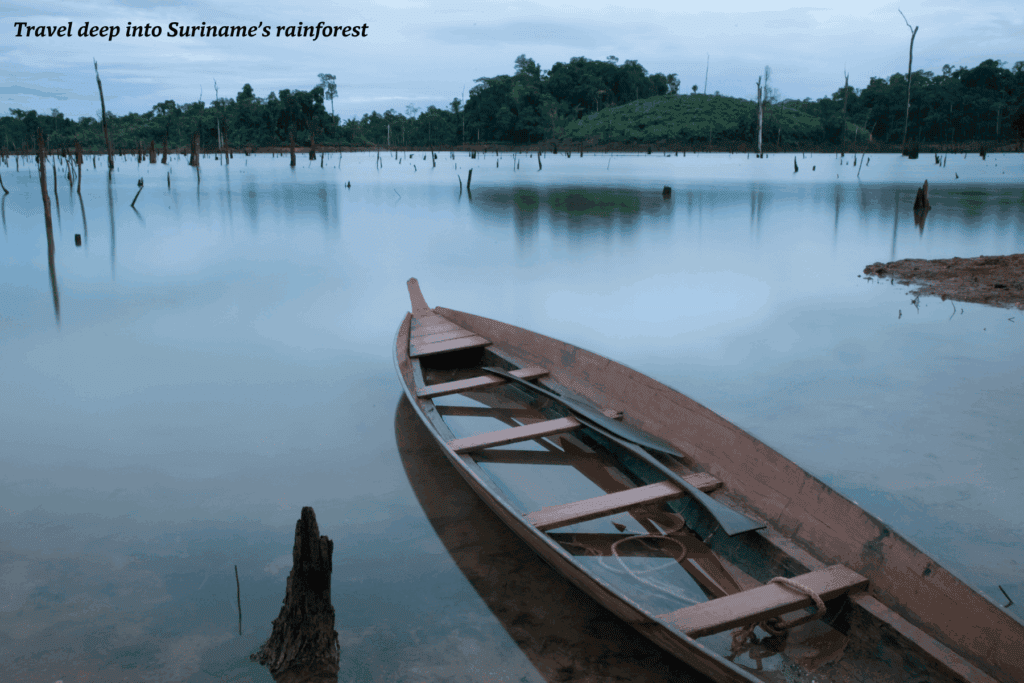
Suriname’s interior: venture into untouched wilderness
Suriname is a strange little place. Geographically, it forms part of South America, but politically it looks more towards the Caribbean, or even to the Netherlands, than to the rest of South America.
Indeed, as the only Dutch-speaking country on the American mainland, supporting an ethnically diverse population of predominantly West African, Indonesian and Asian descent, Suriname is emphatically not Latin American in character, nor does it seem to sway to a calypso beat. It is just, well, odd – a real one-off kind of place, individualistic, singular and utterly intriguing.
Perhaps its greatest attraction is the immense tract of pristine rainforest that swathes the interior. This vast, northern extension of the Amazon jungle is home to an untold wealth of wildlife, ranging from secretive, solitary jaguars to inquisitive and sociable squirrel monkeys, from the outsized psychedelic macaws that screech overhead to the iridescent Morpho butterflies that flutter beguilingly along the forest trails.
This immense tract of rainforest protected within Brokopondo, Sipaliwini and Para accounts for more than 85% of Suriname’s surface area yet supports fewer than 60,000 people, not even 10% of the national population. One of the world’s greatest remaining wildernesses, this is an undeniably exciting area to explore, traversed by only two roads of significance: a surfaced strip heading north to Afobaka Dam and Atjoni, and the rougher dirt road running west from Zanderij to Apoera.
Seliba is a solid choice for nervous jungle novices, Kabalebo is especially well suited to wildlife enthusiasts and birders with deep wallets and high expectations of service and comfort, and Palumeu is for well-heeled travellers with a strong interest in indigenous cultures. More adventurously, Boven Coesewijne is the place for keen canoers, Central Suriname or Fredberg are for fit and flexible travellers seeking a packaged riverine adventure, and Brownsberg has something for everyone, as do the fascinating Maroon villages of the Upper Suriname.
Wherever you go, there will be forests, monkeys, parrots and toucans, there will be a river, some rapids or waterfalls, boats of one form or another, and endless opportunities to fish and swim.
- Recommended reading: is Suriname worth visiting?
How to explore Suriname’s interior
All international flights to Suriname land at Johan Adolf Pengel International Airport, which lies 45km south of Paramaribo in the small junction town of Zanderij.
Independent travel to (and within) the interior is at best challenging and at worst impossible. This means that most visitors experience the region by joining one or two organised round trips from Paramaribo to specific destinations.
On arrival, much of the region is most easily explored by boat, with the Upper Suriname and Coppename rivers in particular forming wide rapid-strewn aquatic ‘boat highways’ navigable deep into the interior. Other places, such as Palumeu and Kabalebo, are strictly fly-in only.
Suriname can be visited at any time of year. Being close to the Equator, temperatures are not strongly seasonal, with daily averages in Paramaribo ranging around 27–29°C throughout the year. The low-key nature of tourism means that seasonal overcrowding is not really a concern either. In most respects, however, the best time to visit Suriname is during the ‘small dry season’ of February to mid-April and the ‘big dry season’ of August to November, and the worst time is during the wettest months of May to August, when the interior in particular is prone to flooding and the already limited road network becomes even more so.
Find out more in our guide to Suriname.
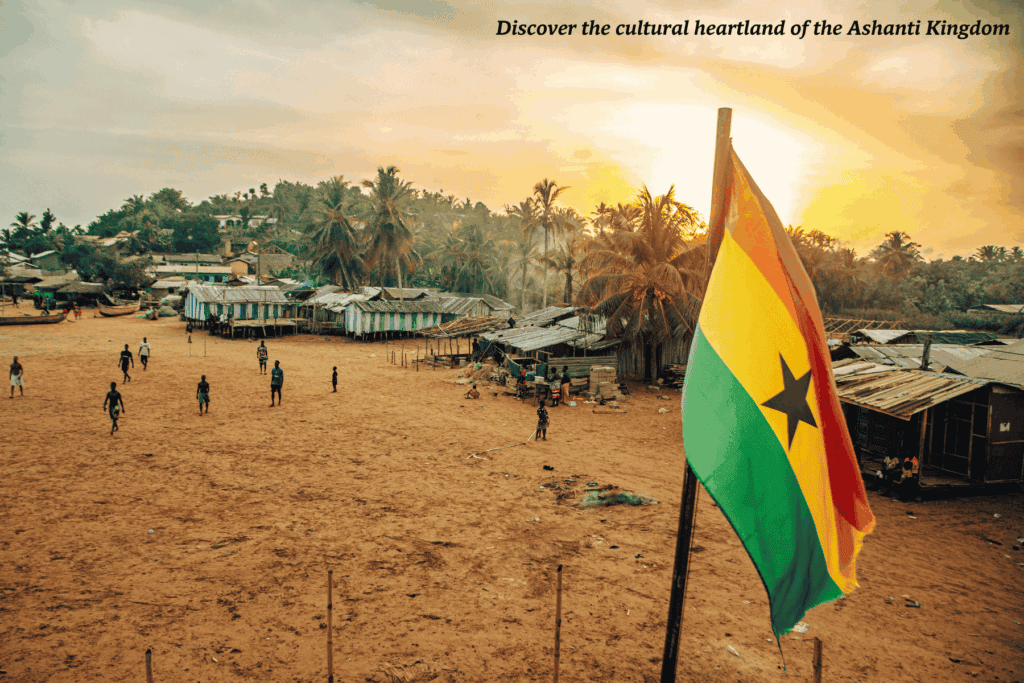
The Ashanti region: experience Ghana’s vibrant ancestral legacy
Ghana is often referred to as ‘Africa for beginners’. Not only does this amiable and largely hassle-free country form an obvious entry-level destination for newbie independent travellers, but it also boasts a remarkably varied set of attractions within an unusually compact travel circuit.
A great place to start is the Ashanti Region, namely Kumasi, which has served as the royal capital of the Ashanti Kingdom for over three centuries. This is the largest settlement in the Ghanaian interior and one of the most hectic cities you’ll encounter anywhere in Africa. Surging throngs of humanity, bustling markets and constant traffic jams emanate in every direction, creating an emphatically modern mood that can be positively exhilarating to newcomers.
The lush countryside within a 50km radius of Kumasi is arguably the core of the region, comprising as it does the six states that combined forces in the late 17th century under the Golden Stool. Here, you’ll find endless opportunities for unique, unstructured travel, thanks to a mix of cultural and natural attractions ranging from 19th-century fetish houses to pedestrian-friendly forest reserves.
Northeast of Kumasi, four traditional craft villages offer fascinating insight into Ashanti artistic heritage. In Bonwire, brightly coloured kente cloth is woven on wooden looms using techniques passed down through generations, while Adanwomase provides a quieter setting in which to observe master weavers at work.
Nature lovers, meanwhile, can escape the bustle of the city at Owabi Wildlife Sanctuary, a tranquil patch of protected forest and wetland where monkeys, butterflies and prolific birdlife thrive around the Owabi Reservoir. Further south, the shimmering waters of Lake Bosomtwe fill an ancient meteorite crater encircled by forested hills and fishing villages.
Whether you spend your time hiking lakeside trails, paddling a canoe or simply watching daily life unfold along the shore, Ashanti is one of West Africa’s most rewarding regions for travellers seeking a blend of history, culture and natural beauty.
How to explore Ashanti
Among the better-connected countries in West Africa, the capital city of Accra is served by direct flights from numerous European, North American and African hubs.
Travellers generally explore the Ashanti region using Kumasi as a base, and the regional capital is certainly far better equipped than anywhere else in Ashanti when it comes to hotels and restaurants. For those who prefer to get away from tourist hubs, however, small towns such as Mampong or Ejisu could also serve as a base for exploring Ashanti.
With the exception of Owabi and to a lesser extent Bosomtwe, you can travel between most of the places in Ashanti without returning to Kumasi, making use of the small trotros and shared taxis that connect just about any two villages in the area. Alternatively, if you have time restrictionsor do not have the patience for public transport, you can arrange a taxi for the day out of Kumasi – expect to pay around US$30 for about 6 hours of driving around.
In most respects, the best time to visit Ghana is during the northern hemisphere winter. The months of October through to April are not significantly hotter or cooler than other times of the year, but they are a great deal more comfortable since humidity levels are lower.
Find out more in our guide to Ghana.
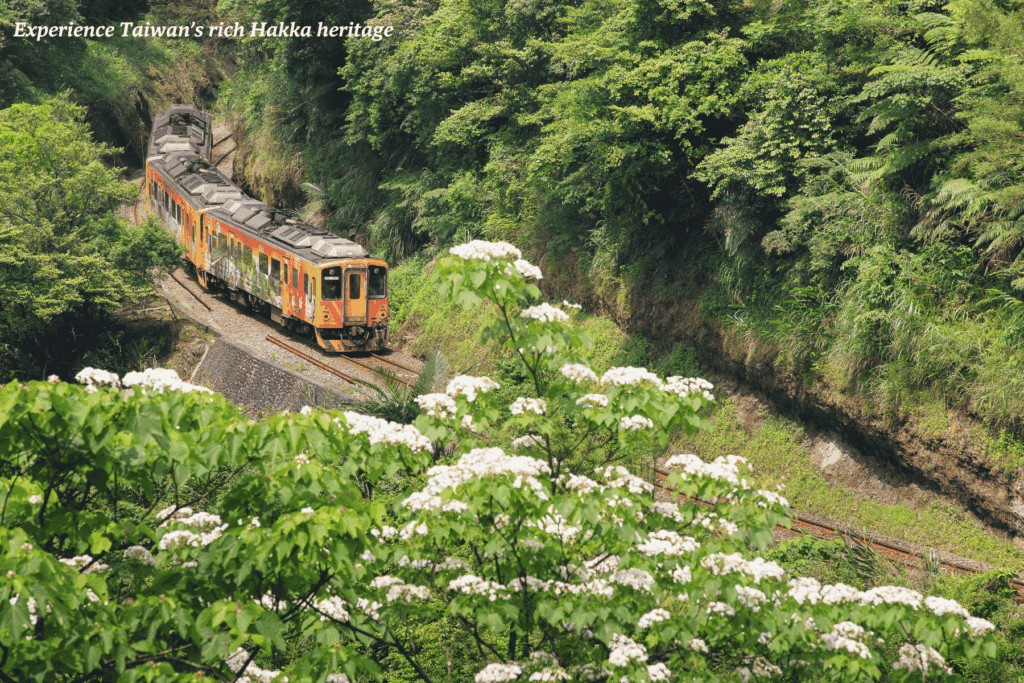
Taiwanese Hakka Country: discover a unique heritage landscape
When most people think of Taiwan, their minds turn to bustling night markets, soaring skyscrapers and the iconic neon glow of East Asia’s great urban centres.
There is certainly much to be said for spending time in places such as Taipei and Taichung. Both rank among Asia’s most distinctive and exciting cities. Yet travellers would be remiss to focus solely on these cosmopolitan hubs.
The northwestern counties of Hsinchu and Miaoli form Taiwan’s Hakka heartland.
The Hakka are Han Chinese. Their origins are unclear, but it’s believed they emerged as a distinct sub-ethnic group, speaking their own language and following a unique set of customs. Hakka started arriving in Taiwan in the early 18th century and are a majority in the hilly region between Zhongli and the Dajia River, and in a few towns in the south, notably Meinong.
These days you won’t hear the Hakka language spoken very much in Hsinchu City, a prosperous place whose historic side isn’t well known. However, if you venture into the hilly townships that characterise this part of Taiwan, you’ll have plenty of chances to meet Hakka people who still use their mother tongue on a daily basis and whose lives, like those of their grandparents, revolve around extended families, farming, the local temple and traditional festivals like the annual celebration of the Yimin militiamen’s bravery.
Beipu, once a fortified frontier town, is popular now for its quaintness. Sanyi has become a renowned woodcarving centre, while Nanzhuang offers an appealing blend of Hakka and indigenous cultures and natural attractions. Indigenous communities cling to their way of life in the eastern third of the region; their villages are rewarding but somewhat difficult places to visit.
Whether you’re sampling lei cha in Beipu, browsing the woodcarving workshops of Sanyi or hiking the forested hills around Nanzhuang, Hakka Country offers a rewarding glimpse into a quieter, more culturally distinctive side of Taiwan.
How to explore Hakka Country
The bulk of scheduled international flights land at Taiwan Taoyuan International Airport near Taipei or Kaohsiung International Airport, the former handling all long-haul flights.
Public transport in Taiwan is safe, inexpensive, reliable and comfortable. When taking any kind of bus or train, don’t lose your ticket, as you’ll need to show it – or run it through a machine – at your destination.
The government-owned conventional railway network forms a loop around the island. Just south of Hsinchu, the Keelung–Kaohsiung railroad splits, with the Mountain Line taking you inland via Hakka Country’s Miaoli. You can also travel on Taiwan’s high-speed railway but be aware that many services skip Miaoli, so you’ll need to check the stops on your specific train before you travel.
October to March is the best period to visit because temperatures are comfortable and there’s little chance of getting caught in a downpour. That said, it can get downright frigid in the mountains. Because of landslides, mountain areas are occasionally inaccessible during the wet season.
For those who can handle the temperatures Taiwan’s summers are wonderfully vivid: the skies are blue, the rivers are full and mountain peaks are clearly visible from the lowlands, and butterflies and flowers are abundant.
Find out more in our guide to Taiwan.
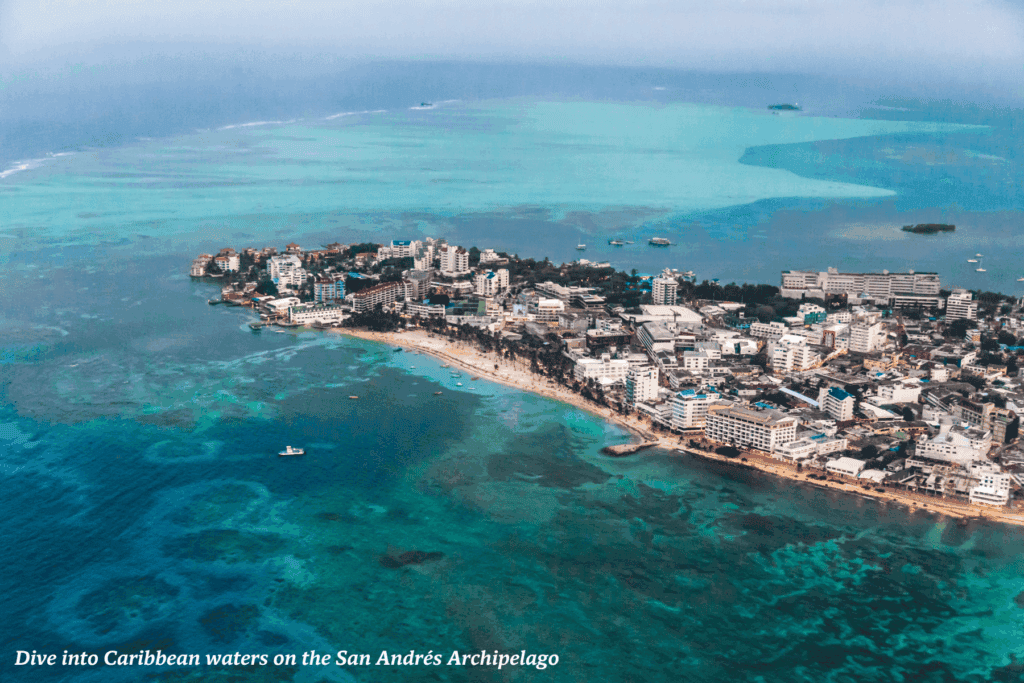
San Andrés Archipelago: escape to Colombia’s Caribbean paradise
The tiny Caribbean islands of San Andrés, Providencia and Santa Catalina might be hard to find on a map, but they offer some of the best beaches in Colombia, the chance to dive in the third-largest barrier reef in the Americas, and a laid-back English-Creole culture that you won’t find anywhere else on the mainland.
Located 770km northeast of the Colombian mainland, and protected within the UNESCO Seaflower Biosphere Reserve, the archipelago has something for everyone.
Popular with tourists seeking sun, sea and shopping, the main island of San Andrés has enough in the way of undersea experiences, nature trails and attractions for a few days of fun adventures. The real treasure, however, is to be found in isolated Providencia and Santa Catalina where the locals have resisted the mass-tourism tide, said no to resorts, and opted for low-impact tourism that respects their unique culture.
Life here revolves around the sea. Snorkellers can drift above crystalline waters around the tiny islets of Cayo Tres Hermanos, where coral gardens and shoals of tropical fish thrive beneath the surface. The protected mangrove swamps of Parque Nacional Natural Old Providence McBean Lagoon are best explored by kayak or boat, offering opportunities to spot seabirds and gain a deeper appreciation of the ecosystems that sustain the islands.
Elsewhere, winding roads lead to secluded coves and viewpoints overlooking what locals call the ‘Sea of Seven Colours’. Or you can simply do very little at all: stretch out on near-empty beaches of powder-soft white sand, shaded by coconut palms, and lapped by languid turquoise waves.
It is one of the few places in the world where ‘idyllic’ feels less like an overused travel cliché than an understatement.
- Recommended reading: the best places to travel in Latin America
How to explore the San Andrés Archipelago
Direct flights to San André are available from Bogotá, Cartagena, Medellín and Cali with Avianca, LATAM, JetSmart, Satena and Wingo. You can then fly from San Andrés to Providencia’s tiny El Embrujo Airport.
To enter the archipelago you must have a Tarjeta de Turismo, which costs COP137,000 and must be filled in and paid for before boarding your flight to San Andrés; keep the carbon copy to show on departure from the islands.
Once on the islands, local buses are the cheapest and most convenient way to get around, or you can hire a bicycle or motorised golf buggy to explore at your own pace.
May and June are the driest months to visit, but light tropical showers aren’t uncommon year-round. Heavy downpours from September to December generally come and go within an hour but can last all day. In the rainy season, flights and catamaran transport between San Andrés and Providencia can be cancelled, sometimes for several days, and this should be factored in to avoid missing onward connections.
Find out more in our guide to Colombia.
More information
For more on these unique places to visit around the world, see our selection of great value, in-depth guides: