
How to spend a weekend in Málaga
Make the most of a weekend in Málaga with our expert tips on what to see, where to eat and how to make the most of the city in 48 hours.
A weekend in Málaga: what you need to know
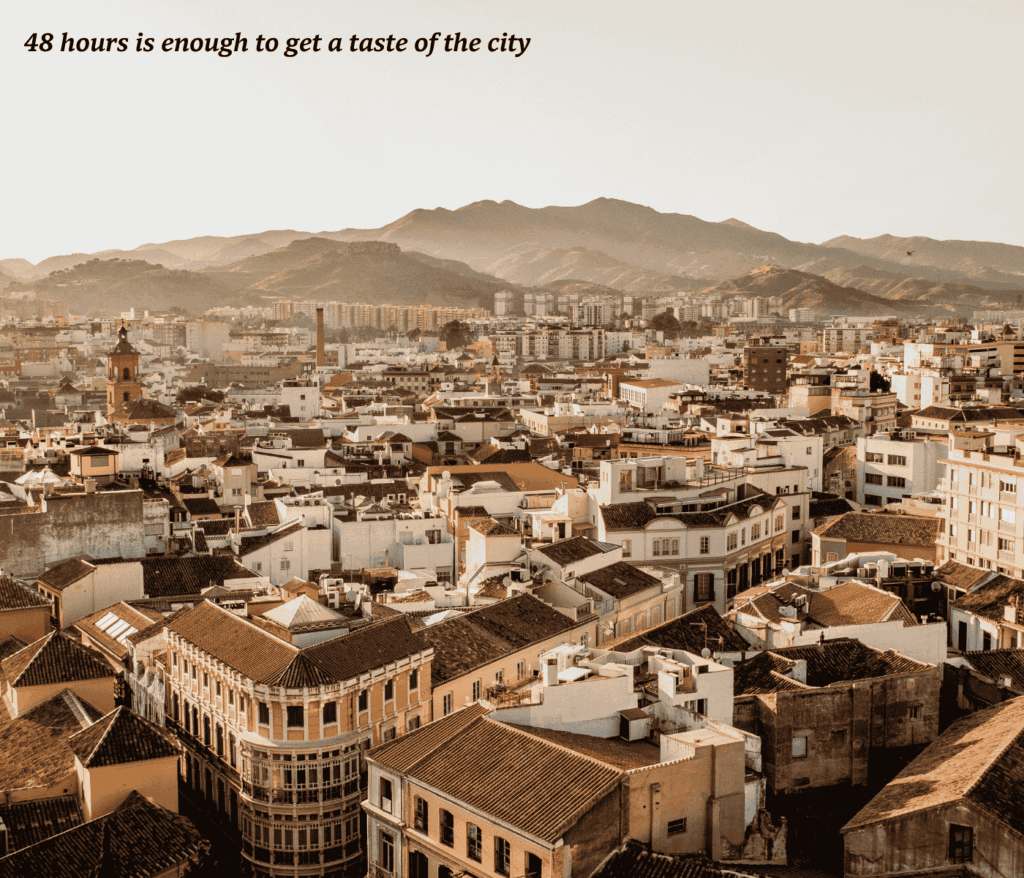
Málaga has undergone a remarkable transformation in recent decades, emerging as one of Spain’s most appealing short-break destinations.
While many travellers once rushed through on their way to the resorts of Costa del Sol, Andalucía’s second-largest city now attracts visitors in its own right thanks to its superb museums, excellent restaurants, attractive waterfront and wealth of historic landmarks.
The good news is that many of Malaga’s highlights are concentrated within a compact, walkable centre, making it easy to experience a surprising amount in a single weekend.
This two-day itinerary will help you make the most of this lively port city.
Get our guide to Málaga
Before you dive into the article, check out the Málaga & Costa del Sol travel guide that inspired it:
How to spend a weekend in Málaga: day one
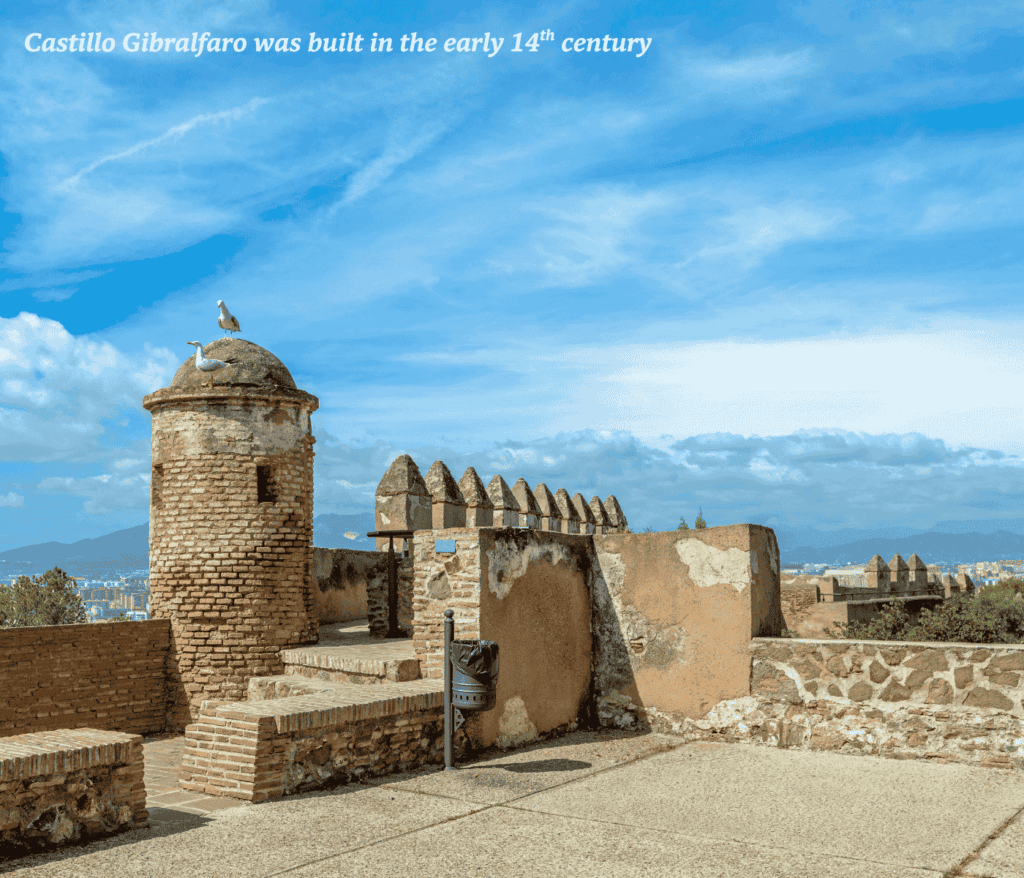
Morning: explore the Alcazaba and Castillo Gibralfaro
Construction of the Alcazaba – a former fortress and palace – began in the 700s, but most of the structure dates from the mid-11th century. The site was originally occupied by both the Phoenicians and the Romans and there remains a considerable amount of Roman masonry in the walls.
Today, it consists of a series of terraced, fortified walls and fine gateways, laid out with gardens and running water in typical Moorish style. There’s an archaeological display of pottery and other finds. From the terraces of the main palace building there are fine views over the port and the city.
The Castillo Gibralfaro, literally ‘Lighthouse Hill’, is a ruined Moorish castle built by Yusef I of Granada in the early 14th century. It is linked to the Alcazaba below by parallel walls. Visitors can walk along its ramparts, explore the remains of the fortress, and learn about Málaga’s military history in the small on-site interpretation centre. The castle’s elevated position also offers some of the finest views in the city, with sweeping panoramas across Málaga’s rooftops, the port and the Mediterranean beyond.
When you’re done with sightseeing, it’s a short 10-minute walk to the famed Mercado Central de Atarazana, a huge food market serving up delicious, local fare at affordable prices. It’s the perfect place to stop for lunch and get acquainted with Andalucian cuisine.
Afternoon: soak up the atmosphere at the Catedral de Málaga
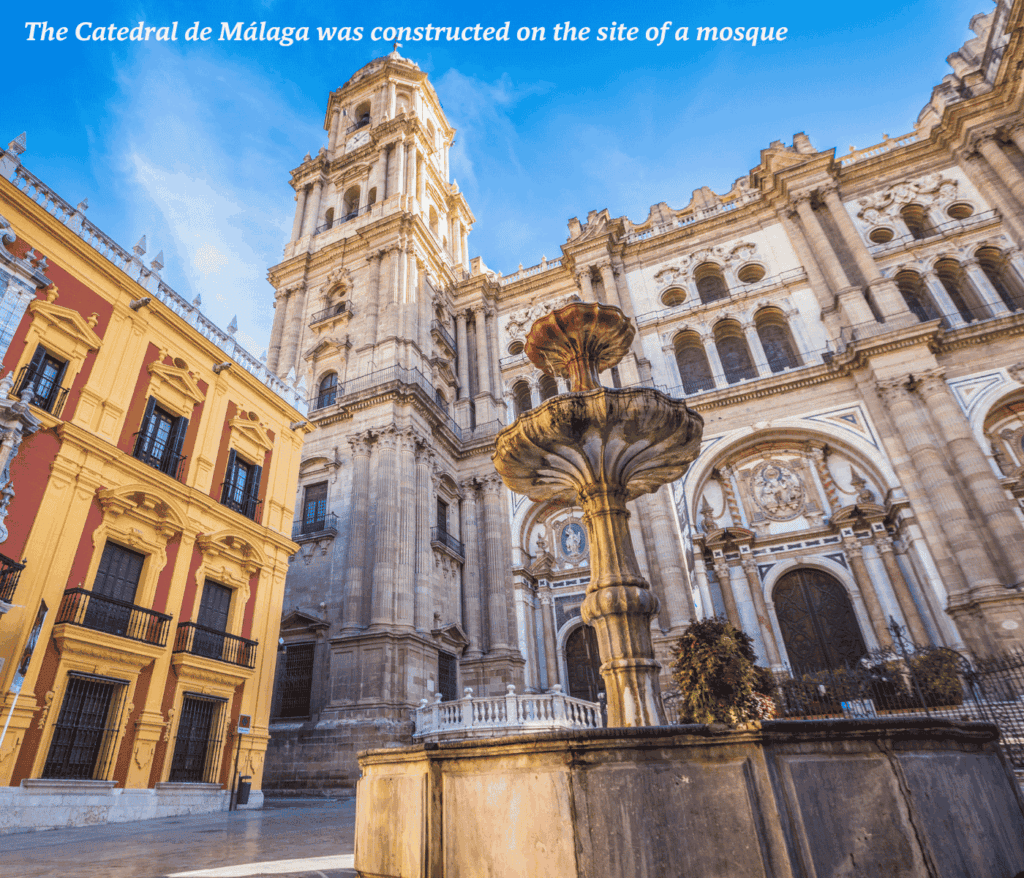
Málaga’s cathedral, as with many others in Andalucía, was built on the site of a mosque and dates from the 16th century, with numerous modifications at later dates. One of its two towers was never completed, giving it a lopsided appearance, leading to the nickname of La Manquita, or the one-armed lady.
The interior is both Gothic and Renaissance, while the exterior is typical 18th-century Baroque, aside from a particularly fine Gothic doorway in Plateresque style that dates from the early 16th century.
The highlight of the interior is, without doubt, the choir. Behind the stalls are some superb carvings of saints, 42 of which are attributed to Pedro de Mena around 1662. Rearing above the choir stalls are two 18th-century organs. The north entrance, the Portal of the Chains, which is usually closed except for Semana Santa processions, is surrounded by a fine screen, carved in mahogany and cedar by Francisco Flores in 1772.
The admission fee to the cathedral also includes entry to the run-down museo near the entrance door, which contains the usual vestments and silver.
Early evening: unwind by the waterfront
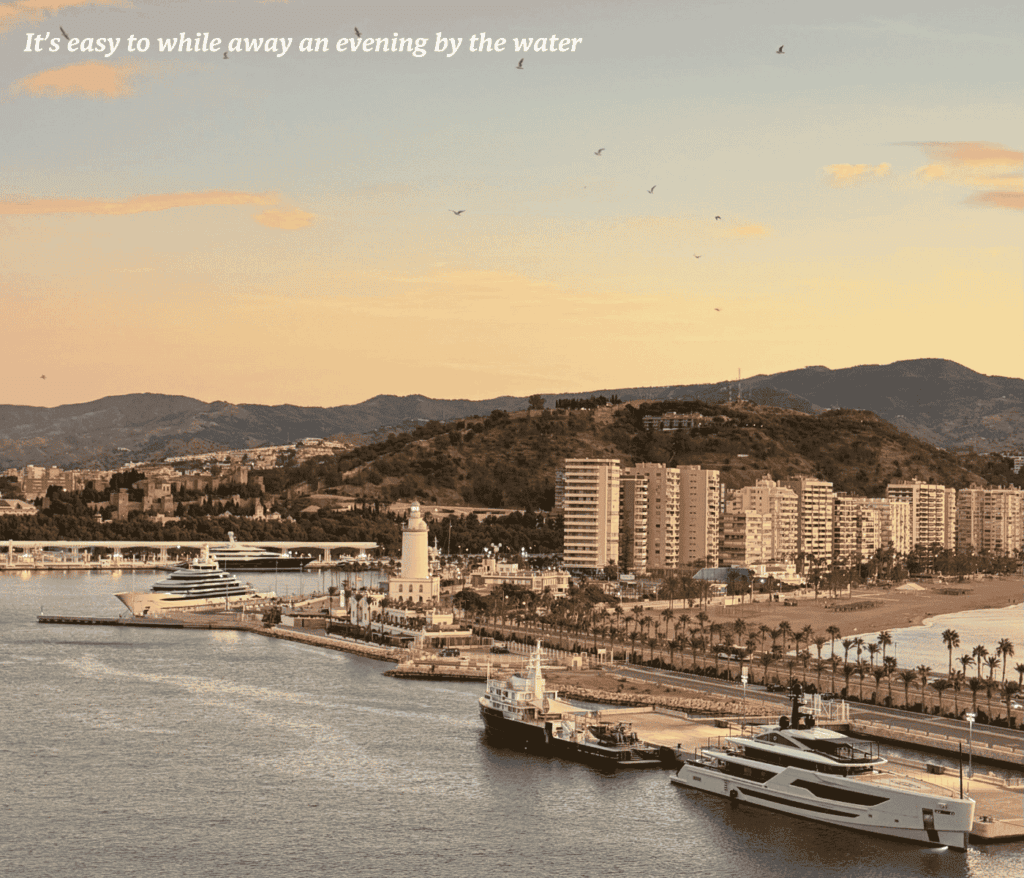
The tree-lined Paseo del Parque is a delightful avenue that runs parallel to the port and is a wonderful area to while away an evening.
Muelle 1 is a modern development with shops, boat trips, cycle hire and various eating options. This is where you’ll find the Centre Pompidou Málaga – which is open until 8pm Wednesday-Monday – making it the perfect museum for an early-evening visit. An offshoot of the Paris original, this unique gallery resembles a Rubik’s Cube and displays a rotating collection of modern and contemporary art.
West of here, Muelle 2’s palm-lined Palmeral de las Sorpresas promenade offers a pleasant stroll past waterfront cafés, linking the port with the city centre.
A great choice for dinner is José Carlos García. In a luminous minimalist dining room right on the waterfront promenade, this iconic institution takes traditional Andalucian ingredients and gives them a stunning gastro-molecular twist. The degustation menu is €159.50 and, on a good day, it’s worth every penny.
After dark: enjoy the city’s nightlife
In good Catholic fashion, wine is the blood of Spain.
Order a menú del día at a cheap restaurant and you’ll be unceremoniously served a cheap bottle of local red. Wine snobbery can leave by the back door at this point: it may be cold, but you’ll find it refreshing; it may be acidic, but once the olive-oil laden food arrives, you’ll be glad of it. People add water to it if they feel like it, or gaseosa (lemonade) or cola (for the party drink calimocho).
Bartenders throughout Andalucía tend to assume that tourists only want Rioja, so be sure to specify vino corriente (or vino de la zona) if you want to try the local stuff. Remember that the real vinous fame of the region comes, of course, from its fortified wines, including sherry among others.
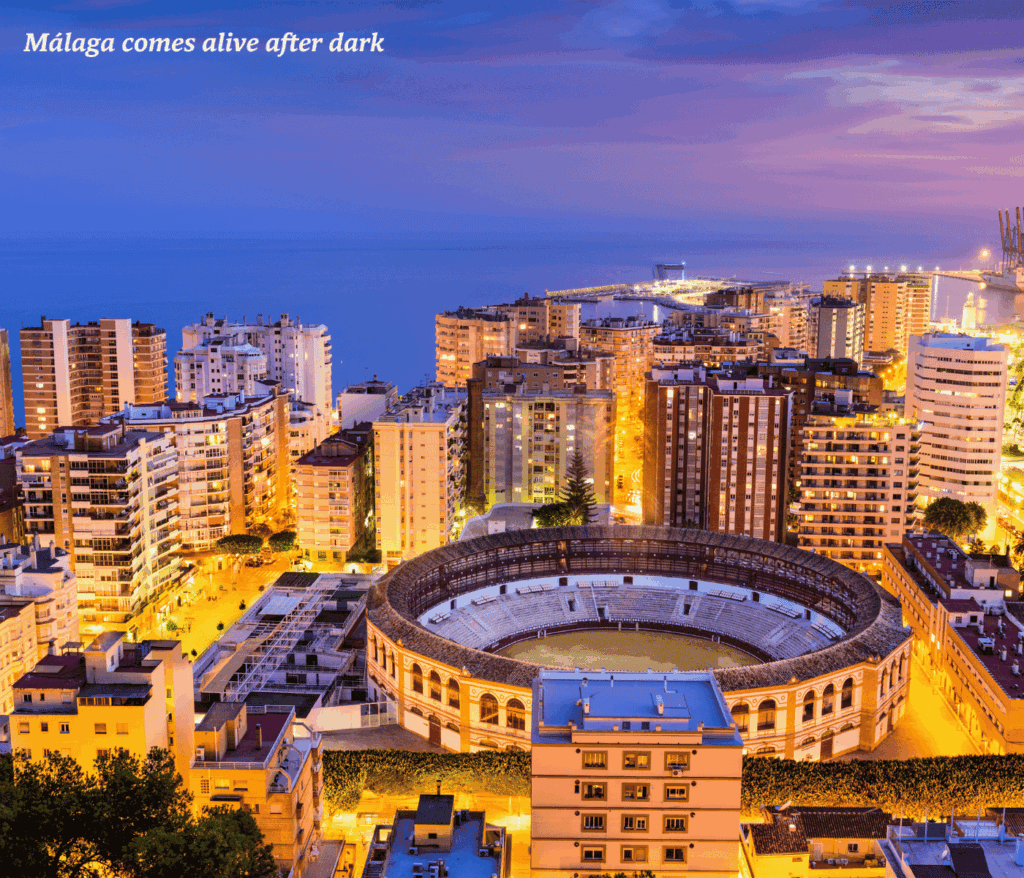
While wine is usually only consumed at meal times, the city has plenty of bars for those who’d like to keep the evening going. Puerta Oscura is one of the classiest in Málaga – a 19th-century bar-café complete with chandeliers, alcoves and classical music. It’s the best – though certainly not the cheapest – place for a late-night coffee and liqueur.
- Recommended reading: the expert guide to things to do in Seville
Day two of your Málaga weekend
Morning: visit the Museo Picasso
The Museo Picasso had a significant impact on Málaga, putting it on the map as a destination in its own right rather than as a transport hub for the Costa del Sol.
The museum is set in the beautiful Buenavista palace, and the juxtaposition of Renaissance architecture and modern painting has been artfully realised. On display are some 150 Picasso works, mostly donated by his daughter-in-law and grandson. Most phases of the artist’s trajectory are represented, from formal portraiture – Olga con Mantilla (1917) is a portrait of his first wife – to Blue Period and Cubist works, and many from the later stages of Picasso’s life.
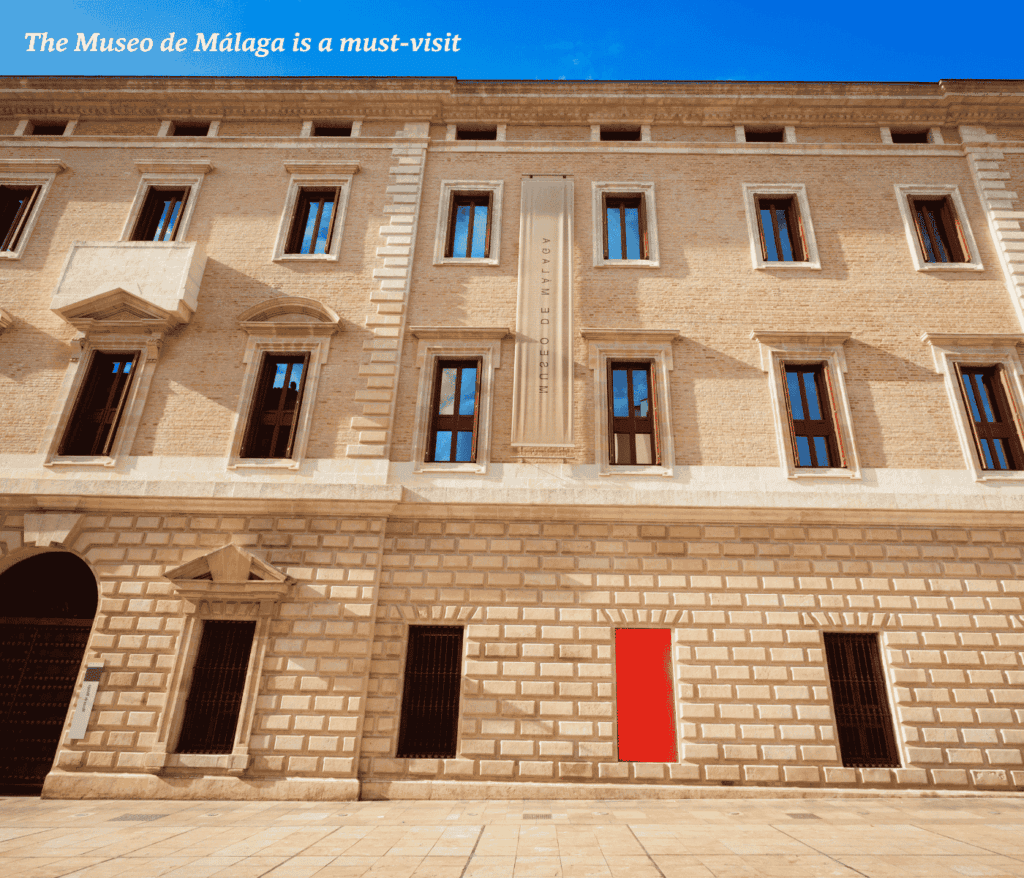
If you’re particularly interested in museums, there are several others to keep you occupied. The impressive Museo de Málaga, located in the sturdy Palacio de la Aduana near the Roman theatre, houses the largest collection of archaeological and artistic objects in the city. The collection includes pieces by the likes of Murillo, Velázquez, Goya and Zurbarán, as well as one of the largest collections of 19th-century paintings in Spain.
Elsewhere, the excellent Museo Carmen Thyssen in the centre of town holds a fascinating collection of Andalucian artists ranging from Zurbarán to Julio Romero de Torres. There’s also an interestingly wide collection of lesser-known artists whose canvases depict traditional regional life. The gallery’s focus is on the 19th century. It was a difficult century of invasions and political turbulence in Spain, but you’d have no idea of that from the romanticised depictions by the artists of the time.
Afternoon: relax on the beach
When you’ve worked up an appetite exploring the city’s many museums, stop for lunch at Bodegas El Pimpi. Situated near the Museo Picasso, this labyrinthine former wine warehouse offers atmosphere in spades, with local sweet and dry drops in barrels signed by famous folk who’ve been here. Snack on traditional Andalucian dishes and make friend with locals in the process.
While many visitors head beyond the city limits in search of a Costa del Sol beach escape, there’s no need to leave Malága to enjoy a dose of Mediterranean seaside living. The city’s waterfront is easily accessible from the historic centre, making it simple to swap galleries and cobbled streets for sun and sea in the space of a few minutes.
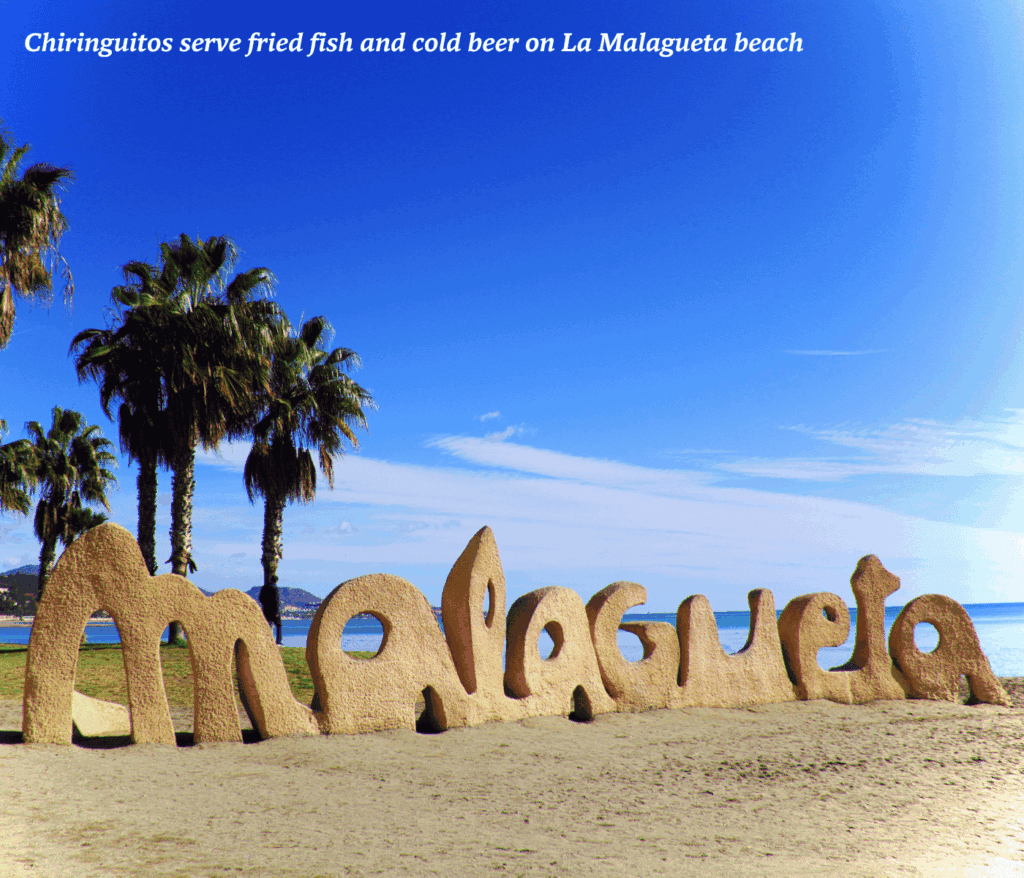
East of the port lies La Malagueta, the city’s clean, sandy beach, where chiringuitos serve fried fish and cold beer throughout the summer. Spend a few hours relaxing by the water, taking a dip in the Mediterranean or strolling along the palm-lined promenade.
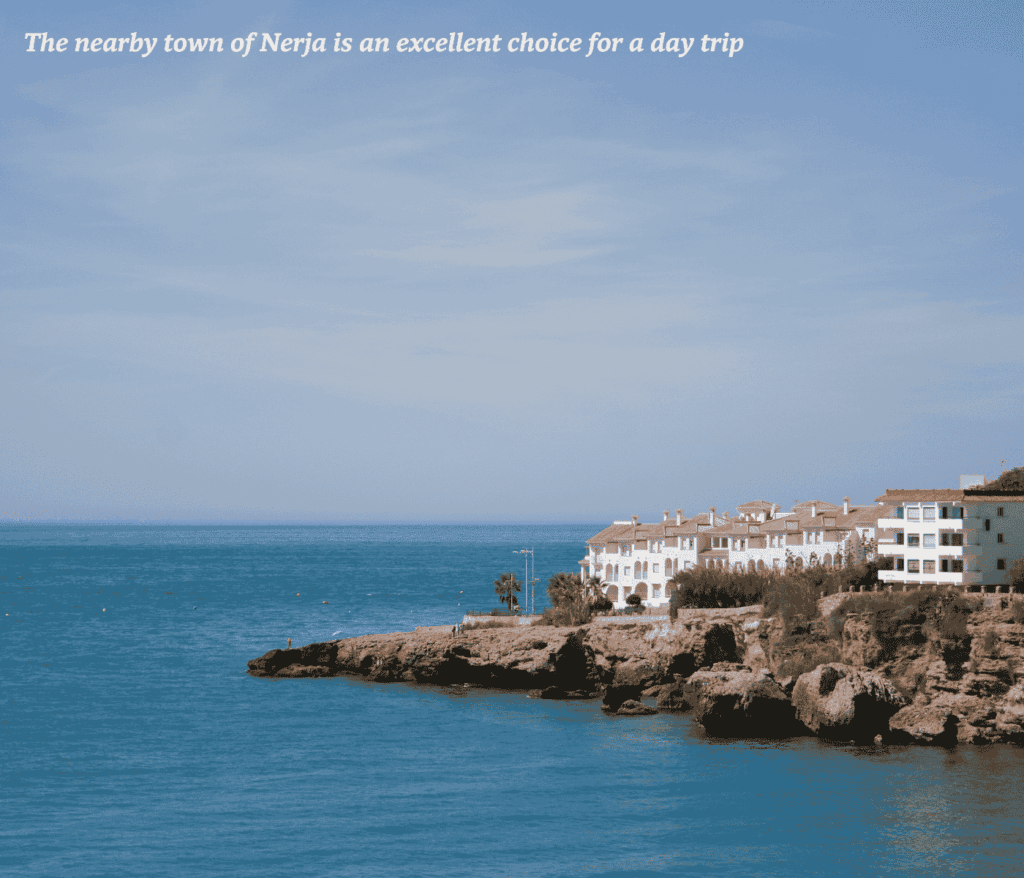
Alternatively, it’s possible to take a day trip to the nearby town of Nerja. Located some 50km east of Málaga, Nerja has retained considerable charm in its narrow, winding streets and dramatic setting despite rapid recent growth. There are sandy coves and long beaches, and the caves east of town make a unique stop on any Málaga itinerary.
Keen to explore more of Spain? Here are the best places to visit in the Basque Country and Navarre.
Optional extra: the English Cemetery
If you’re someone who can only ‘relax’ on the beach for so long, it’s worth exploring the nearby English Cemetery. This beautiful spot owes its existence to the days when infidels (i.e., non-Catholics) were buried on the beach, making gruesome reappearances courtesy of storms or hungry dogs. In the mid-18th century, a British consul persuaded the authorities to allow him to start an English cemetery.
The inscriptions on the gravestones make absorbing reading; there are graves here of many nationalities, the earlier ones covered in shells. The writer Gerald Brenan is buried here alongside his wife, the poet Gamel Woolsey. He had wanted his body to be donated to medical science, but was so well respected by the malagueños that none of the members of the anatomy faculty could bring themselves to touch him; he finally arrived here in 2000, some 14 years after his death.
Evening: sample Andalucian tapas
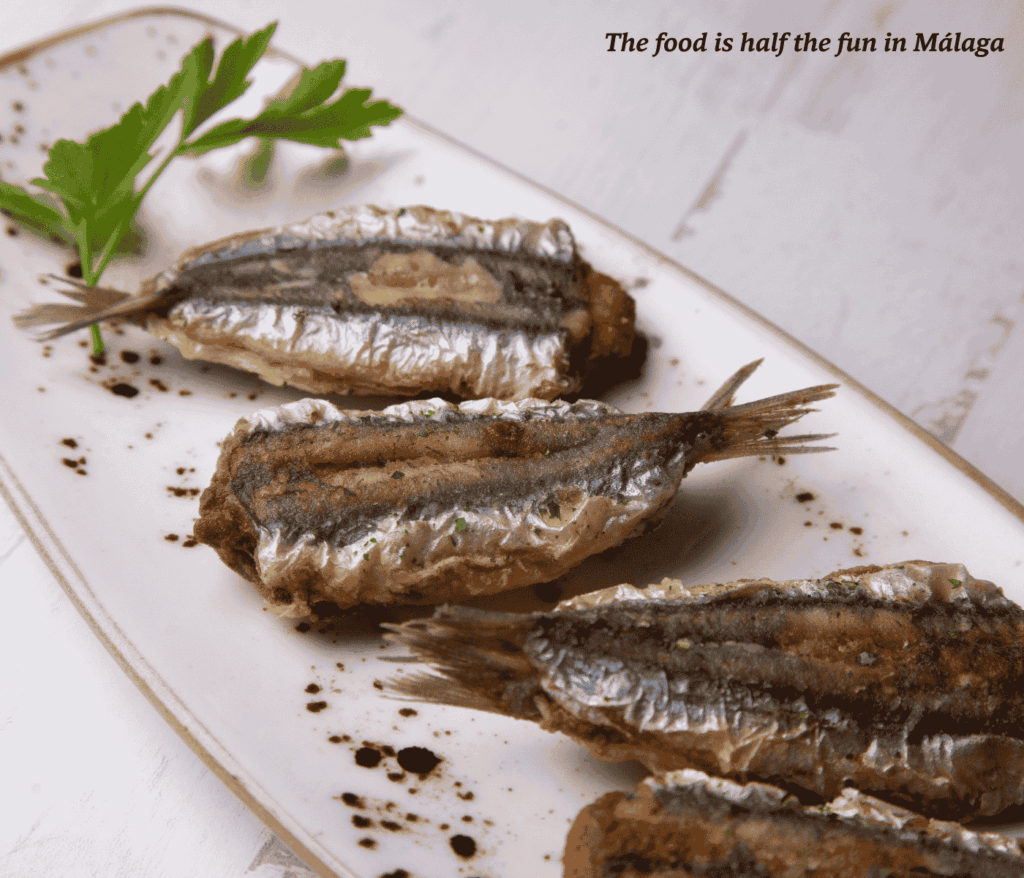
The great joy of eating out in Málaga is going for tapas, bar food, served in saucer-sized tapa portions typically costing €1.50-3. Tapas are available at lunchtime, but the classic time to eat them is in the evening.
To do tapas the Andalucian way, don’t order more than a couple at each place, taste each others’ dishes, and stand at the bar. Locals know what the specialities of each bar are; if there’s a daily special, order that.
Signature tapas dishes vary from place to place and from province to province, and part of the delight of Andalucía comes in trying regional specialities. Ubiquitous are jamón (cured ham; the best, ibérico, comes from black-footed acorn-eating pigs that roam the woods of Huelva province and Extremadura) and queso (in Andalucía, usually the hard, salty manchego from Castilla-la Mancha). Gambas (prawns) are also usually on the tapas list; the best and priciest are from Huelva.
Intimate and charming, El Tapeo de Cervantes is one of Málaga’s best tapas options. Located a couple of blocks north of Plaza de la Merced, you might have to wait for one of the few tables, but it’s worth it. Here you’ll find excellent traditional dishes backed up by some highly original creations, like homemade chicken and meat croquets served with a tangy pineapple relish.
- Recommended reading: notes from Italy’s food valley
Is a weekend in Málaga enough?
There is no denying that Málaga probably deserves more than two days of your time.
As one of southern Spain’s most vibrant cities, it offers far more than many visitors expect, from world-class museums and historic landmarks to excellent food, lively neighbourhoods and easy access to the beaches of the Costa del Sol. You could easily spend a week or longer exploring everything the city and surrounding region have to offer.
But if a weekend is all you have, don’t hesitate.
Even with only 48 hours to spare, you can still wander centuries-old streets, feast on fresh seafood, soak up the Mediterranean sunshine and experience the culture, history and energy that make Málaga one of Spain’s most rewarding city-break destinations.
And, let’s face it, who doesn’t love an excuse for a return visit?
Our guide to Málaga & Costa del Sol
For more information, see our guide to Málaga & Costa del Sol by James Taylor: