
What you need to know about travelling Central Asia
Discover everything you need to know about travelling Central Asia, with practical travel advice, essential tips and suggested itineraries for exploring the five Stans.
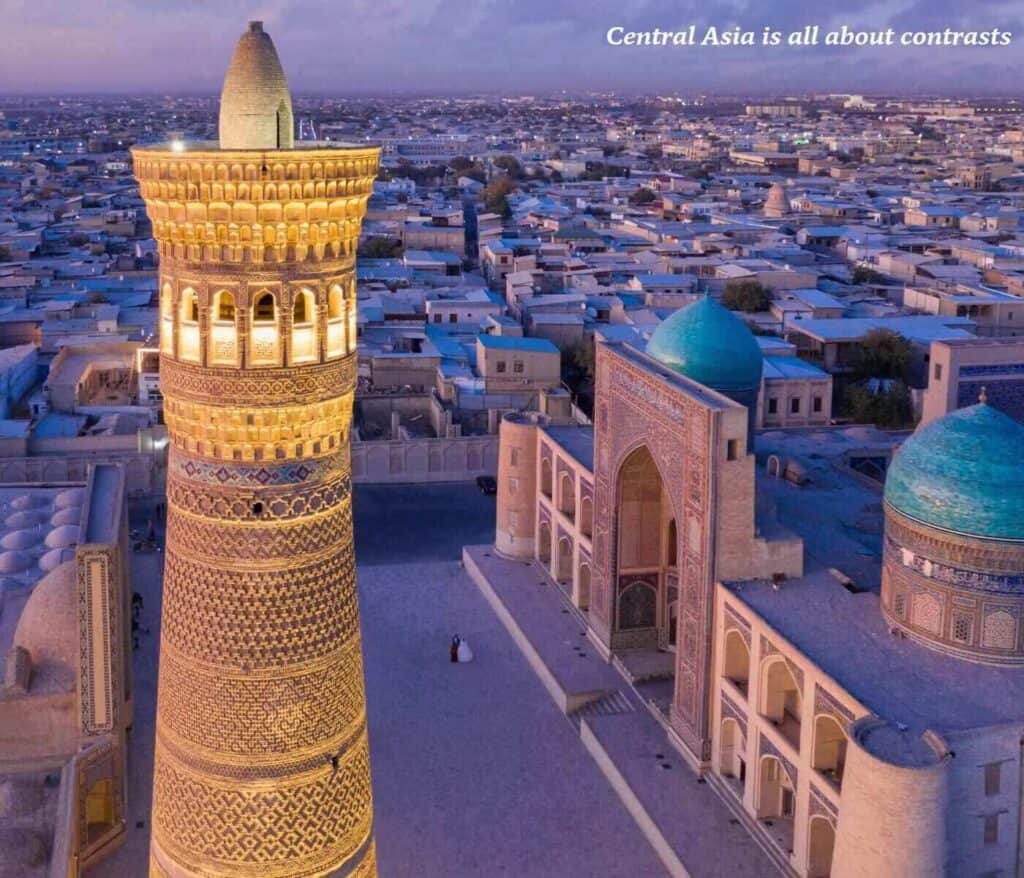
For decades, Central Asia was one of the hardest corners of the world to reach. Even after the five republics became independent in 1991, travellers faced visa queues, closed borders and limited flights.
Luckily, things have begun to change.
British passport holders can now visit three of the five without a visa, trains link the great Silk Road cities and border crossings that were shut for years have reopened.
The region rewards those who see it as a whole. In three weeks you can walk the tiled squares of Samarkand, sleep in a yurt beside a mountain lake, hike through red-rock canyons east of Almaty and wander the marble avenues of Ashgabat. Each country has its own character, and witnessing these contrasts is an important part of the experience: steppe and glaciers, desert fortresses and Soviet modernism, nomadic hospitality and bazaar bargaining – the differences are the point.
Kazakhstan, Kyrgyzstan, Tajikistan, Turkmenistan and Uzbekistan have never been easier to visit, but linking all five in one trip still takes careful planning. Here is what a five-country journey involves, when to go and why so many travellers choose a small-group tour.
Get the guides
Before you delve into the article, check out the Central Asia guides that inspired it:


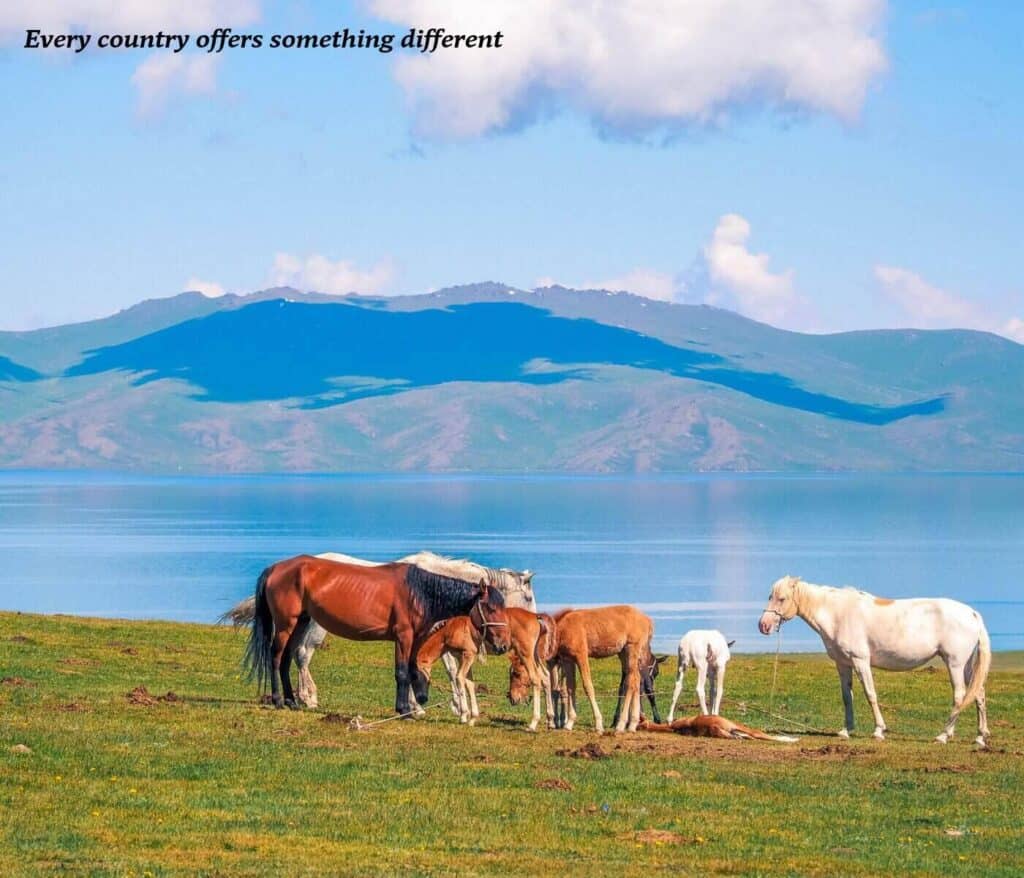
Travelling Central Asia: the five Stans itinerary
Itineraries that cover all five countries usually take between 15 days and four weeks and run either west from Almaty or east from Ashgabat.
A typical route crosses the mountains by road from Almaty to Bishkek and spends time around Lake Issyk-Kul. It then heads to Tajikistan’s Fann Mountains, enters Uzbekistan at Samarkand and ends by crossing the Karakum Desert to Ashgabat.
A three-week trip might divide up like this:
- Days 1-4, Kazakhstan: Almaty, Charyn Canyon and the Kolsai Lakes
- Days 5-8, Kyrgyzstan: Bishkek and Lake Issyk-Kul
- Days 9-11, Tajikistan: Dushanbe and the Fann Mountains
- Days 12-17, Uzbekistan: Samarkand, Bukhara and Khiva
- Days 18-21, Turkmenistan: Konye-Urgench, the Karakum Desert and Ashgabat
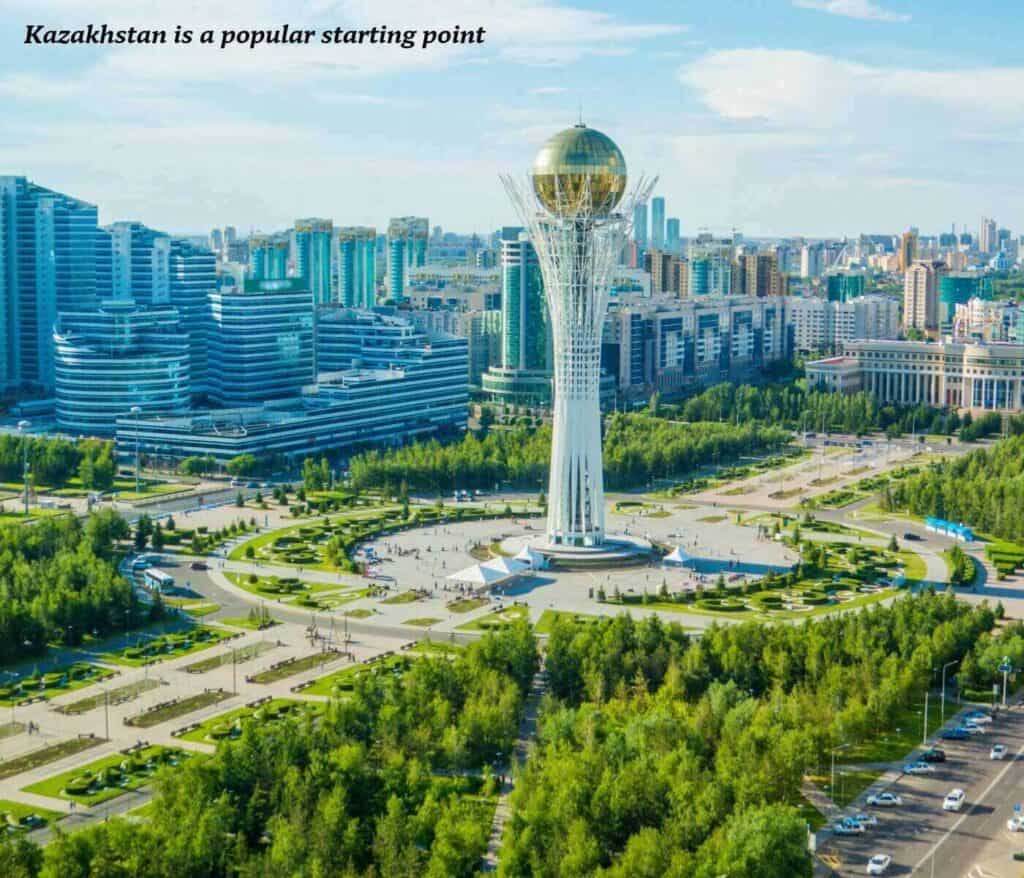
Kazakhstan
The largest of the five is often the starting point. Almaty, the leafy former capital, sits beneath the snow-capped peaks of the Trans-Ili Alatau, with Big Almaty Lake and the Medeu ice rink within easy reach.
Further east, the red rock towers of Charyn Canyon are often compared to a smaller Grand Canyon, while the Kolsai Lakes and the drowned forest of Lake Kaindy show the country’s alpine side. Discover some more interesting facts about Kazakhstan here.
Kyrgyzstan
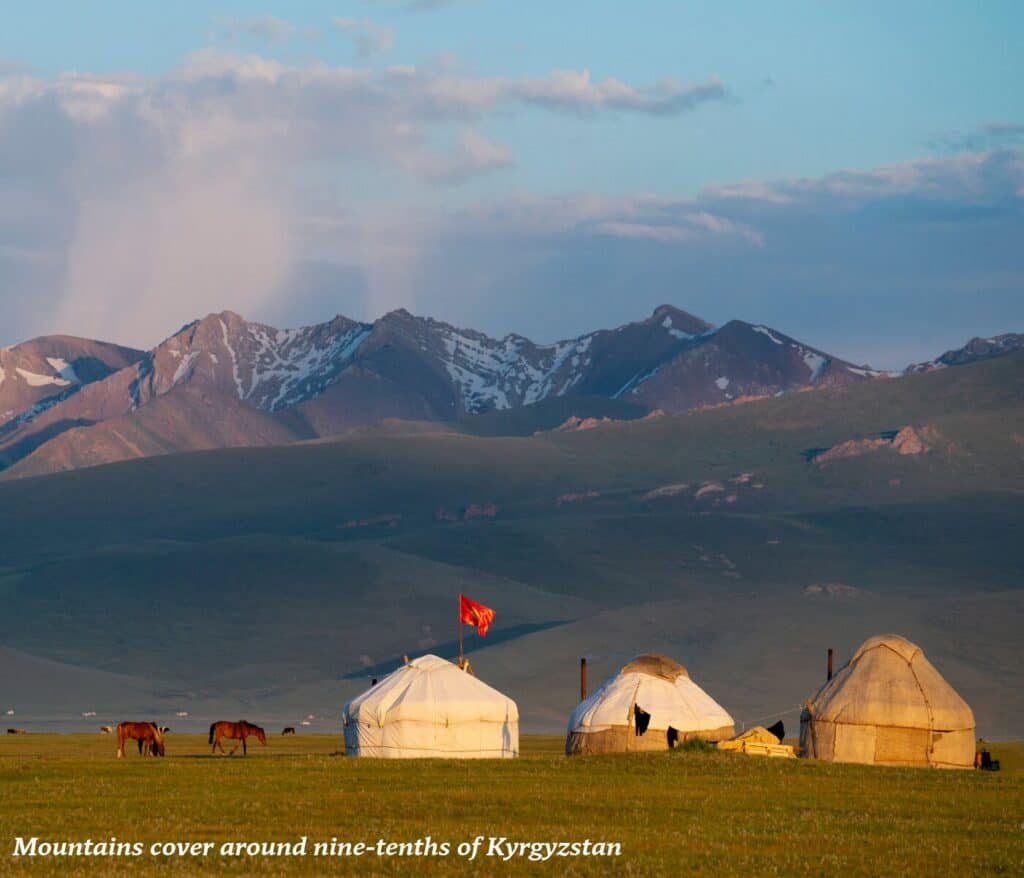
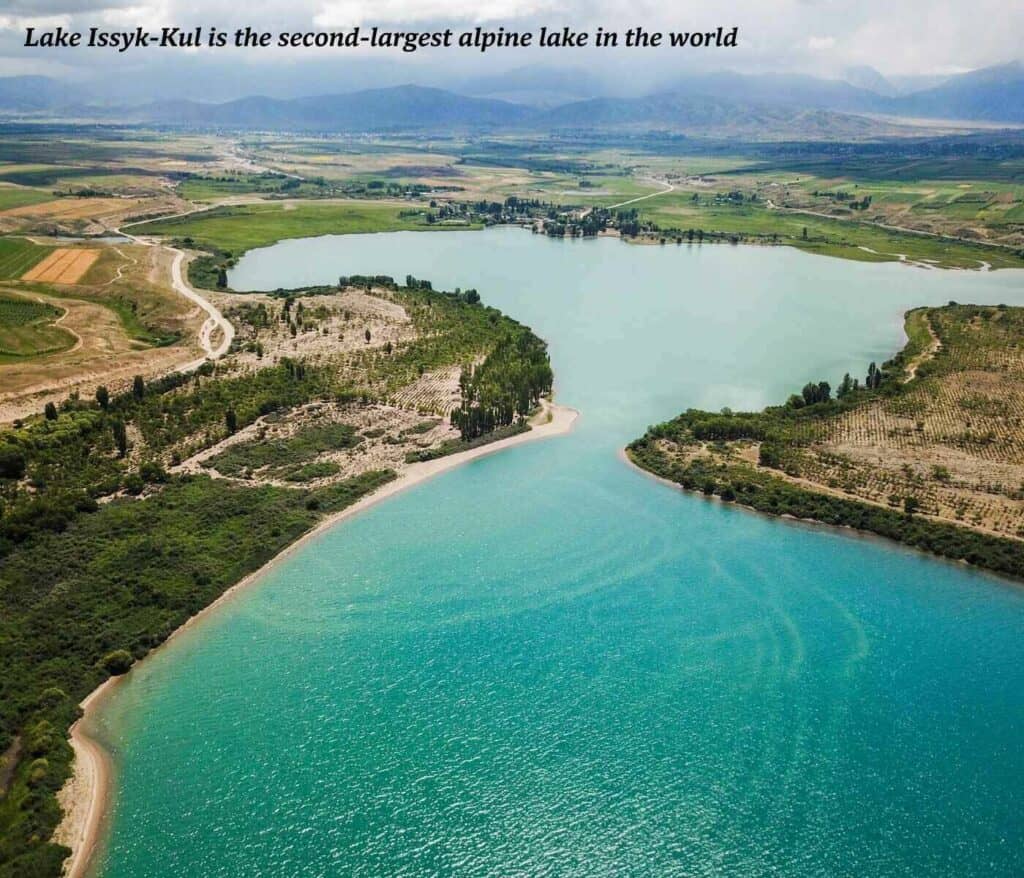
Mountains cover around nine-tenths of Kyrgyzstan, and its nomadic traditions are very much alive. Bishkek is a relaxed base, with the Ala-Archa gorge less than an hour’s drive away. Lake Issyk-Kul, a vast alpine lake that never freezes, has beaches on its north shore and wind-carved canyons such as Skazka (‘Fairy Tale’) on the south.
Karakol, at its eastern end, has a wooden Orthodox cathedral and a Dungan mosque built without nails. In summer, yurt camps on high pastures such as Song-Kul, at about 3,000m, offer horse riding, felt-making demonstrations and unforgettable night skies.
Need more inspiration? Here are the best things to do in Kyrgyzstan.
Tajikistan
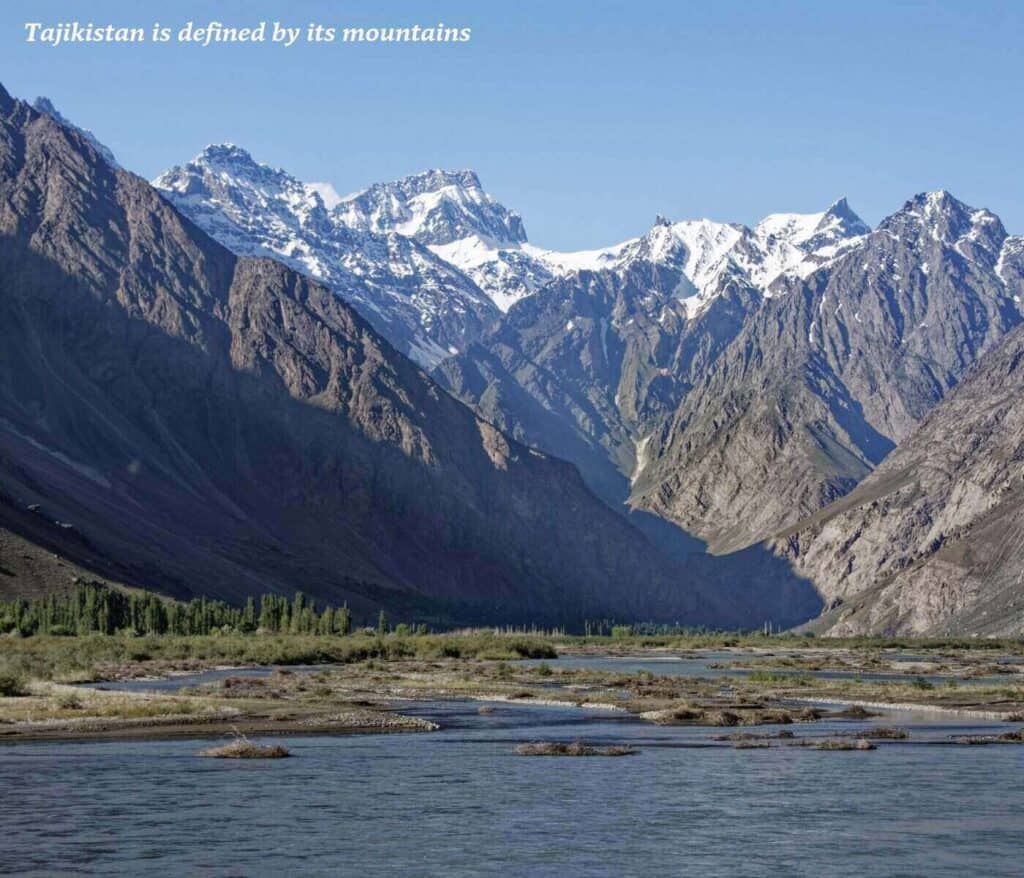
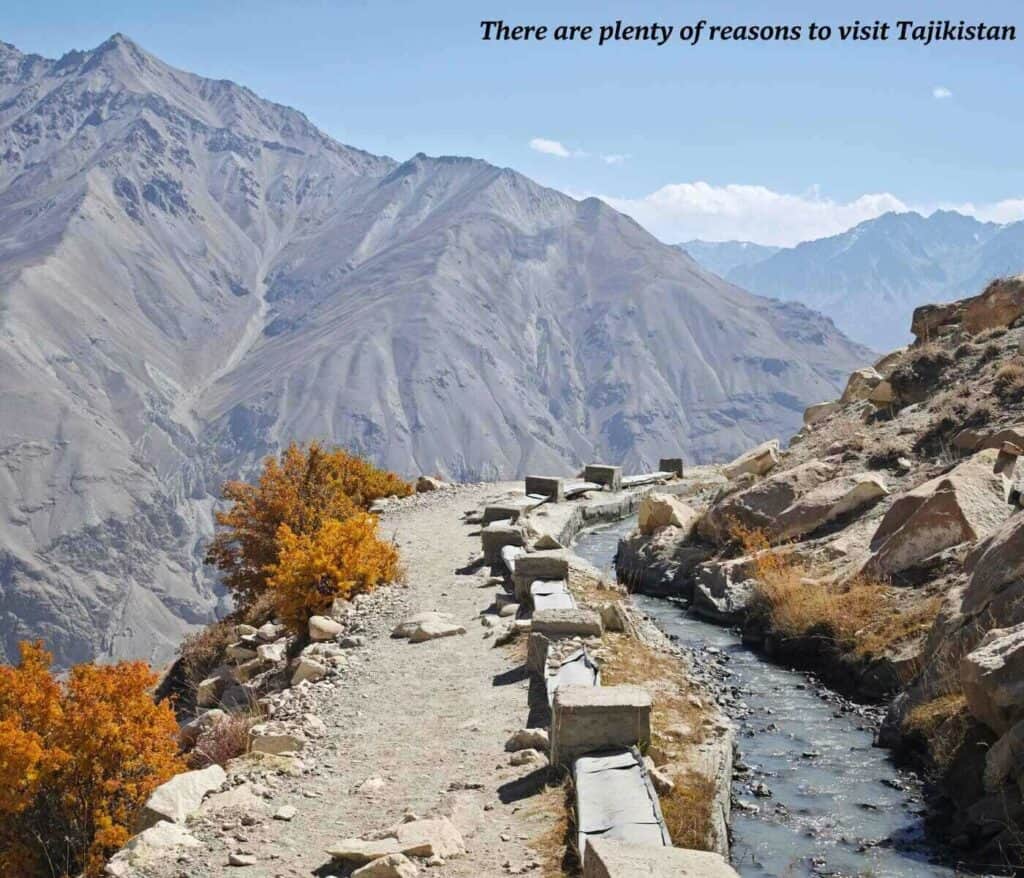
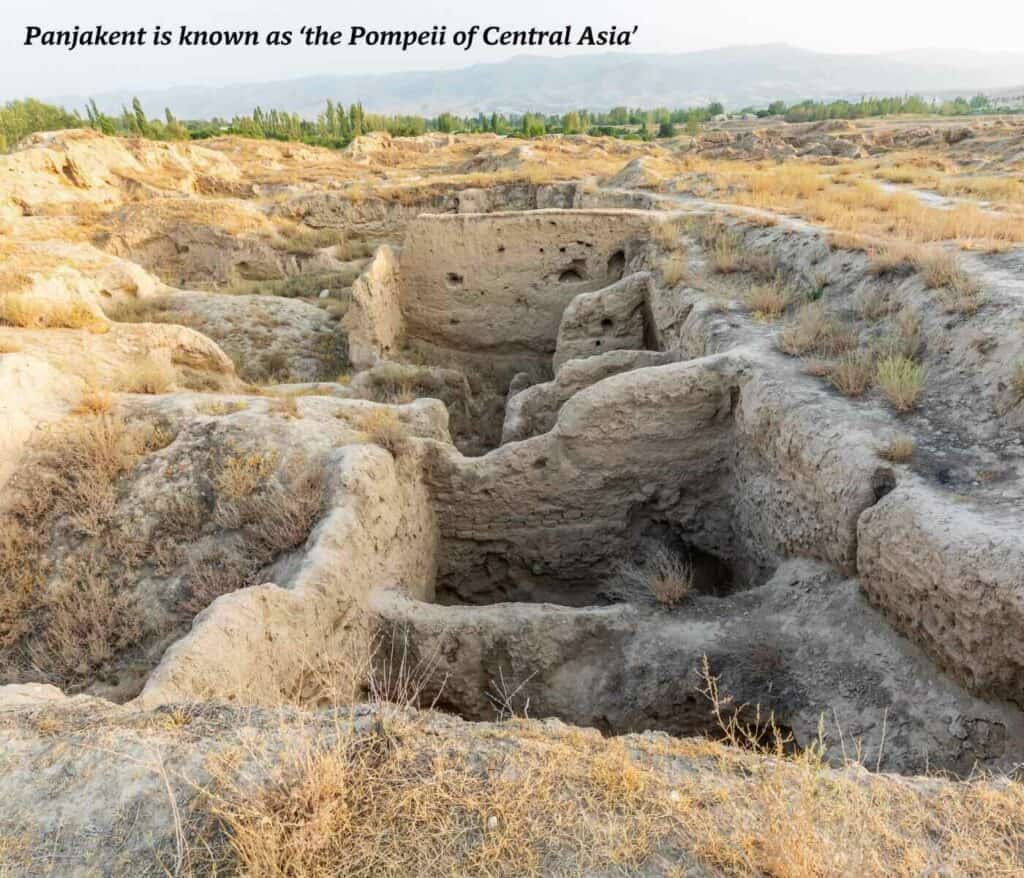
Tajikistan is defined by its mountains. Five-country itineraries usually fly into Dushanbe or cross overland from Uzbekistan near the ancient town of Penjikent, a short drive from Samarkand. Dushanbe, the capital, has wide boulevards, a lively bazaar and a fine national museum.
The Fann Mountains offer some of the region’s best walking, with the turquoise lake of Iskanderkul and the Haft Kul (‘Seven Lakes’) strung along a single valley. The Pamir Highway, one of the world’s great road trips, needs more time and a separate permit, so it is usually a journey in its own right.
- Up next: reasons to visit Tajikistan
Uzbekistan
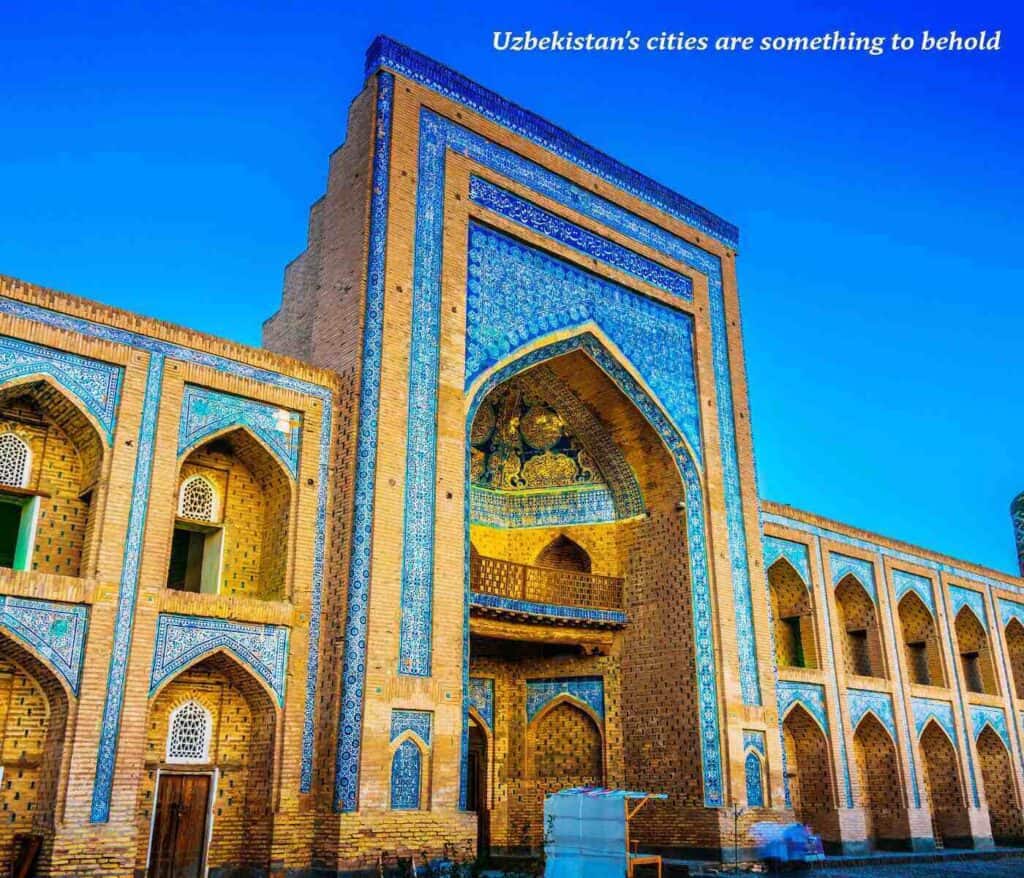
For many visitors, Uzbekistan is the heart of the trip. Its three great Silk Road cities are all UNESCO World Heritage Sites, and each has its own character. Samarkand is monumental, from the three madrasas of the Registan to the blue-domed Gur-e-Amir, the mausoleum of Timur, and the tiled tombs of the Shah-i-Zinda necropolis.
Bukhara is intimate, its old town a maze of trading domes, madrasas and the 12th-century Kalon Minaret. Khiva’s walled inner city, Itchan Kala, is so well preserved that it feels like an open-air museum. Tashkent, the capital, is worth a day for its ornate metro stations and Chorsu Bazaar.
Fast Afrosiyob trains link Tashkent with Samarkand and Bukhara, while the road to Khiva crosses the Kyzylkum Desert, so most small-group Silk Road tours combine rail and road. Uzbekistan is also the easiest of the five to visit on its own. Shorter Uzbekistan holidays of a week to ten days cover Tashkent, Samarkand, Bukhara, and Khiva, and many travellers return later to explore the rest of the region.
Here are some more tips on preparing for your trip to Uzbekistan.
Turkmenistan
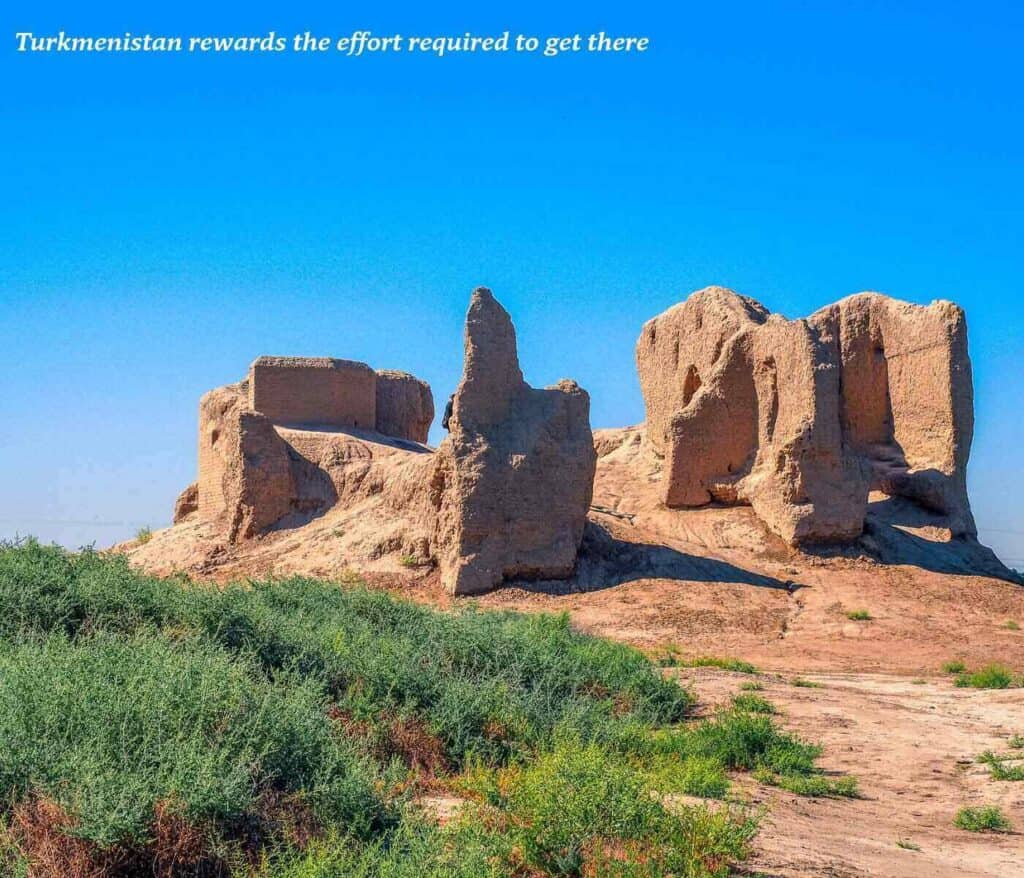
The most closed of the five rewards the effort. Ashgabat holds the Guinness World Record for the highest density of white marble-clad buildings, and its gleaming avenues feel unlike anywhere else. The ruins of Merv, once among the largest cities in the world, and the minarets and mausoleums of Konye-Urgench are both UNESCO World Heritage Sites.
Many people also camp near the Darvaza gas crater in the Karakum Desert. Its famous flames have dimmed sharply in recent years as engineers cut the gas supply, so expect a scattering of small fires rather than an inferno.
Central Asian hopsitality
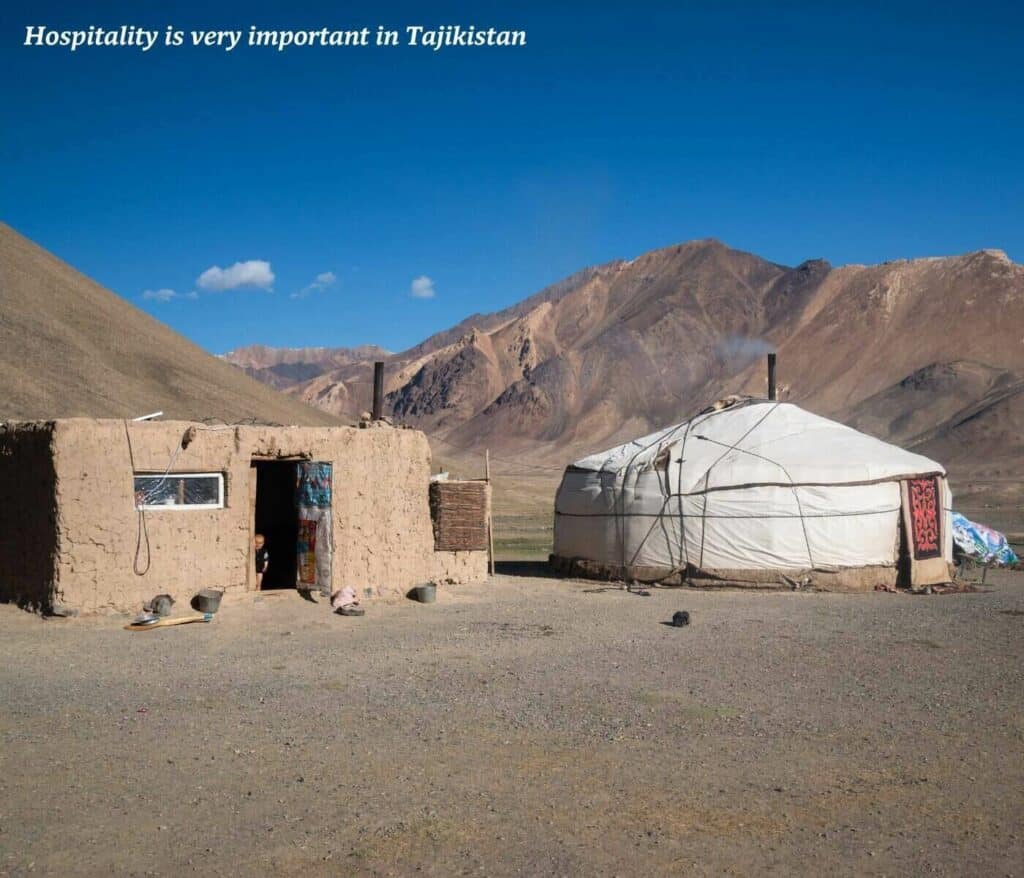
Central Asian hospitality is legendary, and turning down a second bowl of tea can be harder than crossing a border. Plov – rice cooked with lamb, carrots and spices in a vast cauldron – is the region’s signature dish, and every city claims the best version. In Kazakhstan and Kyrgyzstan, beshbarmak (boiled meat over hand-cut noodles) is the dish of celebration.
Hand-pulled laghman noodles, samsa pastries baked in clay tandoors and fresh flatbread are everyday staples. Vegetarians should plan ahead, as meat is central to the cuisine, though bazaars overflow with fruit, nuts, salads and dairy. Meals shared with families in homestays and yurt camps are often the highlight of a trip.
What to expect on the road
Your experience will largely depend on how you choose to travel.
If you’re visiting on a tour, you can expect an itinerary that is active but not strenuous. You’ll likely encounter a mix of city hotels, family-run guesthouses and, in Kyrgyzstan, yurt camps with shared facilities. Some days involve four to six hours on mountain or desert roads, broken up by viewpoints, villages and roadside cafés.
Walks are usually gentle, though some sites lie at altitude, so a reasonable level of fitness helps. Border crossings can take an hour or more, and having a guide on each side keeps them smooth. Pack layers: mountain evenings can be cold even when desert afternoons are hot.
Central Asia travel practicalities
When is the best time to visit Central Asia?
Spring and autumn are the best seasons for a five-country trip. From April to early June, the steppe turns green and city temperatures are pleasant. From late August to October, the heat breaks, markets fill with melons and grapes and most mountain roads are still open.
In July and August, temperatures in Uzbekistan and Turkmenistan regularly pass 40°C, although this is the best time for high pastures and trekking in Kyrgyzstan and Tajikistan. Winters are cold across the region, and many mountain passes close. That is why most group departures cluster in spring and autumn.
- Recommended readings: the best Silk Road sights
Visas: British passport holders can currently visit Kazakhstan, Kyrgyzstan and Uzbekistan visa-free for up to 30 days. Tajikistan requires an e-visa, with a separate permit for Gorno-Badakhshan, the Pamir region. Turkmenistan requires a visa issued against a letter of invitation, which licensed tour operators arrange. Rules change, so check the FCDO’s travel advice before you book.
Registration: Uzbekistan and Kyrgyzstan require foreign visitors to register their stay. If you are travelling on an organised trip, your hotels or operator will take care of this on your behalf.
Safety: The region is generally safe for visitors, but check the FCDO’s advice for border areas, particularly between Kyrgyzstan and Tajikistan and along Tajikistan’s border with Afghanistan.
Money: Cards are widely accepted in Almaty, Bishkek and Tashkent, but cash is still king in rural areas and in Turkmenistan. US dollars in clean, recent notes are the easiest currency to exchange.
Staying connected: Local SIM cards are cheap in Kazakhstan, Kyrgyzstan and Uzbekistan, while internet access in Turkmenistan is heavily restricted.
Getting there: Most travellers from the UK connect via Istanbul or the Gulf. An open-jaw ticket, flying into one end of the route and out of the other, avoids backtracking.
Is a group tour worth it?
Central Asia is welcoming and increasingly well set up for visitors, but its logistics still catch out independent travellers.
A tour of the Stans means at least four border crossings, and two of the five countries require visas arranged in advance. That is where a group tour earns its keep.
Distances
Kazakhstan alone is the ninth-largest country in the world, and the mountain roads between the capitals call for experienced drivers. While independent travel is certianly possible, an organised tour can make booking transfers, trains and internal flights simpler.
Language
Russian is still the common language across the region, alongside Kazakh, Kyrgyz, Tajik, Turkmen and Uzbek. English is spoken in hotels and tourist areas of the main cities, but rarely beyond them. If you’re looking to get beneath the surface of a destination, travelling with an experienced local guide can turn things like shopping in a bazaar, sleeping in a yurt camp or visiting a mosque into conversations you’ll remember long after you return.
Cost and certainty
Drivers, guides and 4x4s can be expensive for one or two people, but often work out as good value when shared across a group. Tours with guaranteed departures run on the advertised date whatever the final group size, so you can book flights with confidence withour having to worry about last-minute changes.
Borders and paperwork
Turkmenistan issues tourist visas only against a letter of invitation arranged by a licensed travel agency, with the itinerary agreed in advance. Tajikistan requires an e-visa, plus a separate permit for the Pamirs. A tour operator arranges the documents, times each border crossing and has a driver waiting on the other side.
Choosing a group tour
Group tours in Central Asia vary widely, so it is important to compare details before you book:
- Guaranteed departures: Check whether the trip runs regardless of numbers, or can be cancelled if too few people sign up.
- Group size: Groups of 16 or fewer move more easily through border posts, guesthouses and yurt camps.
- Who runs it on the ground: A local operator handles visas, permits and border logistics directly and can adapt quickly if plans change.
- Single travellers: Ask how single supplements work if you are happy to share a room.
- Pace: Fifteen days covers the highlights at a brisk pace; three weeks leaves time for the mountains as well as the cities.
Our recommended Central Asia operator
Travel Land is a tour operator based in Bishkek, Kyrgyzstan, running small-group Central Asia tours, from ten-day trips through Uzbekistan and Tajikistan, to three-week journeys across all five countries. Groups are capped at 16, and every departure is guaranteed: trips run on the advertised date irrespective of the final number of travellers.
Solo travellers who are happy to share are never charged a single supplement if no roommate is found. Departures run in spring and autumn; see Travel Land’s Five Stans tours for dates and routes.
Our Central Asia guidebooks
Looking for more information? Don’t miss our range of Central Asia travel guidebooks: