
This insider’s guide to Rwanda and Uganda is the perfect tool to help you plan a gorilla trekking safari from Kigali. It includes practical tips, local insights and essential information to help you make the most of your wildlife adventure.
A gorilla trekking safari from Kigali: what you need to know
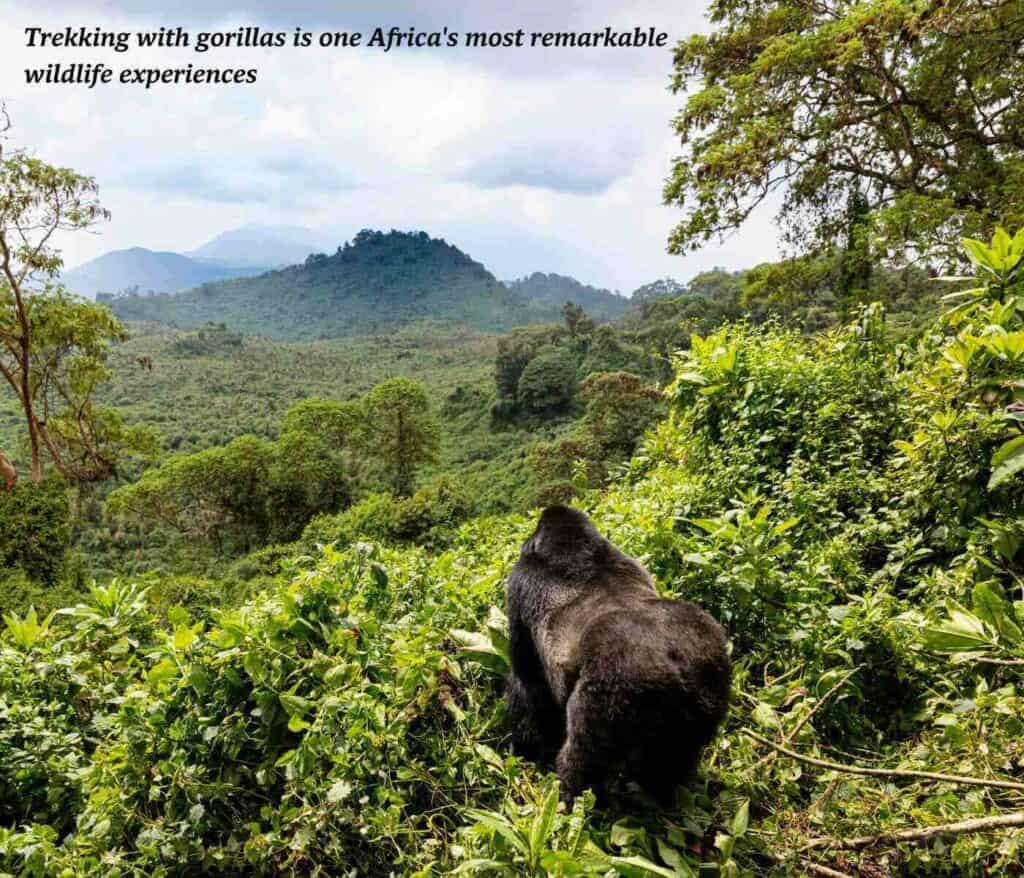
If you look at a map of East Africa, you’ll notice that Bwindi Impenetrable National Park lies in Uganda’s far southwest corner. Although the forest is in Uganda, it is considerably closer to Kigali, Rwanda, than to Uganda’s main international gateway at Entebbe.
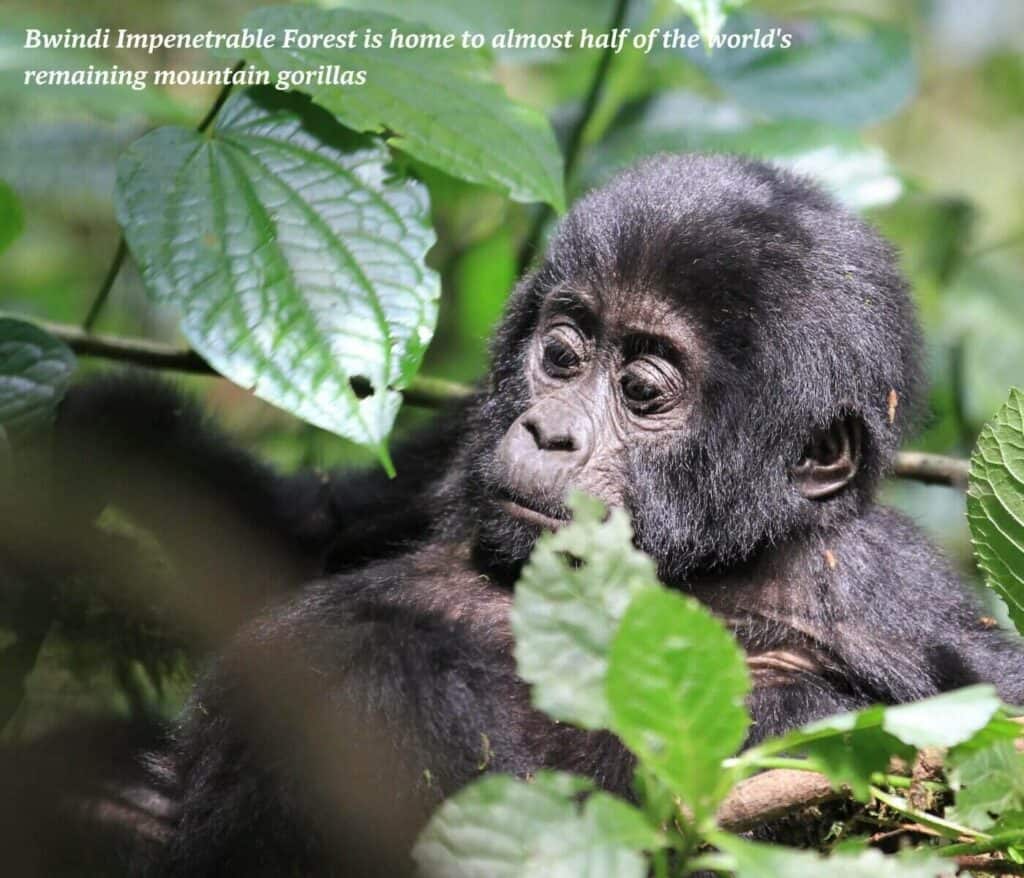
For many travellers, the Rwandan capital is therefore one of the most convenient starting points for a gorilla trekking safari. Bwindi’s mist-shrouded hills and ancient rainforest, home to almost half of the world’s remaining mountain gorillas, are typically just 4–5 hours away by road from Kigali. Compared with the 8–10-hour journey from Entebbe, this means less time spent travelling and more time in the forest.
This guide explains everything you need to know about border crossings, permits, travel times, accommodation and how to choose between trekking in Uganda or Rwanda. It brings all the key details together to help you plan a seamless journey to one of Africa’s most remarkable wildlife experiences.
Our Rwanda and Uganda guidebooks
For more information, see our Rwanda and Uganda guidebooks:
Why should you start your gorilla trekking safari in Kigali?
For many travellers, the main reason for starting in Kigali is saving time. If you land at Entebbe International Airport, you face a long day of travel across central Uganda to reach the gorilla highlands. From Kigali, you can land at noon, have a quick lunch and be checking into your lodge near Bwindi by dinner time.
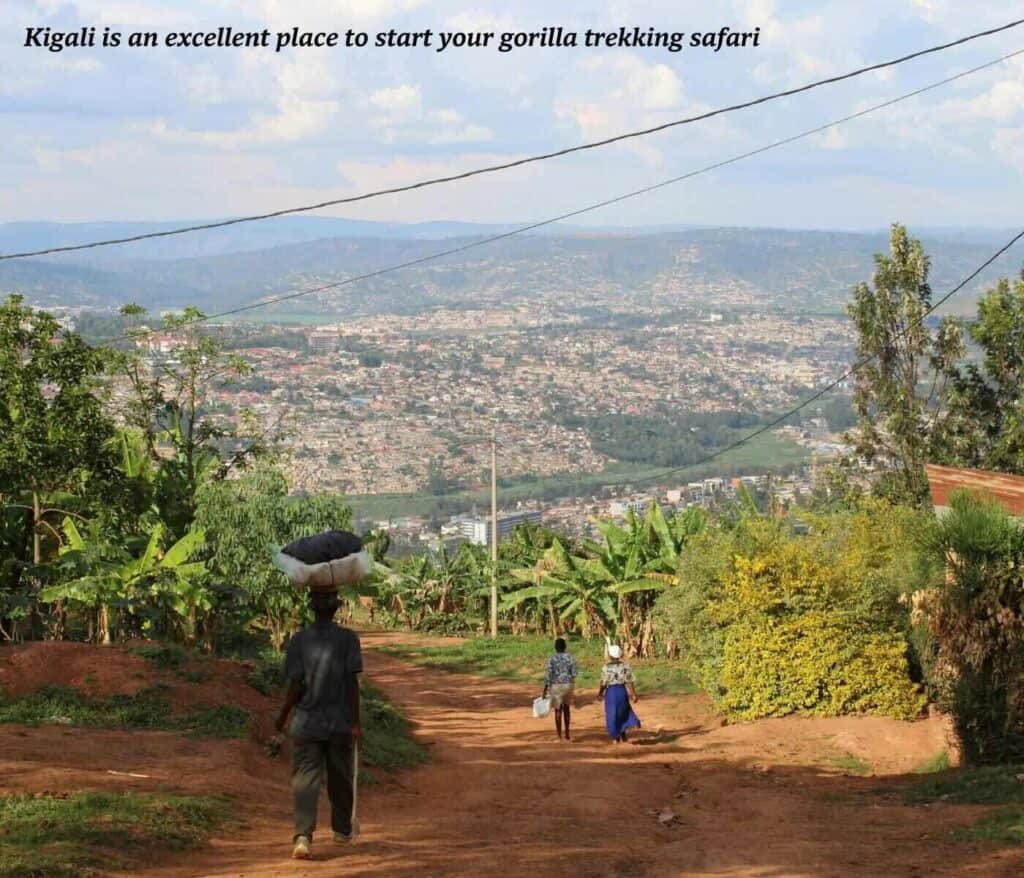
Kigali International Airport (KGL) is also a highly efficient hub, with excellent connections from Europe and the Middle East via airlines such as Qatar Airways, KLM and RwandAir. Before you head to the forest, Kigali is well worth a 24-hour stopover. The city is remarkably clean and safe, and offers an insightful introduction to Rwanda’s history through sights like the Kigali Genocide Memorial. It’s a softer landing for your African adventure than you’ll find in larger, more chaotic regional cities.
Uganda vs Rwanda: which should you choose?
This is the question most travellers ask, but the reality is there is no one ‘right’ answer.
The choice usually comes down to your budget, how much time you have available and how much convenience matters to you.
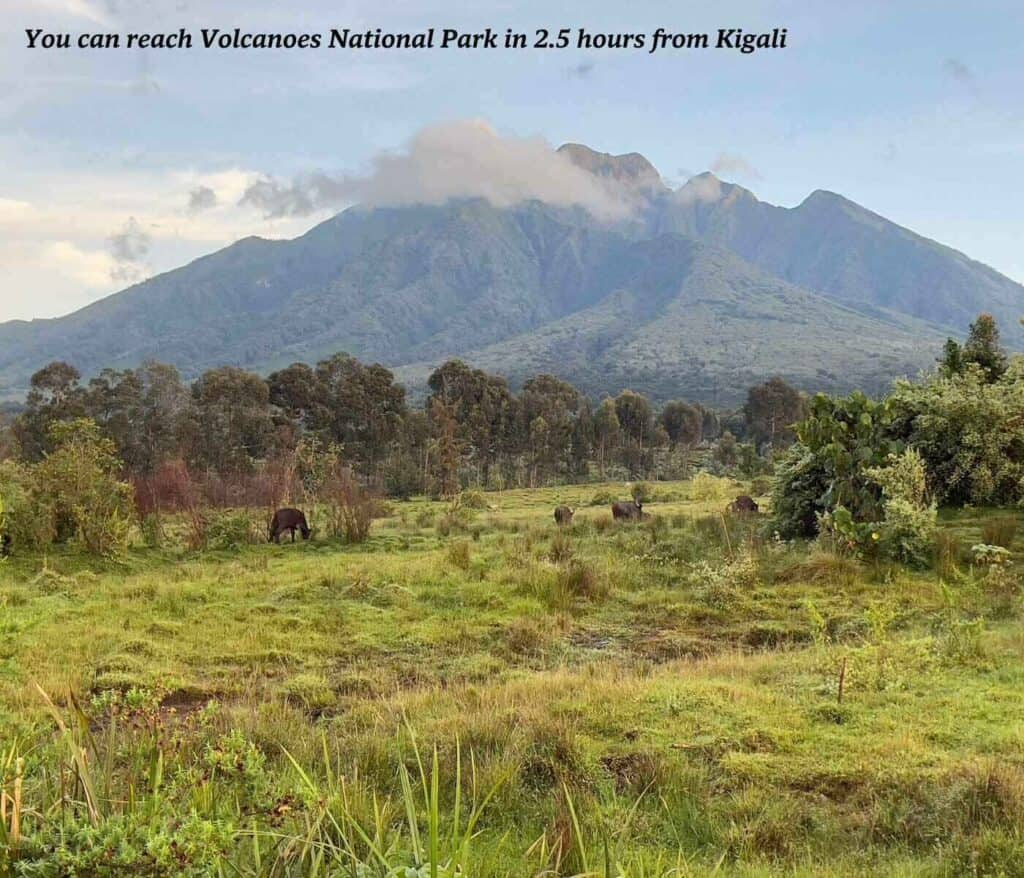
Rwanda (Volcanoes National Park): This is the premium option. The drive from Kigali to the park is only about 2.5 hours on well-paved roads. A single gorilla permit costs $1,500. It is the simpler choice if you want shorter transfers and are comfortable with the higher permit cost. If you are considering broader Rwanda safaris, this route also fits well into a wider itinerary.
Uganda (Bwindi Impenetrable Forest): This is often considered the best value option for most travellers. The drive is longer at about 4 to 5 hours from Kigali, but a gorilla permit costs $800 compared with Rwanda’s $1,500. For many, the additional driving time is outweighed by the substantial cost savings, especially since Bwindi gives you several trekking sectors to choose from.]
The practicalities
How much does a gorilla permit cost?
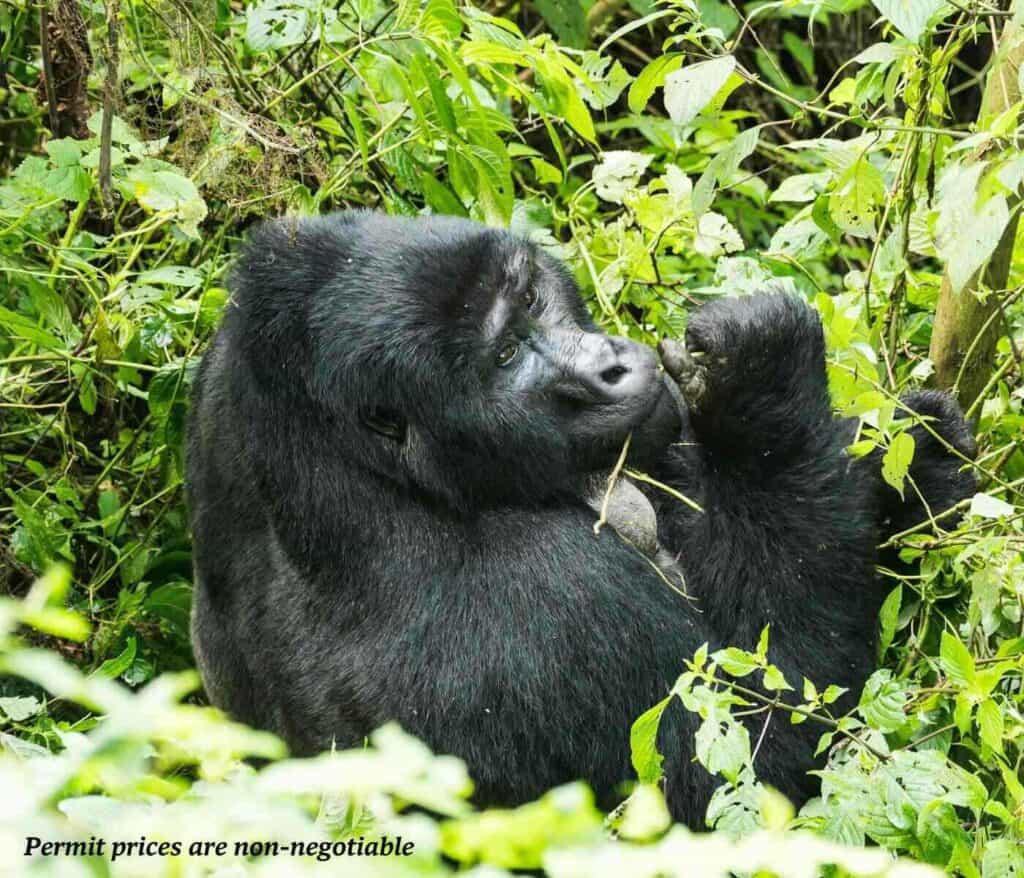
Permit prices are non-negotiable and set by the government wildlife authorities in Uganda and Rwanda.
Note that if you are booking last-minute, Uganda usually offers better availability because it is home to more habituated gorilla families than Rwanda.
- Uganda Permit: $800
- Rwanda Permit: $1,500
- Uganda Habituation Permit: $1,500 (This gives you 4 hours with the gorillas instead of 1. Many travellers who can handle the longer day find the habituation trek more rewarding.)
Is a gorilla trekking safari from Kigali expensive?
The gorilla trekking permit is not the only cost to consider. You’ll also need to factor in accommodation, transport and the services of a guide or tour operator.
The good news is that there are gorilla trekking safaris from Kigali to suit almost every budget, from simple group tours to all-inclusive luxury experiences.
As a rough guide, here’s what you can expect to pay for a 3-day gorilla trekking safari from Kigali:
- Budget: $1,300–1,800 per person
- Mid-range: $1,800–2,800 per person
- Luxury: $3,500+ per person
When should you book?
Gorilla permits are limited and demand is particularly high during the dry seasons from June to September and December to February.
For travel during these periods, booking permits 6-12 months in advance is advisable, especially if you have specific travel dates in mind or prefer a particular trekking sector.
Travellers visiting during the rainy seasons (March-May and October-November) often find better permit availability and lower accommodation rates.
- Recommended reading: East Africa’s best wildlife spots
Real travel times from Kigali
Don’t let a generic travel site tell you it’s a ‘quick jump’ from the Rwandan capital to the forest. Here is the reality of the road:
- Kigali to Volcanoes National Park (Rwanda): 2.5 hours. The roads are excellent, but they are winding and mountainous.
- Kigali to South Bwindi (Rushaga/Nkuringo sectors) via Cyanika Border: 4 to 5 hours. This includes time spent clearing customs.
- Kigali to North Bwindi (Buhoma/Ruhija sectors) via Gatuna Border: 5 to 6 hours. This route takes you through Kabale town.
Top Tip: If you are trekking in the southern sectors of Bwindi (Rushaga or Nkuringo), Cyanika is usually the practical border to use. If your permits are for Buhoma in the north, Gatuna often makes more sense. A good operator will match your border crossing to your permit sector so you don’t lose half a day on the wrong mountain road.
Navigating border crossings and visas
Crossing the land border between Rwanda and Uganda is usually straightforward if you have the right paperwork. The East Africa Tourist Visa (EATV) is often the most useful option for travellers taking this route.
- The East Africa Tourist Visa: This costs $100 and allows multiple entries between Rwanda, Uganda and Kenya for 90 days. You apply through the country you enter first. If you land in Kigali, apply through Rwanda’s immigration system.
- Cyanika and Gatuna Procedures: These borders are open 24/7, but daytime crossings are usually easier. You park, enter the immigration hall, get your exit stamp from Rwanda, then walk across to the Uganda side for your entry stamp.
- Yellow Fever Certificate: If you’re travelling to East Africa, you’ll need to be vaccinated against yellow fever, but it’s not enough just to have had the jab – you must also carry proof in the form of your official yellow fever vaccination card. Border officials check this regularly, and not having it can cause delays or lead to an unwanted vaccination process.
A good safari operator like Orugano Safaris will normally brief you on which documents to carry, how long the crossing is likely to take and which border is best for your permit sector.
You can find out more about how to prepare for a trip to Rwanda here.
Where to stay near Bwindi
When travelling from Kigali to southern Bwindi, most visitors choose to stay in either the Rushaga or Nkuringo sectors, both of which offer convenient access to several habituated gorilla families.
Accommodation ranges from simple community guesthouses to luxury forest lodges. Regardless of budget, proximity to your trekking sector should be one of the main considerations when choosing where to stay. After an early morning briefing and several hours of trekking, a long transfer back to your accommodation can be surprisingly tiring.
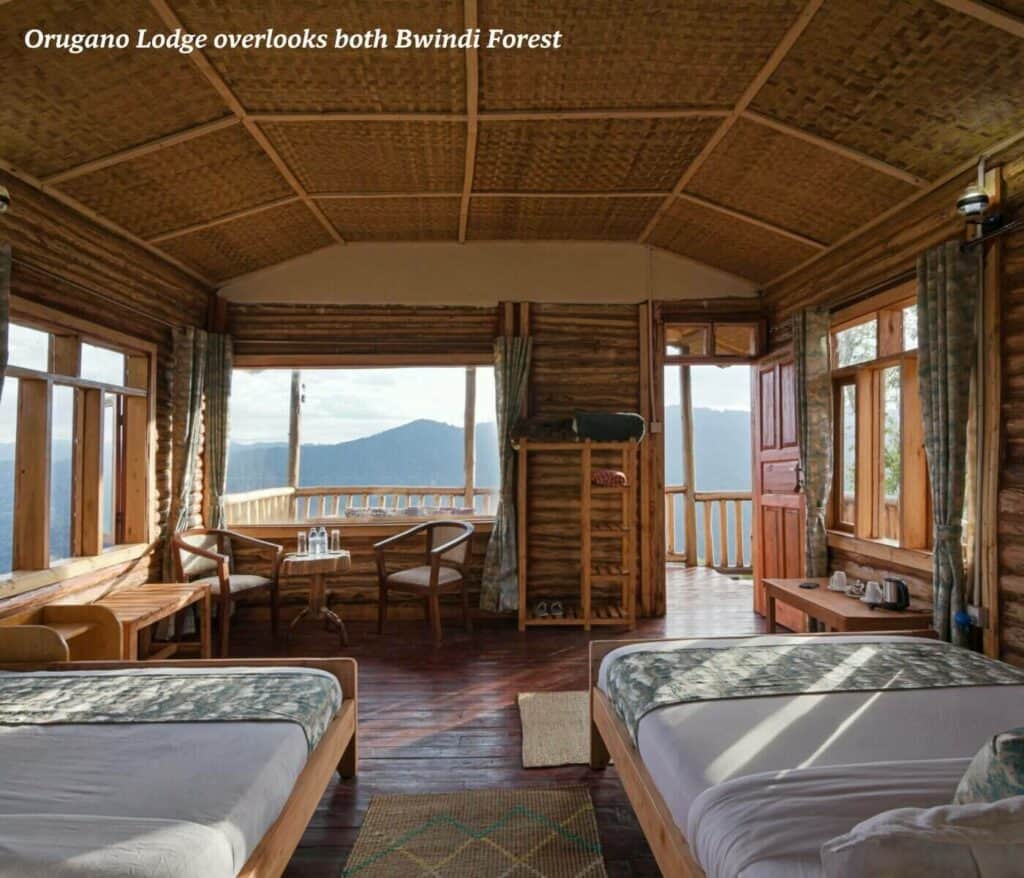
One option in southern Bwindi is Orugano Bwindi Lodge, a mid-range property located about 10-15 minutes from the Nkuringo briefing point. The lodge overlooks both Bwindi Forest and the Virunga Volcanoes and provides a convenient base for gorilla trekking for both Nkuringo and Rushaga sectors.
Regardless of where you stay, it is worth ensuring that your accommodation is located close to the trekking sector shown on your permit.
Sample itineraries from Kigali
The 3-Day Kigali-Bwindi Express
- Day 1: Pick up from Kigali, city tour, drive to Bwindi (Rushaga/Nkuringo).
- Day 2: Gorilla trekking in Bwindi. Afternoon relaxation or community walk.
- Day 3: Drive back to Kigali for your evening flight.
The 5-Day Gorilla and Golden Monkey Combo
- Day 1: Arrival in Kigali, overnight.
- Day 2: Drive to Volcanoes National Park (Rwanda) for Golden Monkey trekking.
- Day 3: Cross the border to Uganda, afternoon canoe activity on Lake Mutanda.
- Day 4: Gorilla trekking in Bwindi.
- Day 5: Return to Kigali.
The 7-Day Multi-Country Explorer
This adds a visit to Queen Elizabeth National Park for the opportunity to spot tree-climbing lions or a stop in Kibale to see the chimpanzees.
Frequently asked questions about gorilla trekking safaris
Do I need a visa for both countries?
Yes, unless your nationality is exempt. The East Africa Tourist Visa usually covers both for a single $100 fee. If you buy separate visas, you may pay $50 for Uganda and $50 for Rwanda, depending on your nationality, but you lose the convenience of one multi-country visa.
Can I cross the border in a rental car?
It can be difficult. Many Rwandan rental agencies do not allow their vehicles to enter Uganda because of insurance issues. In practice, most travellers are better off with a driver-guide whose vehicle already has the required cross-border paperwork, including COMESA insurance.
What’s the cheapest option from Kigali?
The cheapest option is usually the 3-Day Express to Bwindi in Uganda. With Uganda permits priced at $800 – and accommodation often giving you better value for money – many travellers find Uganda to be the most budget-friendly choice.
How fit do I need to be?
Bwindi terrain can be steep and uneven in places, although trekkers of different ages and fitness levels successfully complete gorilla treks every day. Porters and walking sticks are available and greatly improve the experience, and a good operator will request the most suitable gorilla family for your fitness level where possible.
Which is better for gorilla trekking: Uganda or Rwanda?
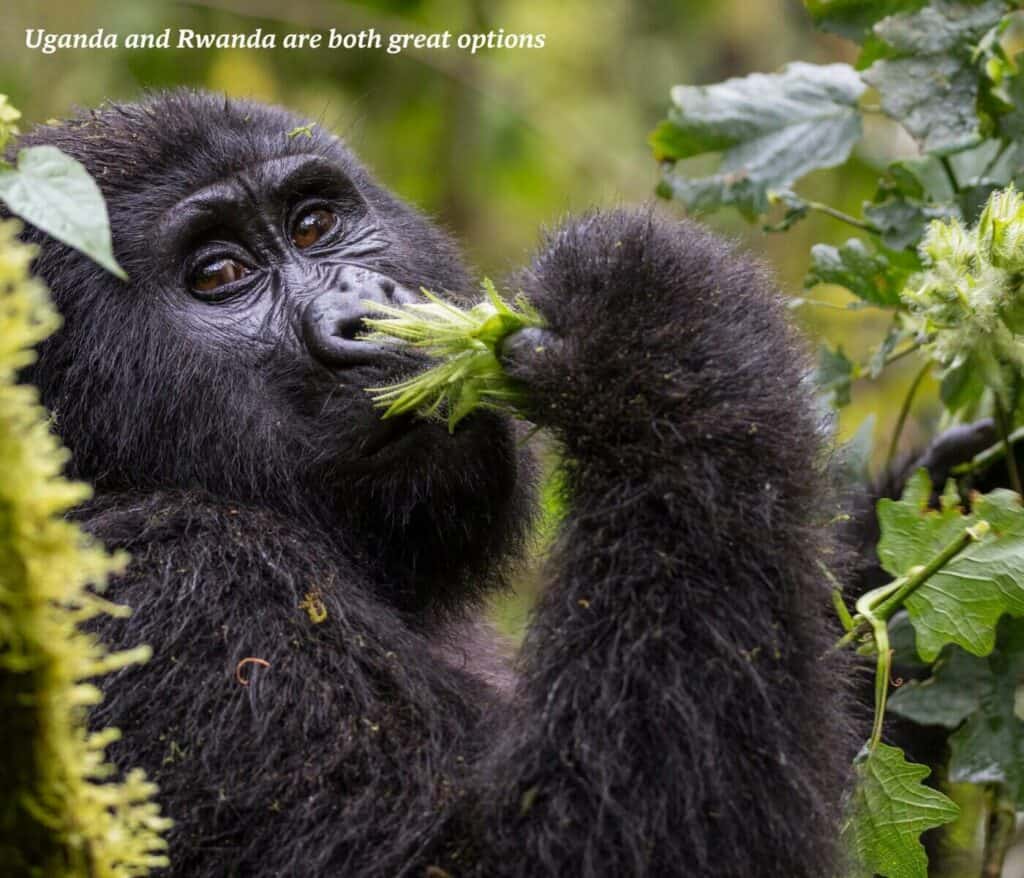
There is no universally ‘better’ destination. Rwanda offers shorter transfer times and easier access from Kigali, but permits are more expensive.
Uganda permits are cheaper and offer access to more habituated gorilla families and a wider choice of trekking sectors. For many travellers, Uganda provides better overall value, while Rwanda offers greater convenience.
Which border crossing is better: Cyanika or Gatuna?
Cyanika is usually the better choice for travellers heading to southern Bwindi (Rushaga or Nkuringo sectors). Gatuna works well for northern Bwindi (Buhoma or Ruhija).
If you want variety, you can enter Uganda through Cyanika via Kisoro town and Lake Mutanda to reach the southern sectors, then exit through Katuna, which takes you past steep cliffs towards Rushaga, through Kabale town and across the lush farms of the Ndorwa plains. It is an interesting way to criss-cross both Rwanda and southern Uganda on a single itinerary.
Should I fly into Kigali or Entebbe for Gorilla Trekking?
For travellers visiting southern Bwindi (Nkuringo or Rushaga), Kigali is often the more convenient gateway. However, if you plan to combine gorilla trekking with other destinations in Uganda, such as Kibale Forest, Queen Elizabeth National Park or Murchison Falls National Park, flying into Entebbe may make more logistical sense.
Can I fly into Kigali and out of Entebbe?
Yes. This is a popular itinerary for travellers exploring Uganda. You fly into Kigali, trek with gorillas in Bwindi and then continue north through Uganda before departing from Entebbe. This approach avoids backtracking to Kigali and allows you to include other sights in Uganda as part of a longer trip.
Is it safe to travel overland between Kigali and Bwindi?
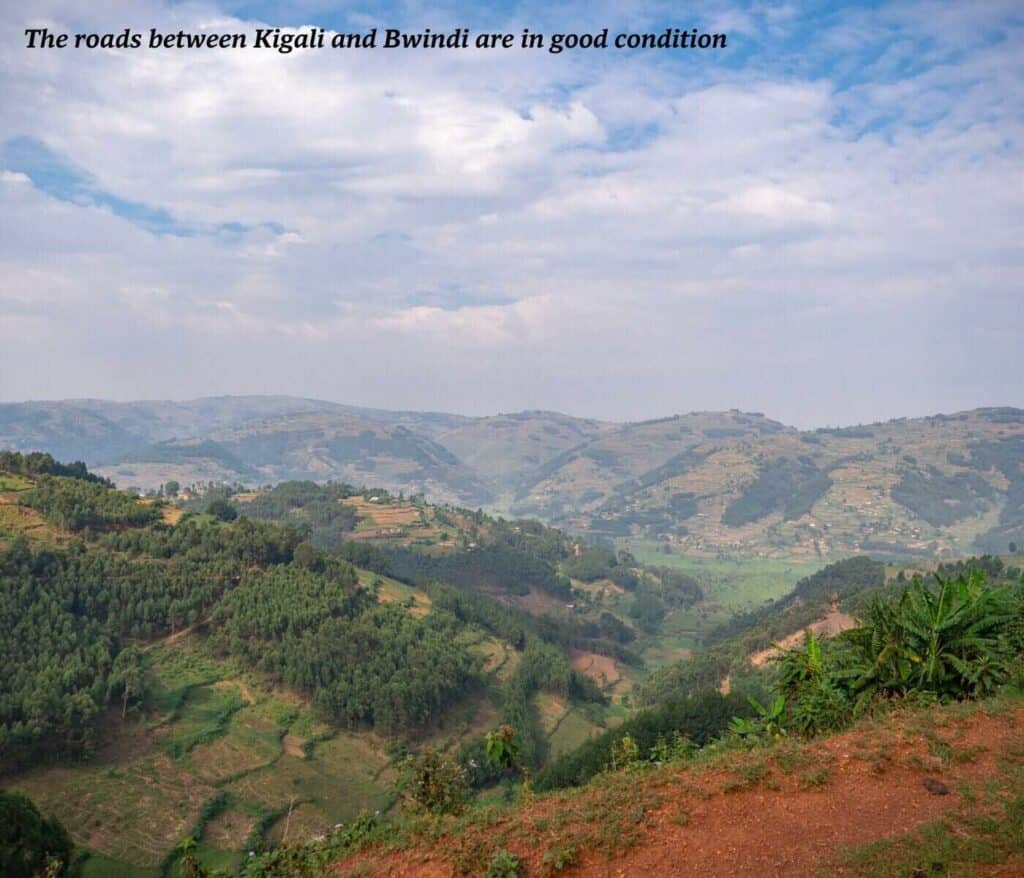
Yes. The roads are generally in good condition, particularly on the Rwandan side. Border crossings are routine with proper documentation, and the route passes through inhabited areas. Using a reputable operator with a well-maintained vehicle and an experienced driver-guide is the standard way to travel this route.
Can children go gorilla trekking?
The minimum age for gorilla trekking is 15 years in both Uganda and Rwanda. This rule is strictly enforced. Children under 15 cannot participate in the trek, so families with younger children should plan alternative activities.
So, why should you start your gorilla trekking safari in Kigali?
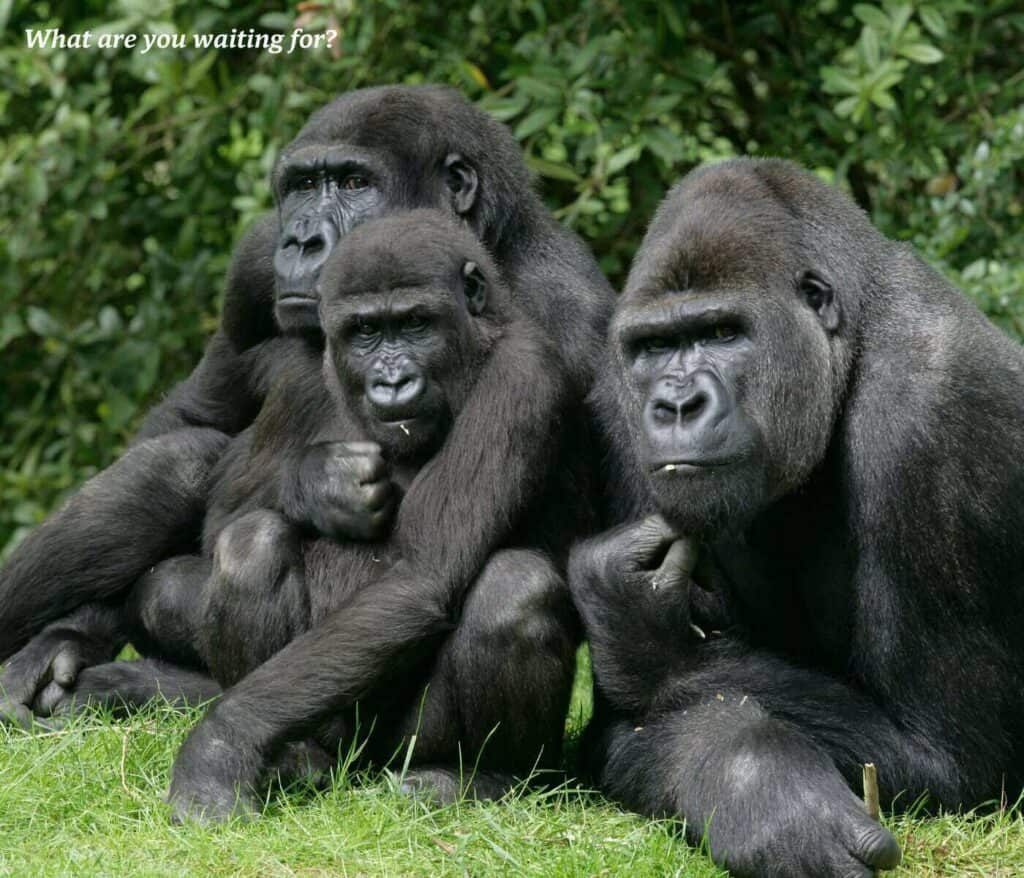
For many travellers, starting a gorilla safari in Kigali offers the ideal balance between convenience, cost and access to the forests of both Rwanda and Uganda. With permits secured in advance, the correct border crossing chosen and accommodation located close to your trekking sector, planning the journey is relatively straightforward.
Whether you choose the shorter drive to Rwanda’s Volcanoes National Park or the better value offered by Uganda’s Bwindi Impenetrable National Park, few wildlife experiences compare to spending time with mountain gorillas in their natural habitat.
Our Rwanda and Uganda guidebooks
For more information, see our Rwanda and Uganda guidebooks: