
The best things to do in Chihuahua, Mexico
Looking for the best things to do in Chihuahua? From riding the legendary Chepe Express through Copper Canyon to exploring vibrant cities, dramatic mountain landscapes, and unique local traditions, this northern Mexican state is packed with adventure.
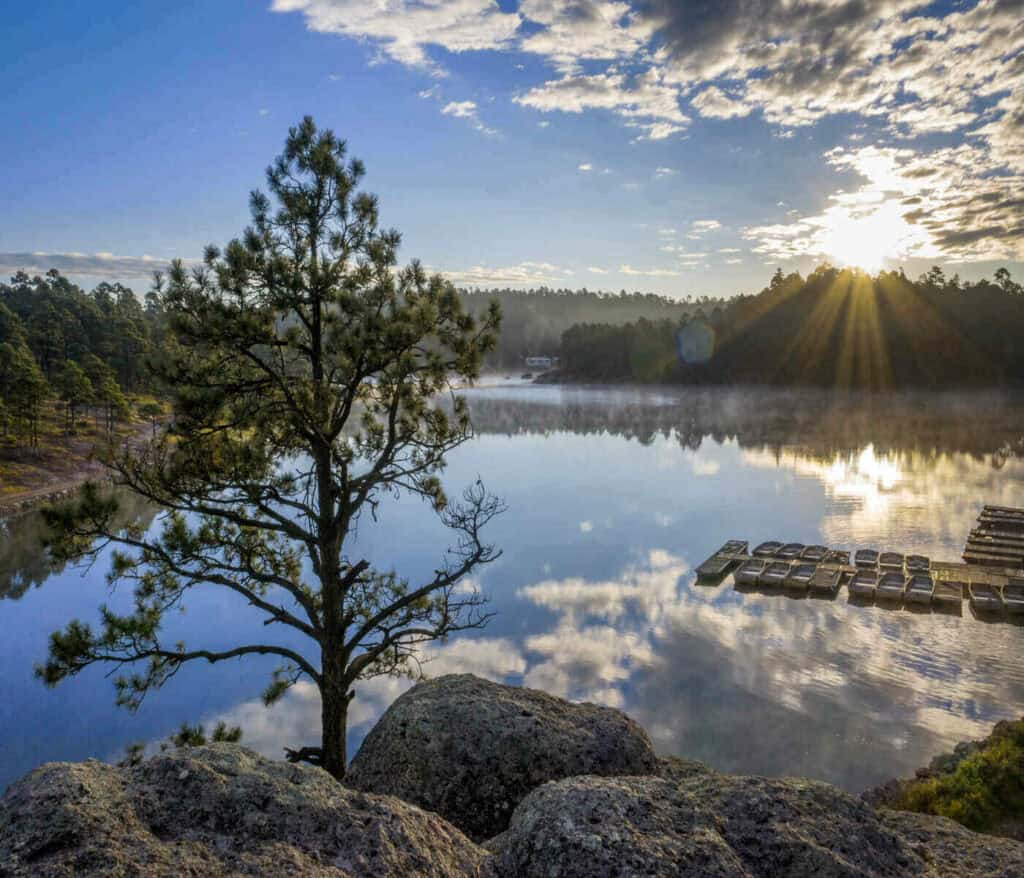
Enticingly rugged and quietly spectacular, Chihuahua is one of Mexico’s most rewarding regions for travellers looking to explore beyond the country’s better-known destinations. This vast northern state combines theatrical deserts, pine-covered mountains and a history shaped by revolution and migration.
At its heart lies the Copper Canyon (Barrancas del Cobre), a vast network of chasms carved through the Sierra Tarahumara. Deeper and more expansive than the Grand Canyon, its diverse landscapes are best explored aboard the Chepe Express, one of Mexico’s most scenic rail journeys.
However, Chihuahua’s appeal extends beyond its impressive terrain.
In Chihuahua City, colonial architecture reveals the state’s past, while around Cuauhtémoc, Mennonite communities preserve generations-old traditions. In the mountains around Creel, the Rarámuri people maintain a deep connection with the land, providing a glimpse into the enduring customs that continue to shape Chihuahua’s identity today.
With sweeping horizons, quiet trails and a unique, rich heritage, Chihuahua offers travellers a chance to experience a side of Mexico that feels both authentic and unfamiliar.
Here are the things you shouldn’t miss.
Things to do in Chihuahua
Discover Chihuahua City
Chihuahua City is the natural starting point for travellers visiting this distinctive region.
While many visitors choose to pass through quickly on their way to the mountains, Mexico’s northern capital is deserving of more than a flying visit. Unlike the colourful colonial cities found elsewhere in the country, Chihuahua has a distinctly northern character: broad streets, elegant historic buildings and a strong connection to the events that shaped modern Mexico.
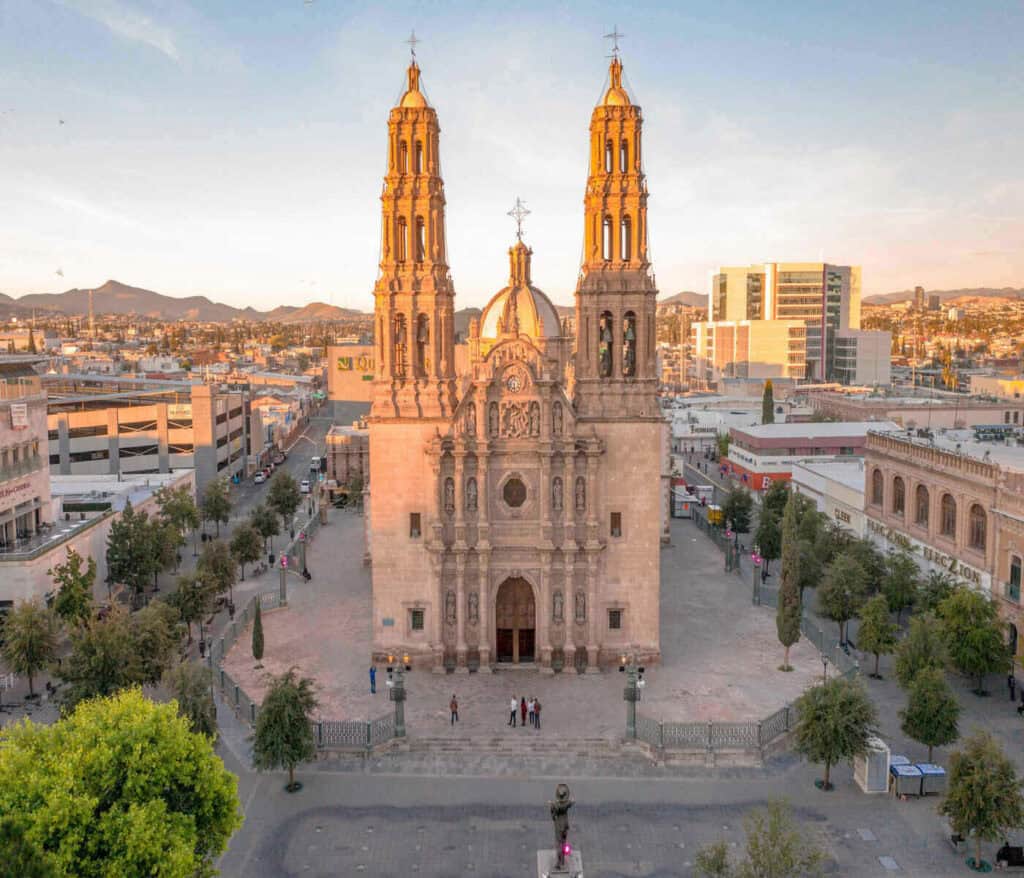
The city’s historic centre is best explored on foot, where landmarks reveal the history of the state street by street. At its heart stands the Cathedral of Chihuahua, one of the finest examples of 18th-century Baroque architecture in the region. Its twin towers dominate the Plaza de Armas, and inside, the richly decorated interior reflects the building’s significance during the colonial period.
Nearby, the Government Palace (Palacio de Gobierno) offers travellers an atypical insight into Mexico’s struggle for independence. The Palace is decorated with striking murals depicting key moments in Mexico’s history, including the life and death of Miguel Hidalgo, who was executed in Chihuahua in 1811. The artwork provides a striking visual reminder of the city’s pivotal role in the events that helped shape modern Mexico.
Meanwhile, the city is often associated with Francisco ‘Pancho’ Villa, one of the most recognisable figures of the Mexican Revolution, and the home where he spent his final years is now the Museo Histórico de la Revolución. The museum contains photographs, weapons, documents and personal belongings that bring the turbulent early 20th century to life.
Beyond its historic sights, Chihuahua City is also the place to discover one of the region’s most distinctive products: sotol. Made from the desert plant Dasylirion (‘desert spoon’), this spirit has been produced in northern Mexico for centuries. Unlike tequila and mezcal, which are made from agave, sotol comes from a different plant adapted to Chihuahua’s dry landscapes.
Local bars and restaurants offer tastings where visitors can learn about the production process, from harvesting the plant to roasting, fermenting and distilling it.
Experience Mennonite heritage in Cuauhtémoc
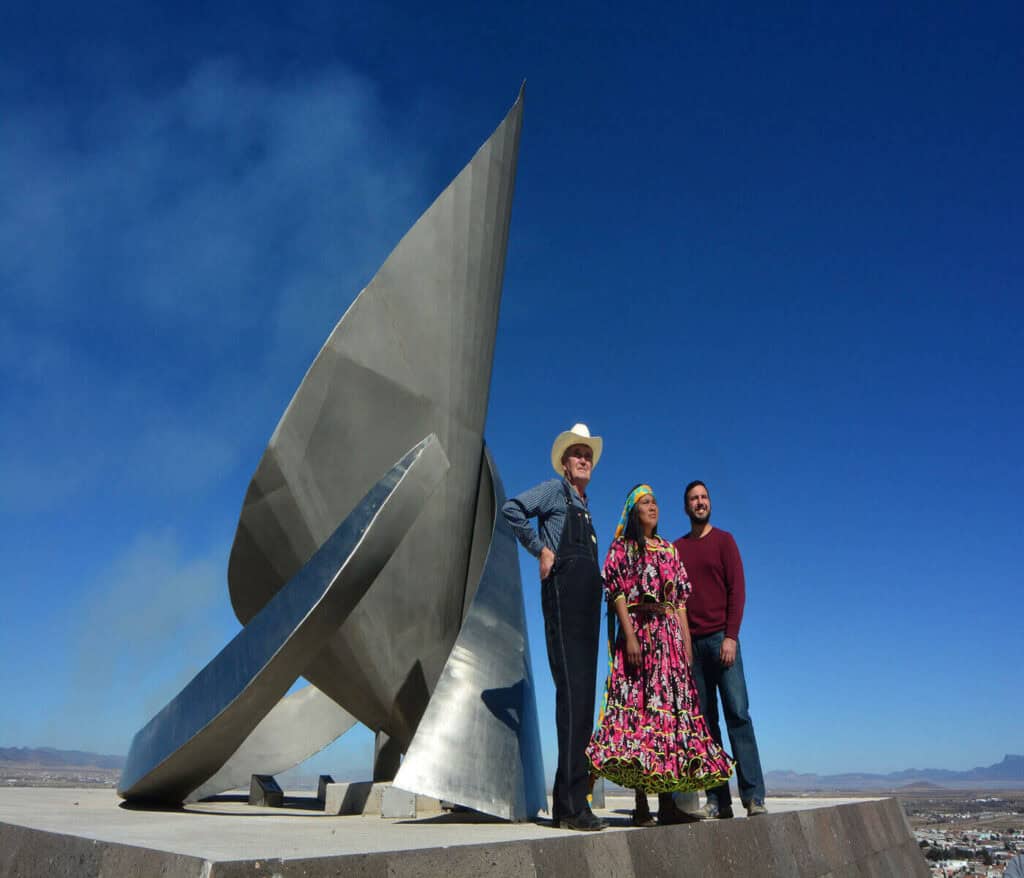
Around 100km west of Chihuahua City lies Cuauhtémoc, an area renowned for its strong Mennonite heritage. The arrival of Mennonite settlers in Chihuahua in the 1920s created one of Mexico’s most distinctive rural communities, where farming traditions, craftsmanship and family life continue to follow customs passed down through generations.
The countryside surrounding Cuauhtémoc is characterised by traditional farms and small communities where Mennonite Low German (Plautdietsch) is still spoken alongside Spanish. Visitors can learn about Mennonite history through local museums and workshops, gaining insight into a way of life built around agriculture and self-sufficiency.
One of the highlights of a visit is sampling the region’s famous cheeses. Mennonite families have developed a reputation for producing some of Mexico’s finest artisanal dairy products, particularly their creamy, mild cheeses made using techniques refined over decades. Farm shops and local markets provide an opportunity to taste these products while meeting some of the families who have been producing them for centuries.
If all that history has worked up an appetite, you’re in the right place.
Explore Creel and the Sierra Tarahumara
High in the Sierra Madre Occidental, the small mountain town of Creel is the gateway to the canyons, pine forests and towering rock formations of the Sierra Tarahumara. Sitting at around 2,300m above sea level, this Pueblo Mágico (Magical Town) is a convenient base for travellers looking to explore the surrounding landscapes.
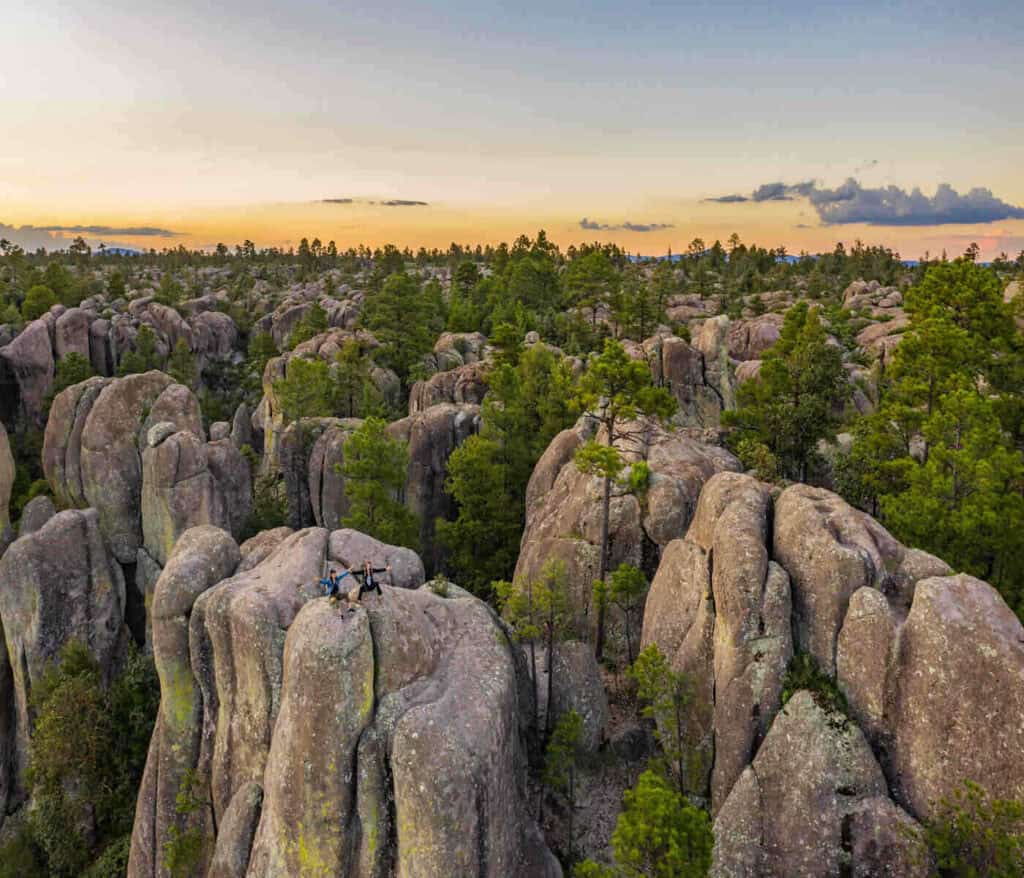
The town itself is relatively modest, with a central square, craft markets and a handful of restaurants and hotels, but its appeal lies in what surrounds it. From Creel, trails lead to lush valleys and weathered rock spires that rise unexpectedly from the forest floor.
Pueblo Mágicos: what is a ‘Magical Town’?
The Pueblo Mágico (Magical Town) designation is awarded by the Mexican government to communities that have preserved their traditions, history, culture and architecture over time.
These towns are recognised for their symbolism, legends and the way they connect visitors with Mexico’s heritage and identity.
One of the most popular excursions is to Lake Arareco, a peaceful body of water that offers a welcome respite for travellers on the go. The lake is an ideal place for walking, kayaking, or simply enjoying the beauty of the Sierra. Nearby is the Valley of the Mushrooms and Frogs (Valle de los Hongos y de las Ranas), where enormous volcanic rock formations have been shaped by erosion into curious natural sculptures that resemble their namesakes.
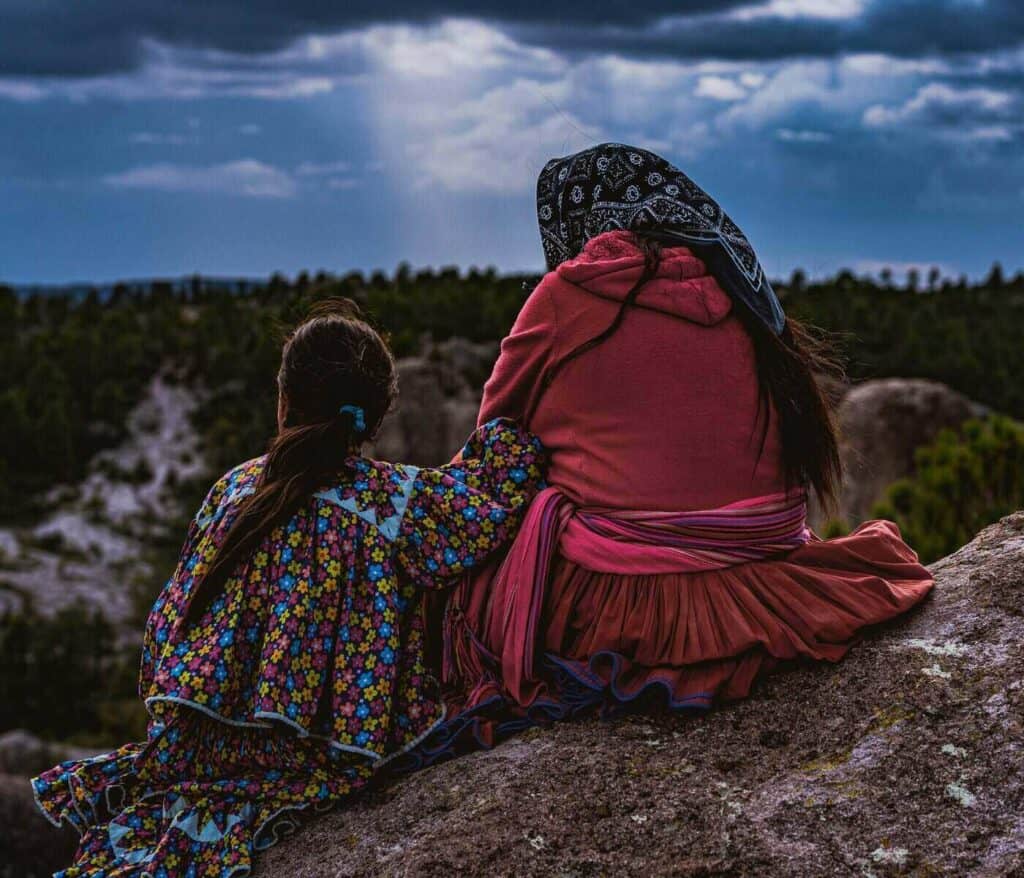
The Sierra Tarahumara is also home to the Rarámuri (or Tarahumara) people, who are renowned for their endurance and long distance running traditions. Yet their culture is rooted in much more than athletic ability: their language, beliefs and everyday life reflect a deep connection with the mountains and valleys they call home.
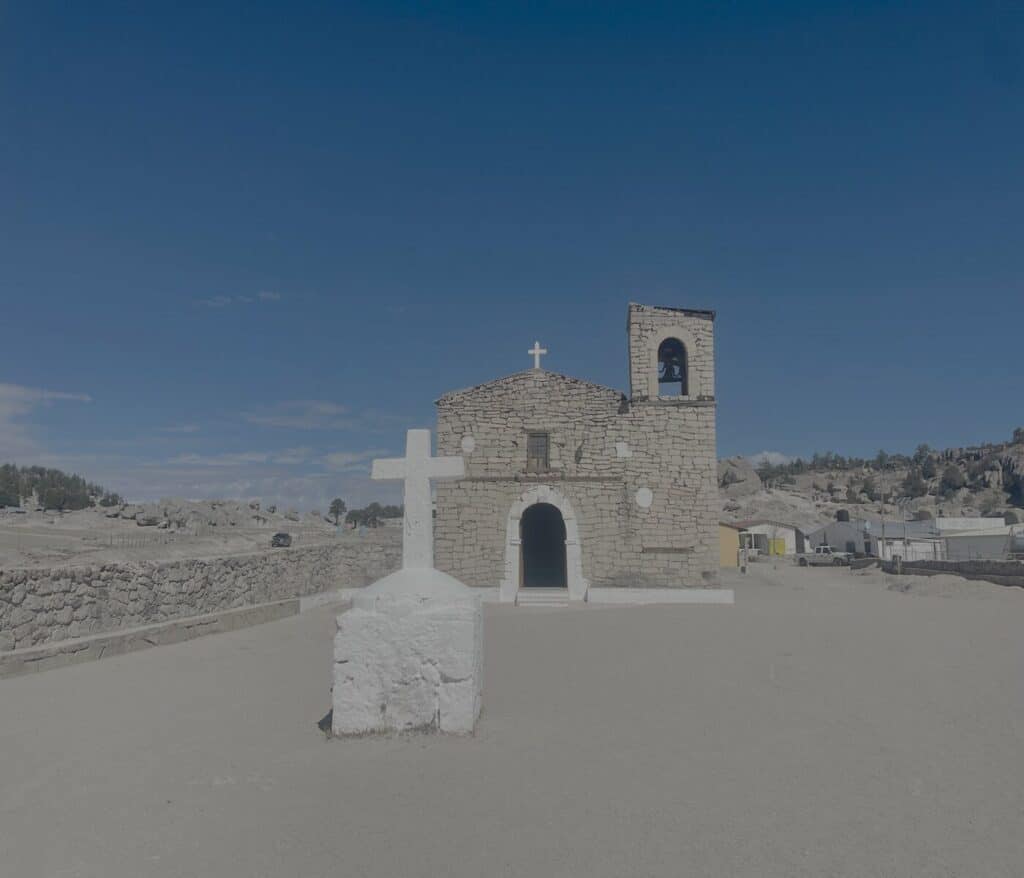
Visitors to the region can learn more about this community through guided walks and visits to craft markets and local landmarks like the San Ignacio de Arareco Mission. With help from local guides, travellers can learn about Rarámuri knowledge of the natural world, from traditional uses of plants to the cultural significance of the landscape.
The area around Creel is also home to caves that once sheltered Rarámuri families, as well as viewpoints overlooking the surrounding valleys. The mountains remain central to Rarámuri life, influencing everything from traditional practices to the routes that link communities across the Sierra Tarahumara.
Marvel at Copper Canyon
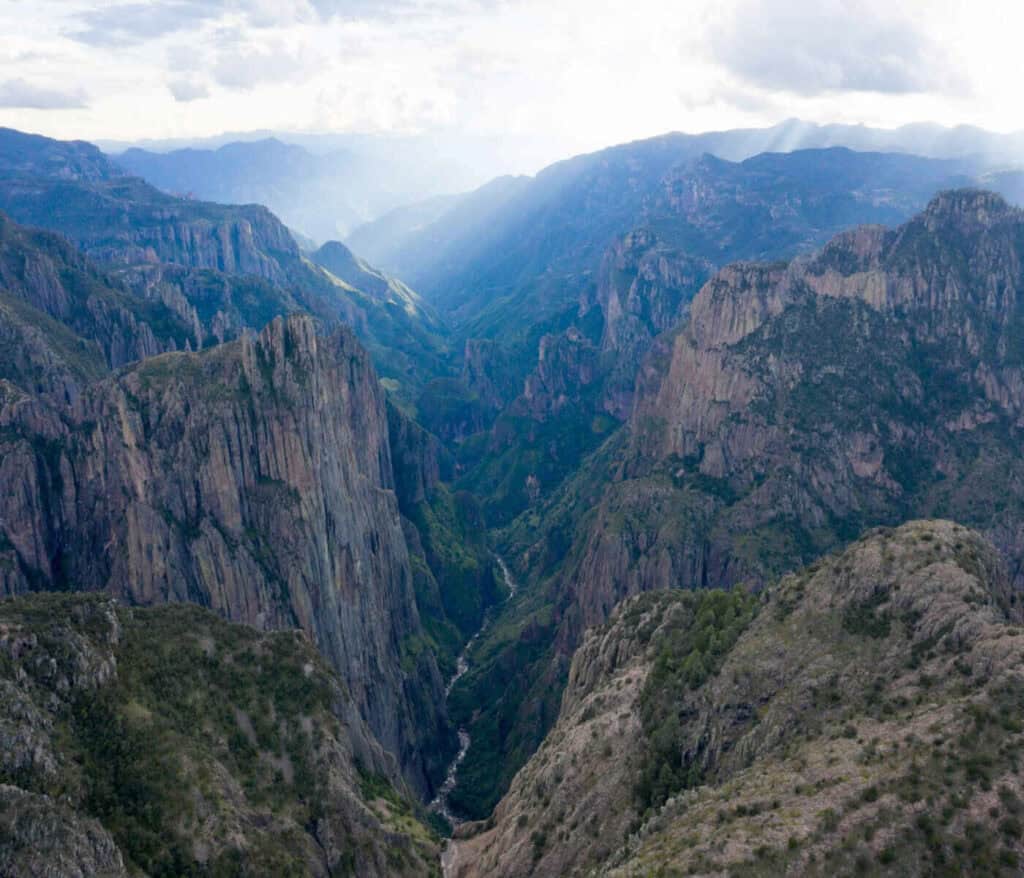
Copper Canyon is Chihuahua’s defining attraction and one of the great natural wonders of North America.
Consisting of six major chasms carved through the Sierra Tarahumara, the canyons combined are deeper and vaster than the Grand Canyon, although their scale is experienced differently: rather than one immense gorge, Copper Canyon unfolds as a vast mountainous landscape of interconnected ravines.
The most well-known viewpoints are around Divisadero, where several canyons meet, and the terrain extends into a dramatic panorama of cliffs and forested slopes. From here, visitors can look down into the Urique Canyon – the deepest in Mexico – where settlements and winding trails appear miniscule against immense canyon walls.
This is a place best experienced slowly.
Hiking trails lead through pine forests, along staggering edges and into valleys where the silence is broken only by a gentle wind and the occasional smattering of birdsong. For those looking for a more adventurous experience, Copper Canyon Adventure Park offers several methods to appreciate the scenery from above. The park’s cable car crosses the canyon without requiring a mountain ascent, revealing the scale and complexity of the canyon system below. There are also zip lines, suspension bridges and other activities for visitors wanting a more dramatic perspective of the landscape.
Copper Canyon’s greatest appeal lies in its remotenes. Beyond the canyon rims, mountain ridges fade into the distance, villages cling to the slopes and the landscape seems to stretch without end. Far removed from Mexico’s busy coastal resorts and bustling cities, it is a rare environment where nature remains the dominant presence.
- Recommended reading: interesting places to visit in Latin America
Jump aboard the Chepe Express
Few train journeys in the world combine spectacular scenery, remarkable engineering and cultural discovery quite like the Chepe Express. Running through the Sierra Tarahumara between Chihuahua and the Pacific coast, this railway offers one of the most memorable ways to experience northern Mexico’s landscapes.
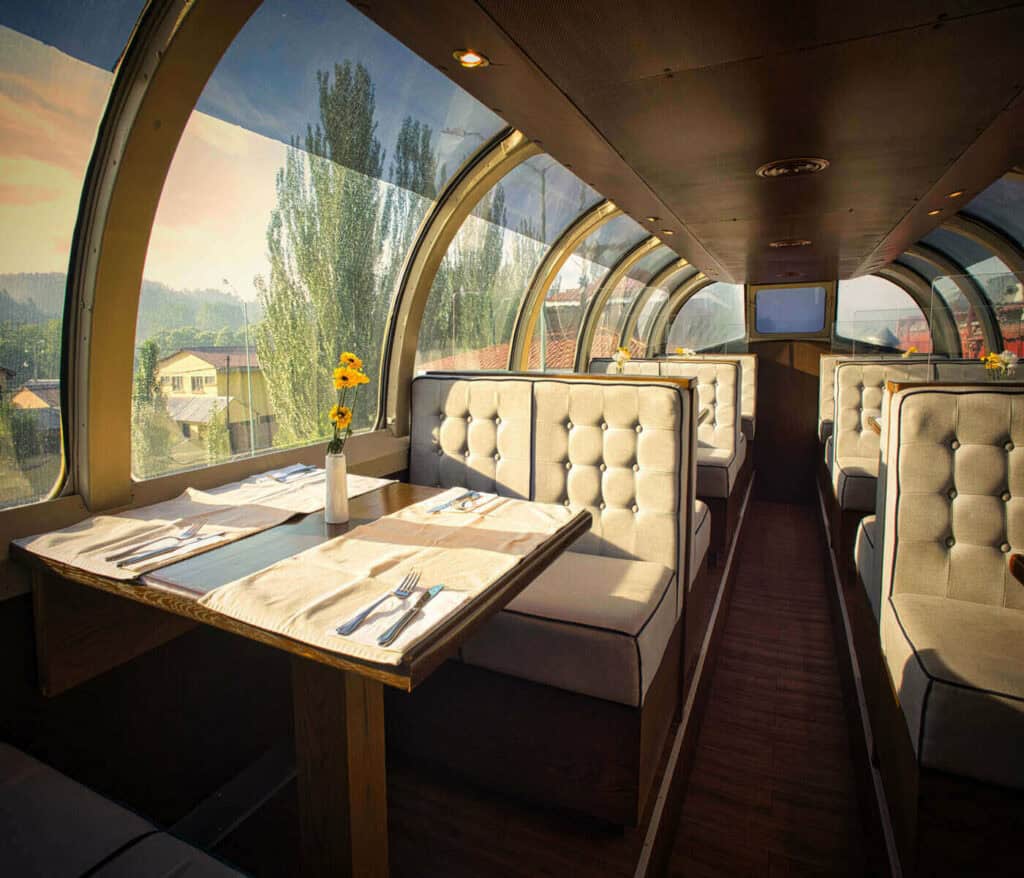
The route crosses a dramatic transition from the high forests around Creel to the deep ravines of Copper Canyon, passing over towering bridges and through numerous tunnels carved into the mountains. The Chepe Express is Mexico’s only luxury passenger train, with panoramic windows, comfortable seating and onboard dining featuring exquisite regional cuisine.
The most impressive section of the journey is between Creel and and Bahuichivo, passing through the viewpoints around Divisadero. From the carriage window, pine forests give way to immense canyon views, with the railway appearing to cling to the mountainside as it descends through the Sierra.
The unhurried pace is part of the appeal, turning the journey into an experience rather than simply a way of getting from A to B. Before long, passengers settle into the gentle sway of the train on its tracks, watching the ever-changing landscape slip by.
Planning a trip to Chihuahua
Chihuahua is a vast state and distances between attractions can be considerable. Allowing enough time for your visit is essential, particularly if you want to explore Chihuahua City, Cuauhtémoc, Creel and Copper Canyon without rushing.
The region is generally best explored as part of a wider itinerary rather than a short stopover. The Chepe Express makes independent travel easier, while local guides can be valuable for accessing remote hiking routes and community experiences.
International travellers can reach Chihuahua City by connecting through Mexico City, with frequent flights to Chihuahua City’s International Airport taking around two and a half hours. An excellent option is to combine Chihuahua with the beach destinations of Baja California Sur, such as La Paz or Los Cabos, creating an exceptional journey that pairs the dramatic landscapes of Copper Canyon with the turquoise waters of the Sea of Cortez.
Before travelling, it is always sensible to check the latest advice. The UK Foreign, Commonwealth & Development Office (FCDO) currently provides travel guidance for Mexico, including up-to-date information on safety and regional considerations.
Final thoughts
Chihuahua is a region that rewards curiosity. Its appeal lies not in a single landmark, but in the way its landscapes, history and communities come together: colonial streets and revolutionary stories in Chihuahua City, farming traditions around Cuauhtémoc, mountain villages in the Sierra Tarahumara and the immense wilderness of Copper Canyon.
For travellers looking beyond Mexico’s familiar destinations, Chihuahua offers a rare combination of scale and intimacy. It is a place where journeys still matter, where landscapes dominate the horizon and where the experience of discovery remains very much alive.
What are you waiting for?
More information
This article is published in collaboration with the Chihuahua Tourism Board.
You can find out more about this beautiful state on their website.