
The Egypt travel tips you need to know
Plan your Egypt travel with a deeper look at its history, regional cultures, local traditions and ancient sites.
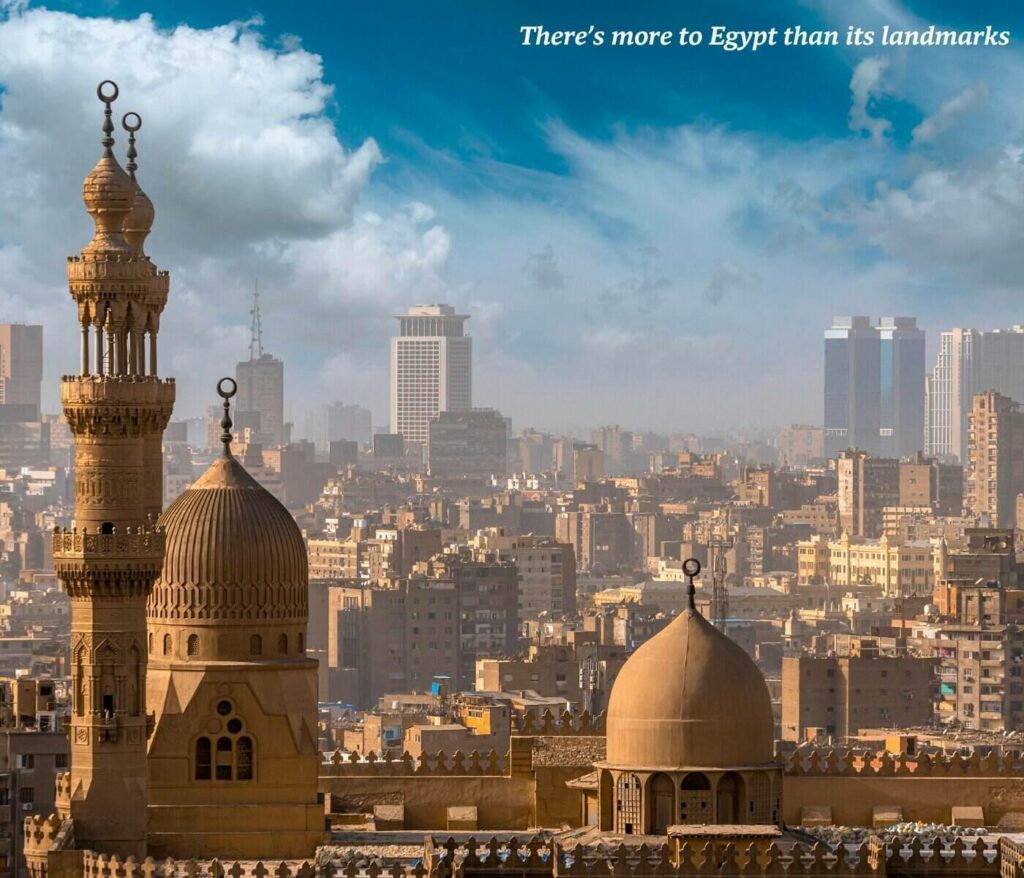
Travel in Egypt: what you need to know
Egypt often appears on travellers’ itineraries for its pyramids, temples and other ancient sites, but there’s much more to the country than its archaeological landmarks.
Many visitors arrive with a plan to photograph the famous monuments, yet leave without getting a sense of the people, traditions and landscapes that give them context. The real reward is experiencing Egypt as a living, layered destination – not simply a collection of historic attractions.
Here’s what you need to know.
Explore Egypt’s sacred landscapes
Egypt’s history is closely connected to its geography. The River Nile created the foundation for one of the world’s earliest civilisations, supporting agriculture, trade, religious practice and the construction of landmarks that are still standing to this day.
Every region tells a different chapter of Egypt’s story. If you want to get beyond the headline sights and understand the country as a whole, each is worth exploring if time allows.
Discover more about the continent in our Africa travel guides.
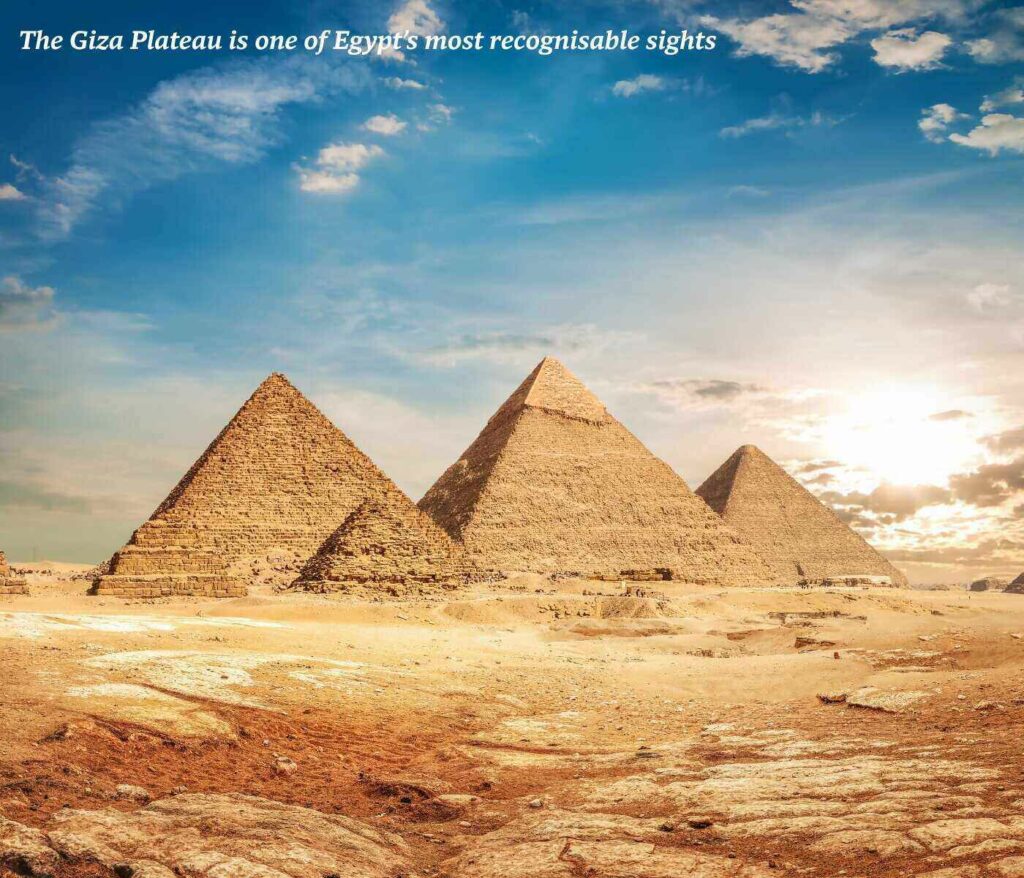
Cairo and Giza
The Giza Plateau is one of Egypt’s most recognisable sights, but the pyramids are significant for more than their scale and appearance. They reflect ancient Egyptian ideas about kingship and the afterlife, as well as the engineering and organisational skills required to build and maintain such vast monuments.
Understanding that context changes the experience of Giza: the pyramids become evidence of how ancient Egyptian society was structured, from royal power and religious belief to the labour and resources involved in their construction. Nearby Cairo adds a very different historical dimension, with museums, Islamic architecture and neighbourhoods shaped by centuries of political and cultural change.
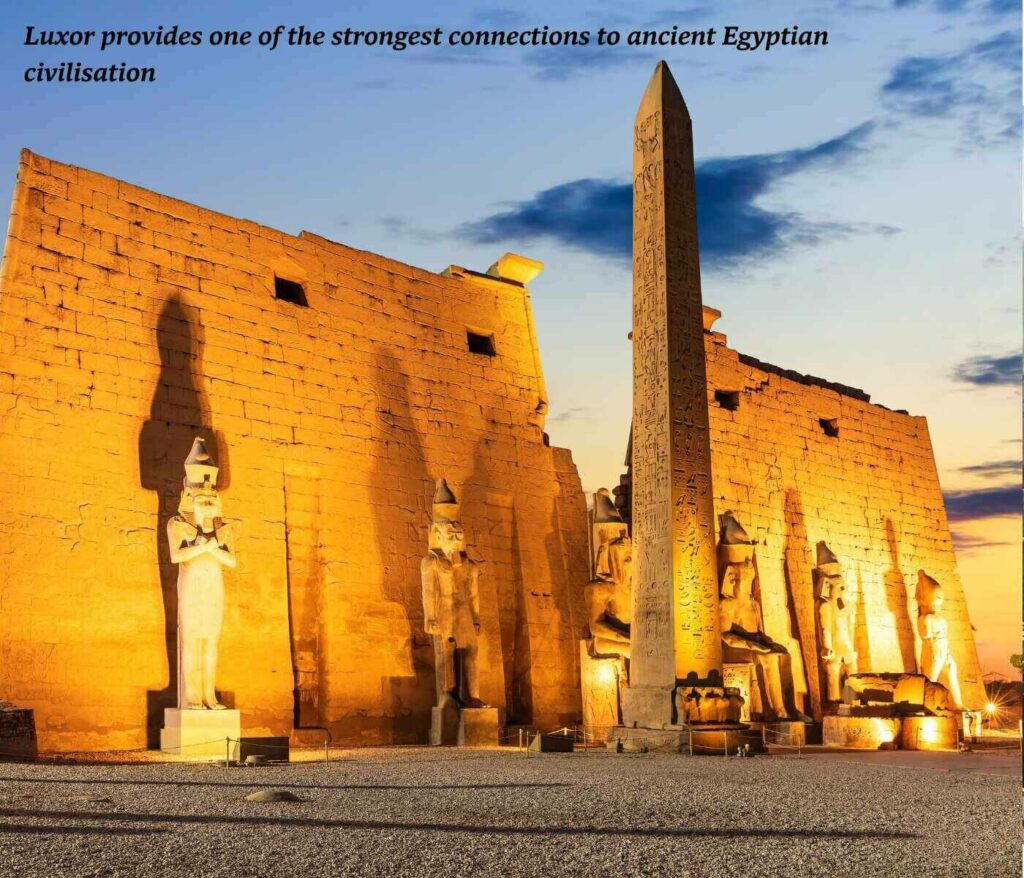
Luxor
Luxor provides one of the strongest connections to ancient Egyptian civilisation. The city developed around ancient Thebes, a powerful religious and political centre.
The East Bank reveals temples that once hosted major ceremonies, while the West Bank contains royal burial sites carved into desert landscapes. Visiting both areas allows travellers to better understand how Egyptians separated spaces for worship, daily life and the afterlife.
For a structured way to explore the country’s historic sites and understand their wider context, an Egypt tour combines archaeological insight with exploration beyond the headline attractions.
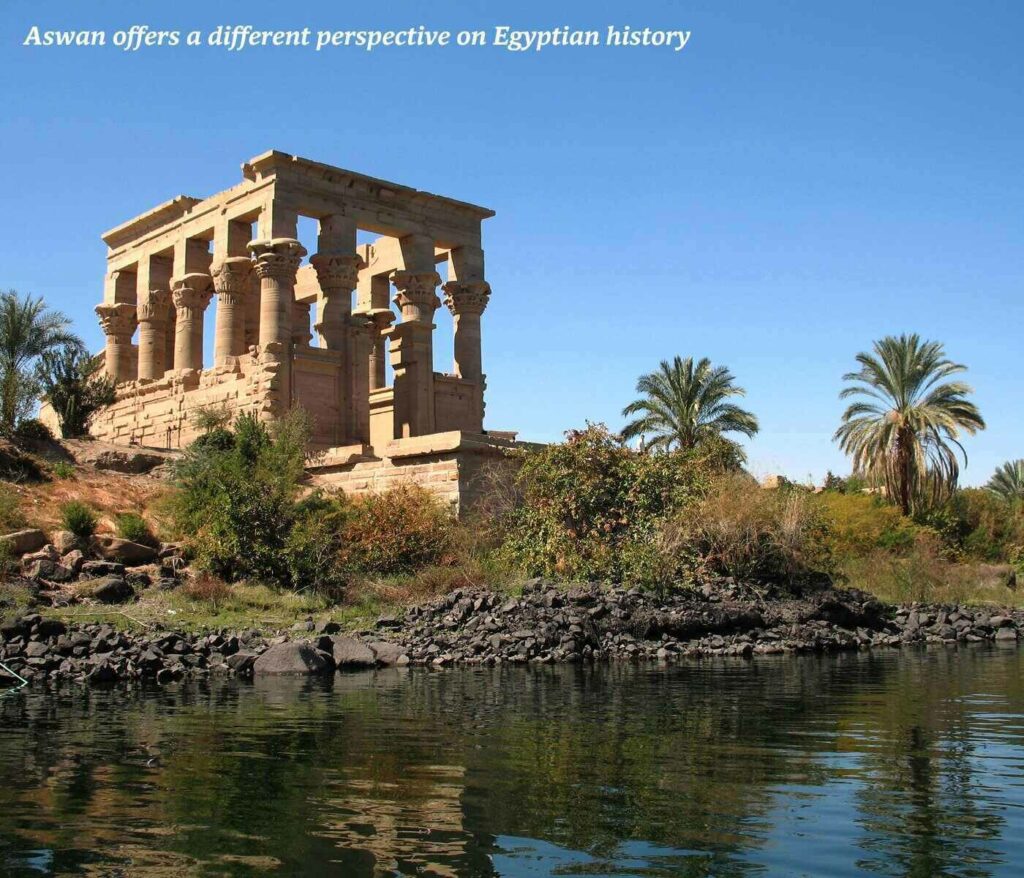
Aswan
Aswan offers a different perspective on Egyptian history. Located near the southern border, the region has long been connected with trade routes and Nubian culture.
The region reflects the movement of people, goods and ideas along the Nile, which helped shape local identity. Exploring Aswan brings these connections into focus, from ancient monuments and the river itself to the Nubian communities that remain an important part of the region today.
Ancient Egyptian traditions
Egypt’s history is not confined to museums and archaeological sites. Its long past still shapes aspects of everyday life, from customs and celebrations to food, crafts and family traditions.
Modern Egyptian culture has been shaped by successive influences, including ancient Egyptian heritage, Islam, Arab traditions and the distinct identities of different regions. Spending time in local communities offers a more immediate way to see how these influences have evolved and continue to shape life in Egypt today.
Architecture
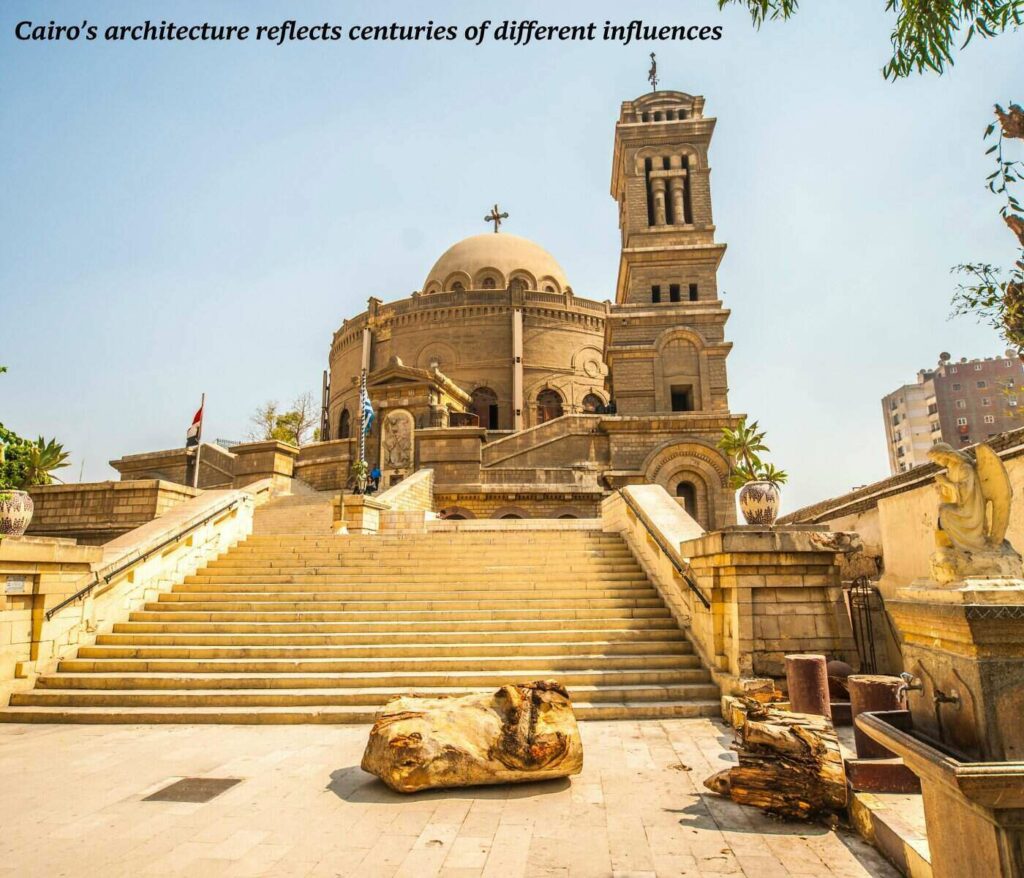
Egyptian cities reveal layers of architectural and cultural influence. In Cairo, historic neighbourhoods bring together Islamic architecture, traditional homes and markets that have served local communities for generations.
Exploring these areas offers a different perspective from Egypt’s major monuments, showing how people have lived, worked, traded and gathered across the centuries.
Traditional crafts
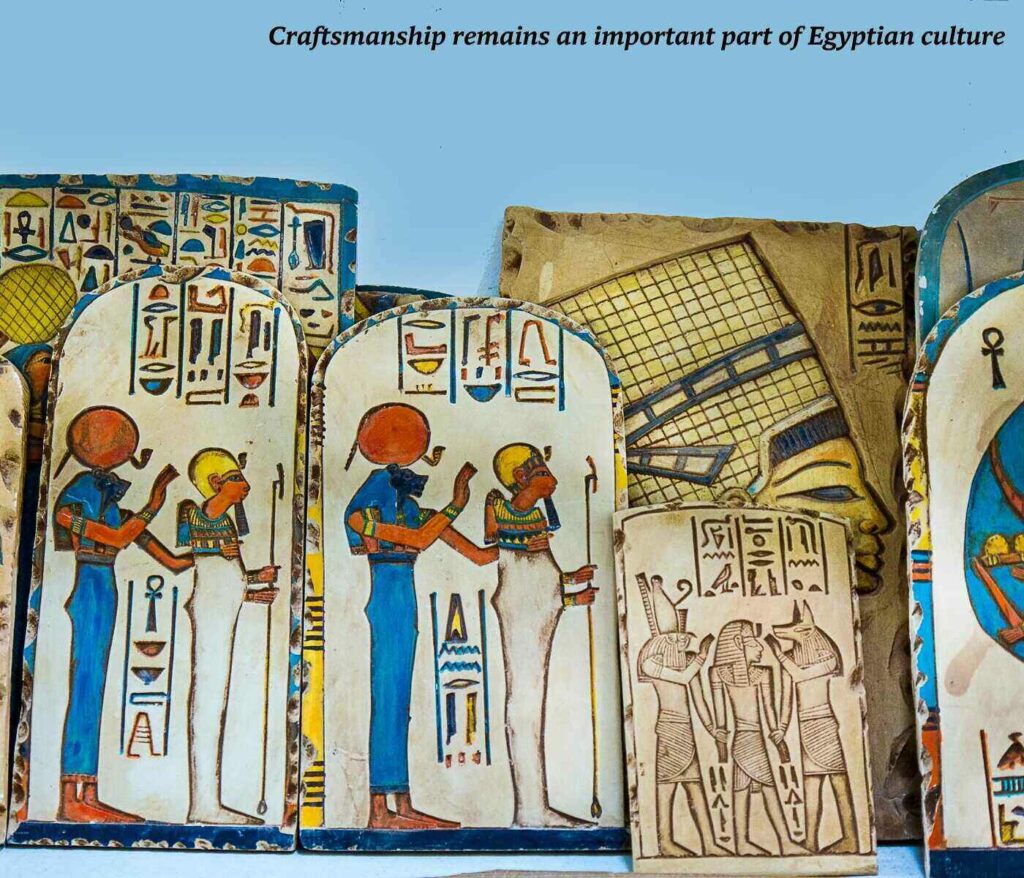
Craftsmanship remains an important part of Egyptian culture. Many communities continue producing handmade goods using techniques passed down through families.
Traditional crafts include:
- Handwoven textiles with regional designs
- Handmade pottery and ceramics
- Metalwork and decorative items
- Artisan products created using traditional methods
Whether you’re shopping for traditional crafts or simply learning about how they are made, they offer a unique insight into the connection between creativity, heritage and local economies.
Social customs
Egyptian hospitality plays an important role in daily interactions. Sharing food, conversations and traditional drinks often creates meaningful experiences for visitors.
Understanding local customs allows travellers to interact respectfully and appreciate Egyptian culture beyond surface-level observations. Simple moments, such as sharing a cup of mint tea or karkadeh, sampling koshari or ful medames, or sitting down for a conversation with a local family, can offer a glimpse into everyday life.
Egypt’s regional identities
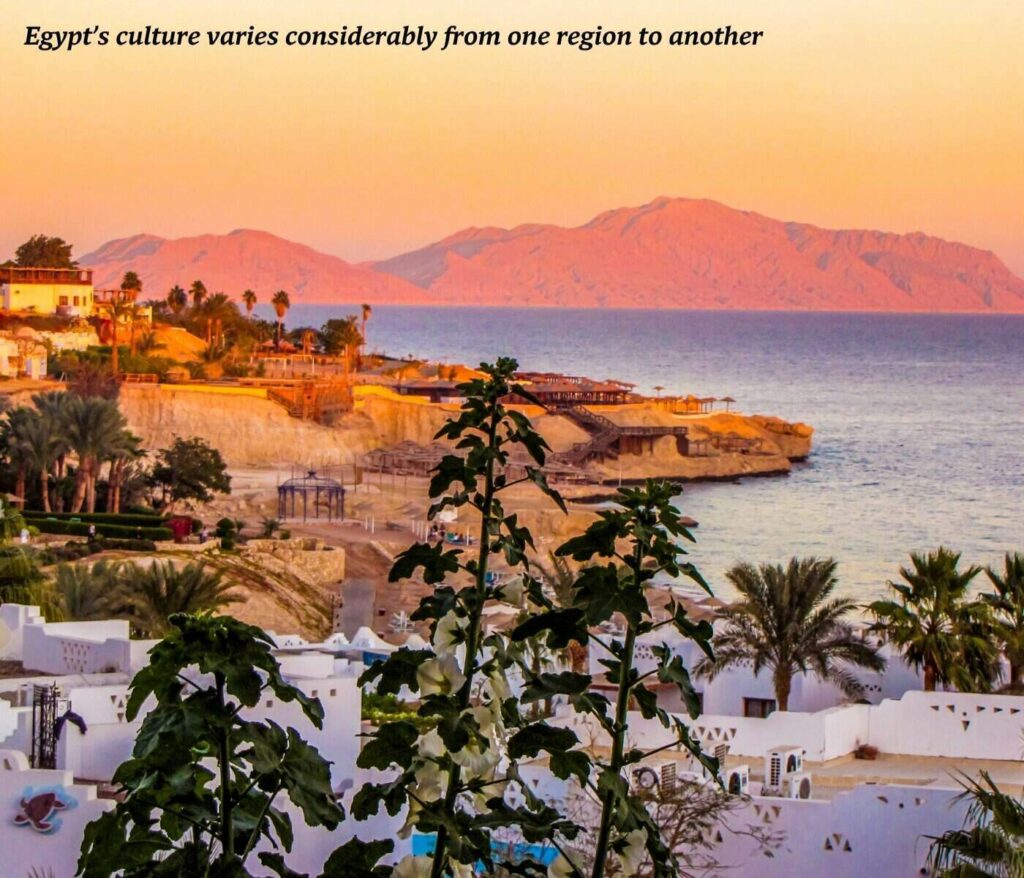
Egypt’s culture varies considerably from one region to another. Each area has its own traditions, landscapes and historical influences, shaped by its geography and connections with the wider region.
- Recommended reading: welcome to Fez
Nubian communities along the Nile
Nubian culture is an important part of southern Egypt’s identity, with communities preserving distinctive traditions in architecture, music, crafts and cuisine.
In and around Aswan, visitors can see brightly painted Nubian homes, visit local villages and learn about traditions shaped by generations of life along the Nile. These experiences offer a perspective on southern Egypt that differs from insights gained by exploring the country’s better-known archaeological sites.
Alexandria and the Mediterranean influence
Alexandria offers a distinctly different perspective on Egypt. Its position on the Mediterranean brought centuries of interaction between Egyptian, Greek, Roman and other Mediterranean cultures, leaving a visible mark on the city.
Its museums, historic architecture and waterfront reflect Alexandria’s long history as a centre of learning and cultural exchange.
Siwa Oasis and desert traditions
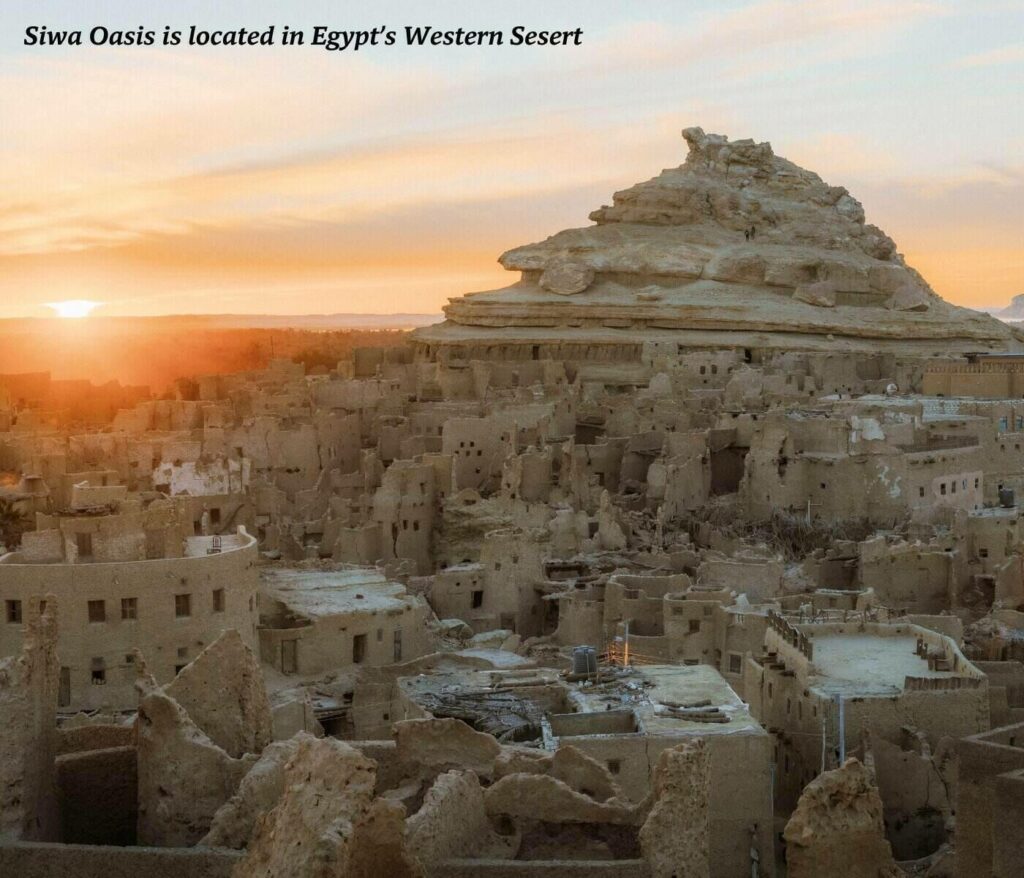
Located in Egypt’s Western Desert, Siwa Oasis has a distinct cultural identity shaped by its isolation and long-standing Amazigh (Siwi) heritage. The oasis is known for its palm groves, salt lakes, mud-brick architecture and traditions that differ from those found in the Nile Valley and major cities.
For visitors, Siwa offers a chance to see how communities have adapted to life in one of Egypt’s most remote environments, from the architecture and agriculture of the oasis to local customs and everyday life.
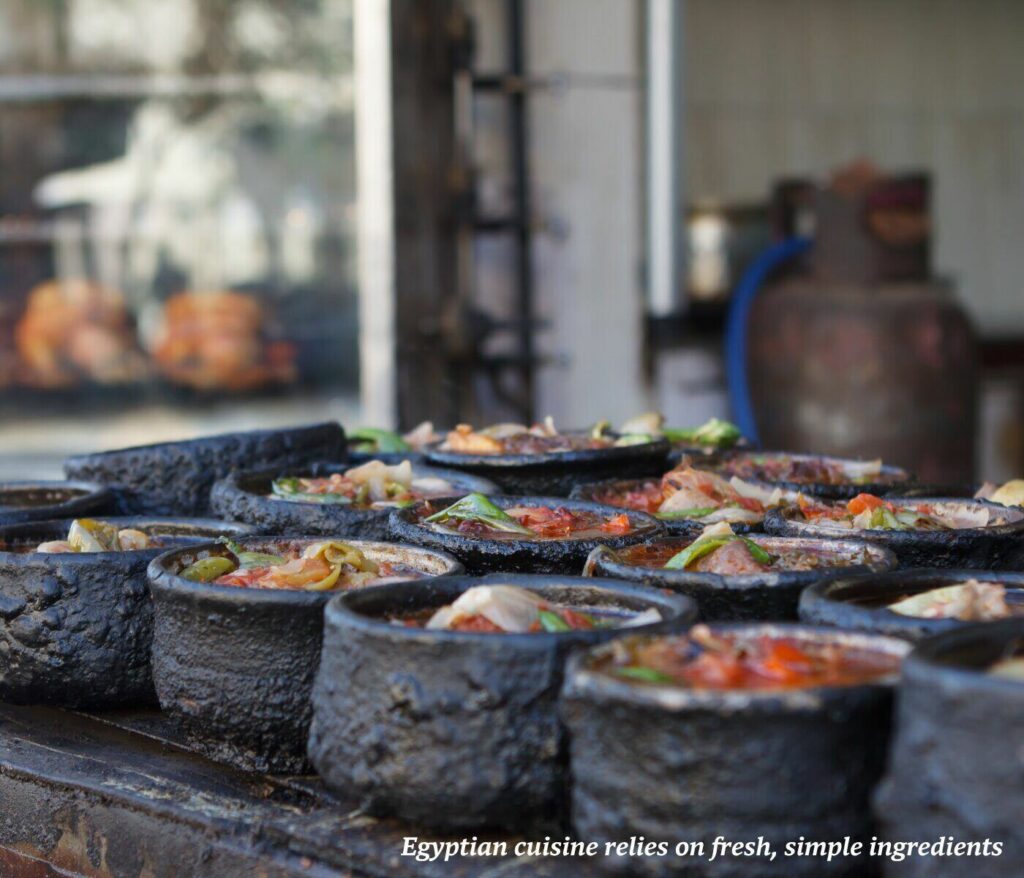
Egyptian cuisine as a reflection of history
Egyptian food combines local ingredients with influences from different civilisations that passed through its regions.
Traditional dishes often rely on simple ingredients but carry deep cultural meaning. Meals are closely connected with family gatherings, celebrations and community life.
Popular examples include:
- Koshari: a dish combining rice, pasta, lentils and sauces.
- Ful medames: a traditional dish made from cooked fava beans.
- Fresh baladi bread: a round, wholewheat flatbread that is a staple at Egyptian meals and is often used to scoop up dips, beans and stews.
- Sayadeya: a coastal dish of seasoned fish served with spiced rice and fried onions, particularly associated with cities such as Alexandria and Port Said.
Sampling local cuisine allows travellers to understand Egypt through flavours that have developed over centuries.
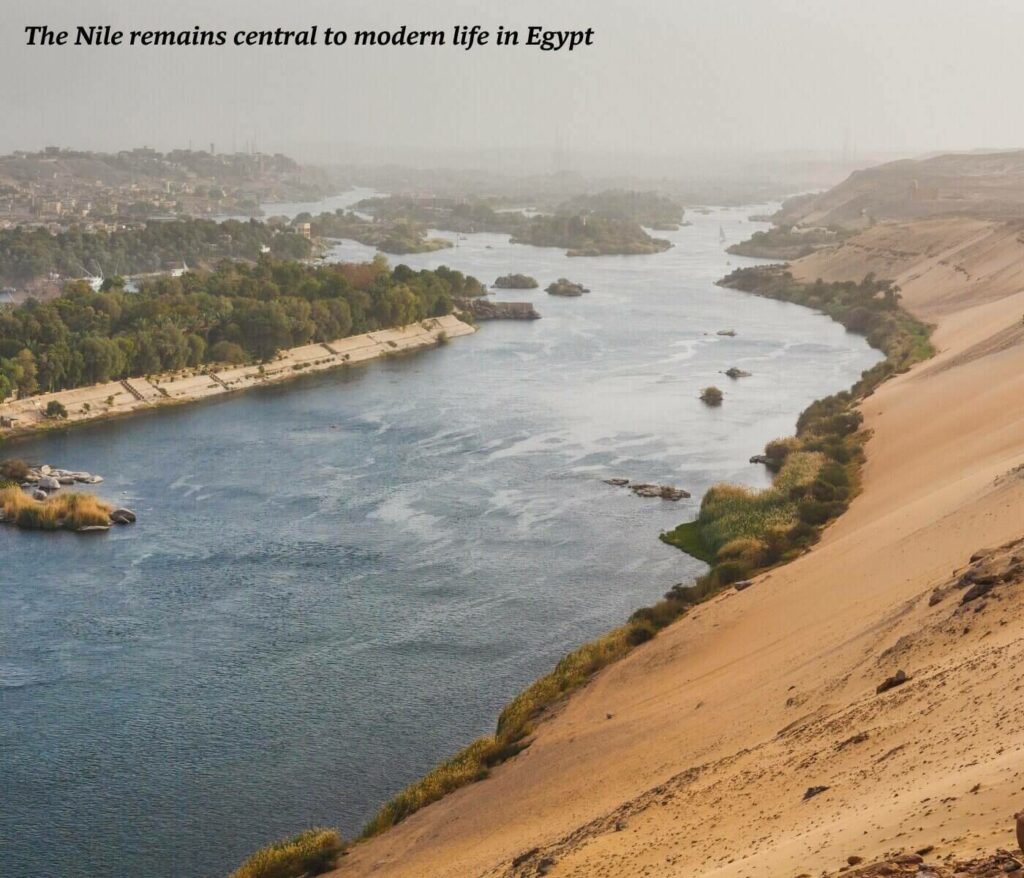
Why the River Nile matters
The Nile is central to understanding both Egypt’s history and its modern life. For thousands of years, the river has shaped where people settled, how they farmed and how towns and cities developed.
Ancient Egyptian settlements grew along the Nile because it provided water, fertile land, transport and food. Temples and cities were built along its banks, linking religious and political centres with the communities that depended on the river.
That relationship is still visible today. Travelling through the Nile Valley, visitors can see ancient temples alongside farmland, villages and working riverbanks, where agriculture and everyday life remain closely tied to the water.
What are you waiting for?
Egypt offers a chance to see how the past and present exist side by side. Its pyramids and temples are part of a much larger picture that includes markets, villages, cities and communities shaped by centuries of history.
Exploring the country’s historical sites alongside its cuisine, traditions and regional cultures gives travellers a fuller understanding of Egypt and the people who live there today. The result is a more rounded experience – one that puts the country’s famous sights into their wider context.