
The Best Places to Travel in 2026
Where will you go this year?
From the dunefields of Mauritania to the medieval streets of Kėdainiai in Lithuania, this is our list of the best places to travel in 2026.
The best places to travel in 2026
It’s that time again, when we at Bradt gather to compare notes, relive the journeys that stayed with us, and argue the merits of far-flung favourites and quietly compelling newcomers.
After heated discussion, we’re ready to reveal our list of the best places to travel in 2026.
This year’s selection reflects the growing appetite for meaningful travel that offers something more than a relaxing break – travel that’s also stimulating and revelatory. These are places where landscapes and cultures leave a lasting impression, whether you’re treading new ground or revisiting a classic destination with fresh eyes. Some earn their places because they are celebrating anniversaries or hosting particular events worth considering in 2026. Others are destinations we feel deserve their time in the spotlight simply because they have so much to offer.
As ever, our aim is simple: to spark ideas, fuel daydreams and point you towards adventures you’ll remember long after you return.
Get the guides
Before you delve into the list, check out the guidebooks that inspired it…




Madagascar: it’s back on the map – and you can make a difference
It’s no secret that Madagascar holds a special place in our hearts here at Bradt, and the country has featured on our list of the best places to go on more than one occasion.
But in 2026, visiting Madagascar will be more meaningful than ever. Following a challenging 2025, when political protests disrupted travel and severely affected the tourism economy, the country is once again welcoming visitors. For travellers, that means the chance not only to enjoy one of the world’s most extraordinary destinations, but to do so at a time when your presence – and your spending – will make a genuine difference to local communities and small businesses that lost vital income.
Since 1985, Remote River Expeditions – Madagascar has been creating truly unique vacations and quality tours catering to all ages and interests.
East Meets West – Contrasts of Madagascar © allows you to discover the best of both coasts: the exotic rain forest of the east and the unique flora and fauna of the dry western forest, experiencing the striking cultural diversity of the island continent as you go. Tours range from 10 to 20+ days (with or without 2 nights camping on the Tsiribihina River) and prices start from £110pp per day. Find out more here.

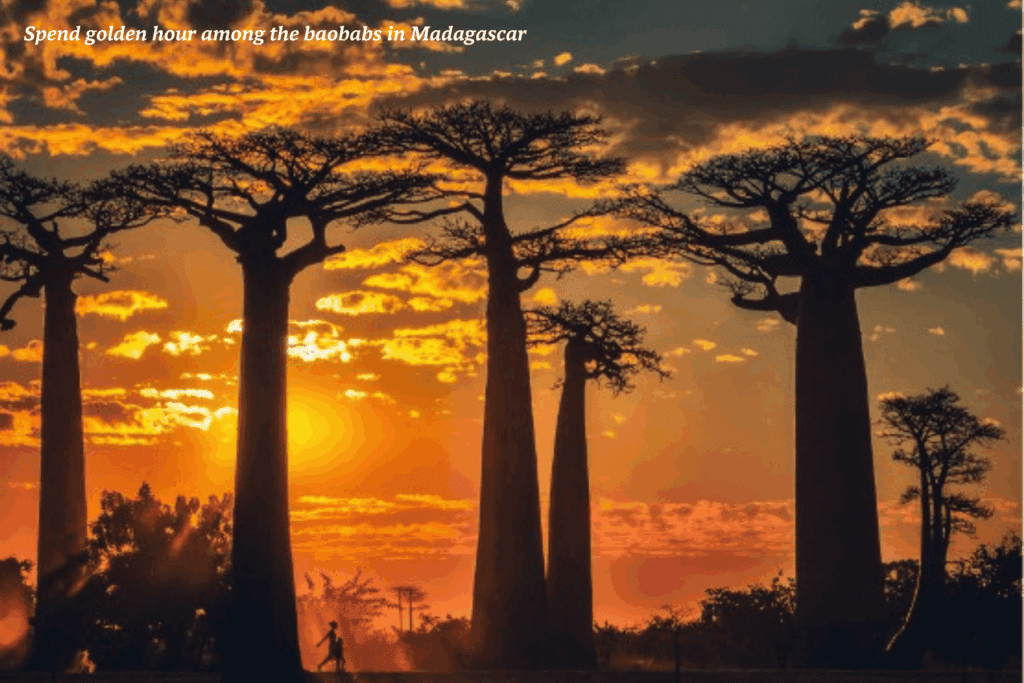
Watch the sun sink below the horizon, painting the sky in yellows, orange and gold between the towering silhouettes of ancient baobab trees. Weave through the mountainous terrain of Ranomafana National Park, spotting black-and-white ruffed lemurs as you ascend above the canopy. Or unwind on the shores of Nosy Be, coconut in hand.
The varied highlights come one after another. Explore Tsingy de Bemaraha National Park, a UNESCO World Heritage Site, after a relaxing calm water float on the Manambolo River. Attend a famadihana in the highlands – a traditional Malagasy burial ceremony – and learn more about the culture that makes this country special. Savour the smoky flavours of tsaramaso served on a roadside in Antananarivo.
Whether you’re exploring, relaxing, or diving into local life, the ‘Eight Continent’ is guaranteed to leave a mark.
How to explore Madagascar
There are no direct flights to Madagascar from the UK. Air France flies from several UK cities via Paris three times a week, or Kenya Airways is generally a cheaper option with flights from London Heathrow via Nairobi most days. There are several carrier options including Turkish Airlines, Ethiopian, Airlink, Air Mauritius, and Corsair.
Public transport in built-up areas is improving. Though most visitors opt for hiring a car with an English speaking driver that knows the routes and timing for navigating the sometimes difficult terrain. Madagascar Airlines also operates flights throughout the island.
Weather conditions and rainfall vary greatly depending on the region. Broadly speaking, the dry months are in the winter between mid-May and late-November. September and October are the busiest months of the year. Popular places may be crowded during the Christmas and New Year period when it can be more difficult to secure accommodation and excursions.
Find out more in our guide to Madagascar and our guide to Madagascar’s wildlife.
Chilean Patagonia: explore a new frontier
There is never a bad time to visit Chilean Patagonia. Wild, dramatic and endlessly enticing, this unique region draws the most intrepid of travellers. The kind of people who welcome the challenge of summiting icy Andean peaks, sailing across glacial lakes and immersing themselves in an environment nearly unrivalled in its immensity.
But 2026 promises something particularly special. Later this year, Cabo Froward will join the ranks of Chile’s existing 46 national parks, inviting visitors to explore 1,700km of wildlife stretching to the southernmost point of continental South America. A pristine frontier of rugged shorelines and lush canopies, Cabo Froward is Patagonia at its best: fierce, untamed and exciting.
Pura Aventura offers tailored holidays to Torres del Paine, Chile. Their most popular example is an exclusive two week self-drive itinerary from the Straits of Magellan to Torres del Paine both east and west – glaciers to pumas.
The hospitality and culture are as spectacular as the soaring mountains and wildlife. From £6,150pp. Find out more here.

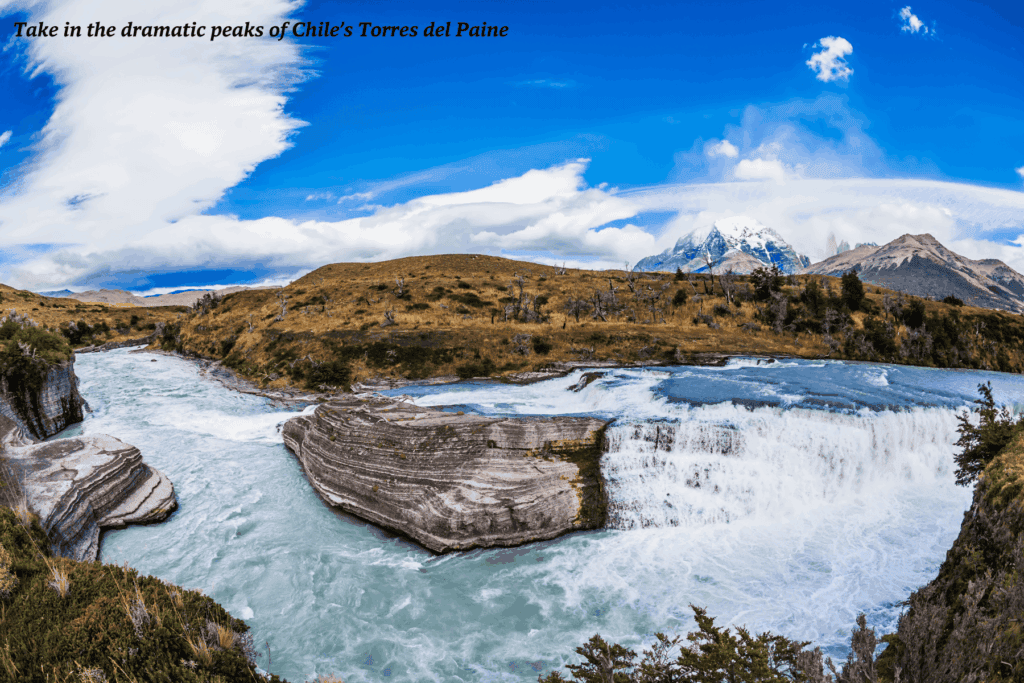
Interested in the more classic highlights? Torres del Paine never disappoints, offering picturesque hiking around its three granite spires and countless wildlife-watching opportunities. Spend days lingering on the steppe, watching guanacos roam, and looking for any signs of an elusive puma. In the evening, retire to a traditional ranch where you’ll experience what life is like for the generations of Patagonian gauchos that have lived and worked in the region.
Chilean Patagonia is a land of untamed adventure, where every hike, sail, and encounter with wildlife leaves you wanting more.
How to explore Chilean Patagonia
To reach Chilean Patagonia from the UK, fly to the capital Santiago and then take an internal flight to either Puerto Natales, Punta Arenas or Puerto Montt depending on where you intend to start your explorations.
Chilean Patagonia is beautiful throughout the year, but the period between October and April promises mild weather and long daylight hours ideal for exploring on foot.
Once you’re on the ground, driving around Punta Arenas, Puerto Natales, and Torres del Paine is easier than you might expect. Paved roads are common, and navigation is straightforward thanks to decent signage located throughout the area.
Inside Torres del Paine and further south beyond Punta Arenas is a different story. Here is where the tarmac stops, and the adventure begins. But these aren’t rutted tracks that’ll shake your fillings loose – they’re high-quality dirt roads carefully prepared for the arrival of curious travellers. Yes, you’ll be moving slowly, but that’s exactly how it should be. The scenery is magnificent, and rushing through it would miss the point entirely. Take your time and the drive becomes not just comfortable, but part of the experience.
Find out more about exploring Chile by car in our guide to driving the Carretera Austral.
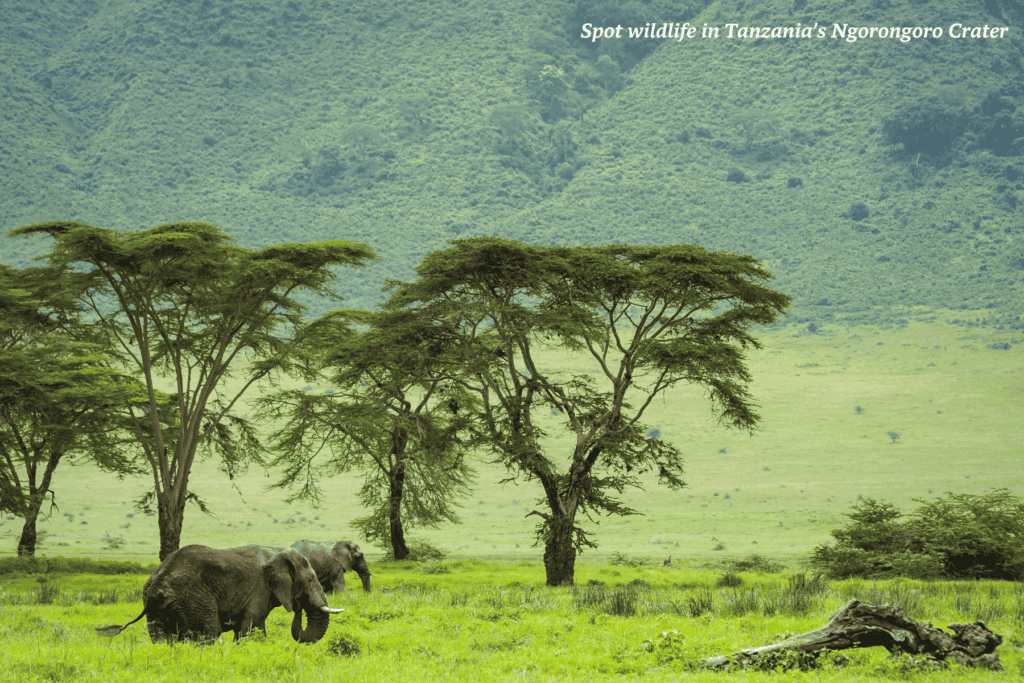
Tanzania: the best of both worlds
In 2026, Tanzania makes history as the first African country to host the World Travel Awards Global Grand Final, one of the most prestigious nights in world tourism. OK, that’s a bit niche and you might not be walking the red carpet yourself…but it shows deep trust in the country’s tourism infrastructure and makes a statement about Tanzania’s place at the top table of travel destinations. There’s never been a better time to explore it.
Few places on earth rival Tanzania for sheer variety. With over 130 languages and 125 ethnic groups, the country’s human diversity is astonishing – and endlessly fascinating. Why not spend some time with the Hadzabe people, their bows and arrows defining them as some of the planet’s last true hunter-gatherers? And then there’s the wildlife…the principal reason that most people choose Tanzania for a safari – a life-changing experience that will leave an indelible impression on anyone who visits.
Family-owned, family-run and 100% Tanzanian, Easy Travel Tanzania offer a huge variety of unforgettable safaris, including the 7-day Tanzanian Classic private tour, whose highlights include the awe-inspiring Ngorongoro Crater, Serengeti’s endless plains, and mighty Tarangire National Park for just £2422pp.
Astonishing wildlife experiences are guaranteed!

And, of course, it’s not just the incredible variety of animals, birds, reptiles and amphibians that will amaze you, but the settings in which you’ll encounter them. Perhaps the Mara River, with herds of wildebeest and zebra scrambling across the water as part of The Great Migration; or the Ngorongoro, an other-worldly volcanic crater where lions and hyenas might face off against each other over an antelope kill; or the indescribable Serengeti, with its endless plains playing host to nearly every species you can imagine.
Tanzania offers you all of this, and much more. A safari is exhilarating, but tiring – deserving of a generous portion of relaxing ‘downtime’. Just off Tanzania’s coast, the archipelago of Zanzibar offers that in spades (and buckets!). Fringed by white-sand beaches, the pristine waters of the Indian Ocean are bursting with marine life, simply perfect for snorkellers and divers.
An awe-inspiring safari, or a peaceful sun and sea getaway? With Tanzania and Zanzibar, you can simply choose both.
How to explore Tanzania
Most international visitors to Tanzania will fly into Jomo Kenyatta International Airport in Nairobi, Kenya, then take a connecting flight to Kilimanjaro International Airport, near Arusha – Tanzania’s safari hub. Our advice would be to take your safari first, then follow it with your ‘Zanzibar downtime.’ But alternatively, if you want your beach break first, you could fly directly into Dar es Salaam or Zanzibar.
Although Tanzania can be visited year-round, its dry seasons are best (from June to October, or between December to February). If you want to witness the Great Migration, your tour operator will advise you of the best itinerary.
Pack lightweight, moisture-wicking clothing for the warm climates, and a fleece for the surprising evening chills of the Ngorongoro Highlands. A good tour operator will provide a suggested packing-list to those planning a visit. And remember that while Tanzania will provide experiences which are simply unforgettable, a good camera is essential (to let you share the wonders with friends and family back home,) as is proper sunscreen and a sunhat.
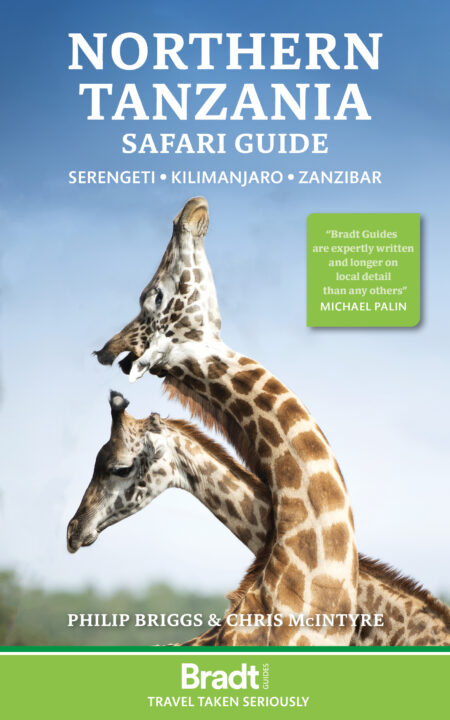
Find out more in our Tanzania safari guide, our guide to Northern Tanzania and our guide to Zanzibar.
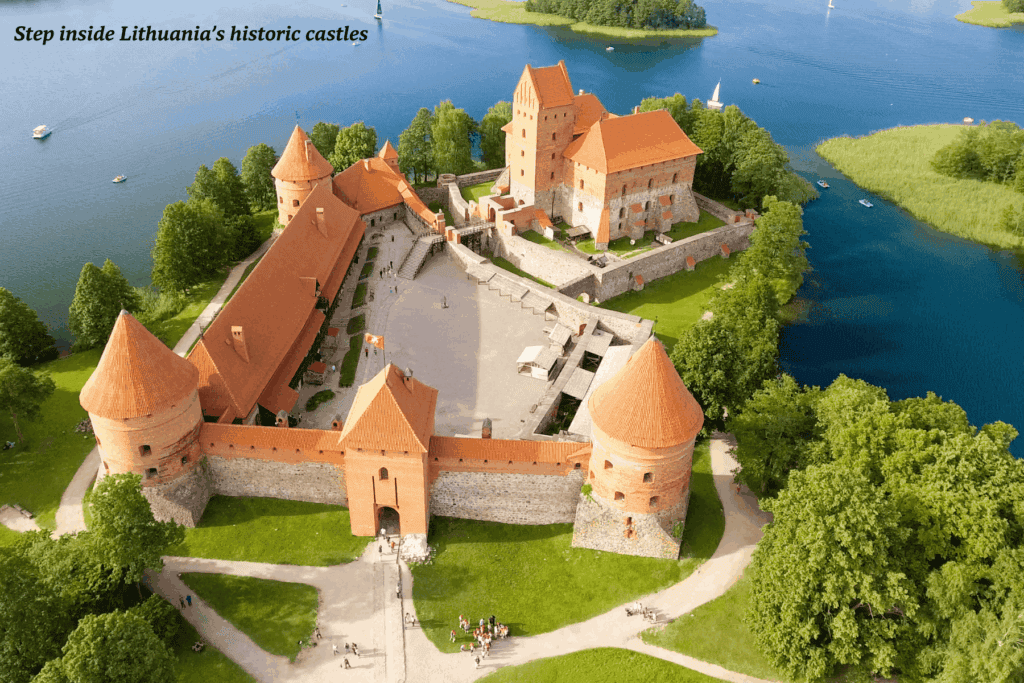
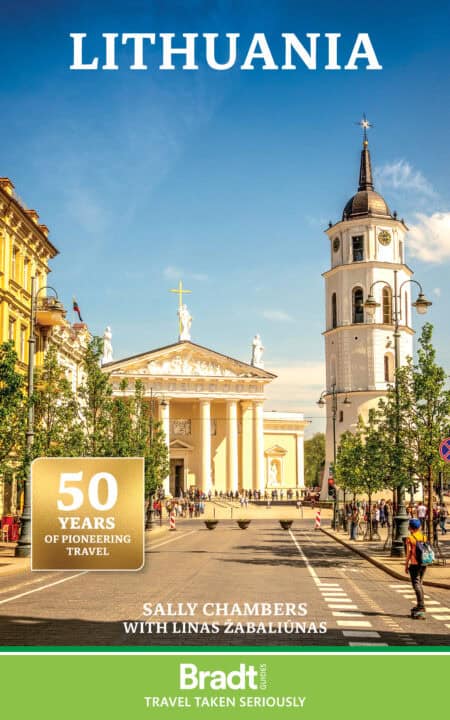
Lithuania: small but mighty
Very rarely does Lithuania receive the attention it deserves. Treated as a brief stop on a tour of the Baltics, this small country in northeastern Europe is consistently overlooked and underestimated.
Not anymore.
Vilnius is a capital with character, boasting street art splashed across medieval walls, cafés tucked into forgotten alleys and an independent spirit that’s difficult to deny. In Rumšiškės, visit the Museum of Lithuanian Ethnography, a charming reminder of bygone days. Explore five UNESCO World Heritage Sites, from the coastal Curonian Spit to the prehistoric settlement area of Kernavė Archaeological Site. Discover spectacular fortresses and 17th century palaces as you travel around the country’s many castles or enjoy the sea breeze as you wander the grand shoreline of Palanga.
Don’t miss Kėdainiai, one of Lithuania’s oldest cities and its Capital of Culture for 2026. Expect celebrations throughout the year, including festivals, concerts and theatrical performances at the brand-new Old Town Theatre.
Baltic Holidays are Lithuania specialists. Their ‘Week in Lithuania‘ tour can be tailored to suit and includes private guides, transfers and handpicked hotels. Prices start at £1,660pp.
For more in-depth touring, their Lithuania Highlights Private Tour is 13 nights, and visits lesser-known sights. Prices start at £2220pp.

And finally, beyond its cities and landmarks, vast pine and birch forests blanket nearly a third of the country, with ancient woodland trails winding through Aukštaitija and Dzūkija National Parks, where nature remains deeply woven into everyday life.
Lithuania may be small, but it is also mighty. At its heart lies a rich heritage of traditions, culture and a national identity that appeals to anyone interested in exploring a destination’s roots. With a programme of festivals and events in Kėdainiai to celebrate its cultural year, 2026 is the moment to visit not only Vilnius but the country beyond, and to discover a destination whose depth far exceeds its size.
How to explore Lithuania
Lithuania is predominantly served by low-cost airlines for direct flights throughout Europe. Ryanair is often the only choice unless you opt for a more expensive and longer indirect flight with a national carrier.
Once in the country, public transport is readily available and largely reliable. Alternatively, roads are well maintained making this a great destination for a self-drive holiday. It is also very easy to visit neighbouring Latvia and Poland by train or bus for those looking to extend their time in the region.
In recent years, Lithuania has confidently become a year-round destination with amenities and entertainment to cater for all seasons. Visit in summer for long days and warm nights, or in autumn to see the country’s many forests turn golden.
A suitably stuffed suitcase will help you enjoy your time in Lithuania. If you plan to visit the countryside or woodland, insect repellent is essential as Lithuanian bugs have teeth and like to bite!
Find out more in our guide to Lithuania.
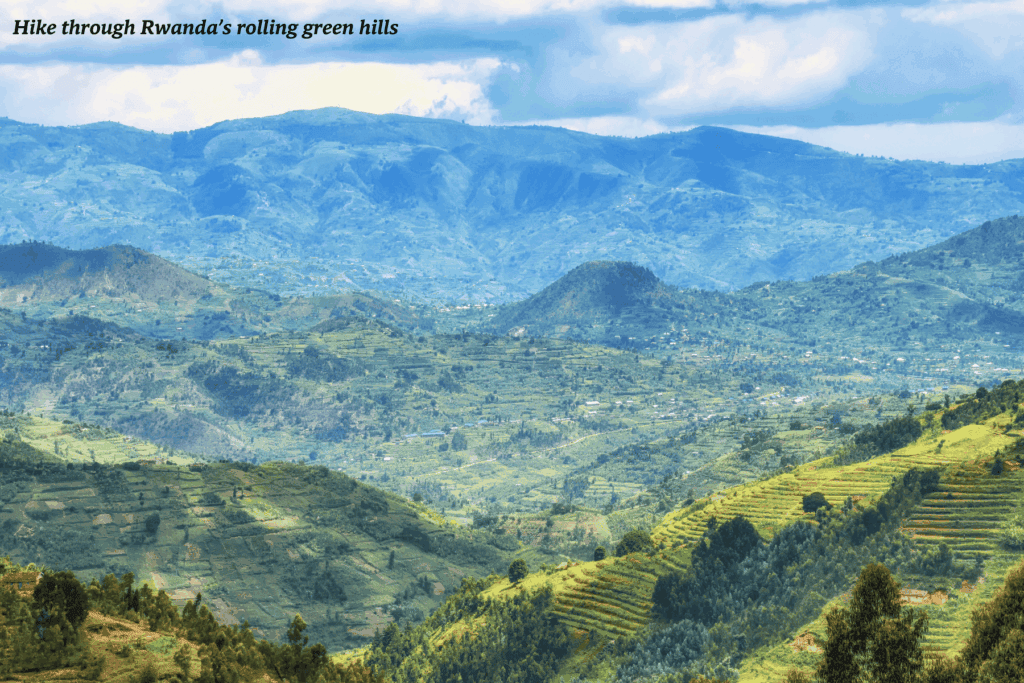
Rwanda: take to the sky and then mix with gorillas
Kigali, Rwanda’s capital, is poised for the spotlight in 2026 thanks to the opening of new attractions like the 50-metre-high Kigali Sky Wheel (offering a bird’s eye view of the city and its hillsides) and the hosting of the African Men’s Handball Championship.
And, once you’ve enjoyed a high-flying spin and some high-energy sport, you can spend time among the largest living primates on earth.
Gorilla tracking in this East African nation is world renowned. Visitors head to Volcanoes National Park for their chance to witness these magnificent animals emerge from the mist, foraging and resting on fern-covered hills. Reaching their habitat isn’t easy – it’s a tense ascent through fertile volcanic slopes into a hushed montane forest of dense bamboo skyscrapers – but it will be worth it. Coming face to face with a gorilla is one of the most remarkable wildlife experiences a person can have.
Manya Africa Tours runs safaris in the heart of Africa, through Uganda and Rwanda. A popular example is the Gorilla and Golden Monkey Luxury Safari through Rwanda, which includes 4 nights, full-board, luxury accommodation.
Prices start at £4,274pp (based on two people sharing) and you can find the full details here.

Elsewhere, you’ll find flamingos on the shores of Lake Kivu, chimpanzees swinging through the trees of the immense Nyungwe Forest National Park and an endless succession of mountains that have justifiably earned Rwanda the soubriquet ‘Land of a Thousand Hills.’ But that’s not all. Beyond the flora and fauna, travellers can visit the grave of Dian Fossey or the Karisoke Research Center to learn about her pioneering work in gorilla conservation. And at the Iby’Iwacu Cultural Village, you’ll experience the realities of rural life for Rwandans, spending time with local people in their own environment.
How to explore Rwanda
The rapidly expanding national airline RwandAir flies between Kigali and London Gatwick via Brussels several times a week. In many cases, there is no need to disembark the plane in Belgium, making this the most efficient option for most travellers.
On the ground, several travel agencies in Kigali rent out saloons and 4x4s, with or without drivers. Rates vary according to whether you’ll be driving outside Kigali, and whether fuel is included. Roads are generally good but there are still some pot-holed sections along most routes which, together with the winding terrain and the tendency for Rwandans to drive at breakneck speeds and overtake on sharp or blind corners, necessitate a more cautious approach than one might take at home.
Rwanda can be visited at any time of year. However, the dry season (June to September) is the best time for tracking gorillas in the Volcanoes National Park and for hiking in Nyungwe Forest, since the ground should be dry underfoot and the odds of being drenched are minimal.
Find out more in our guide to Rwanda.
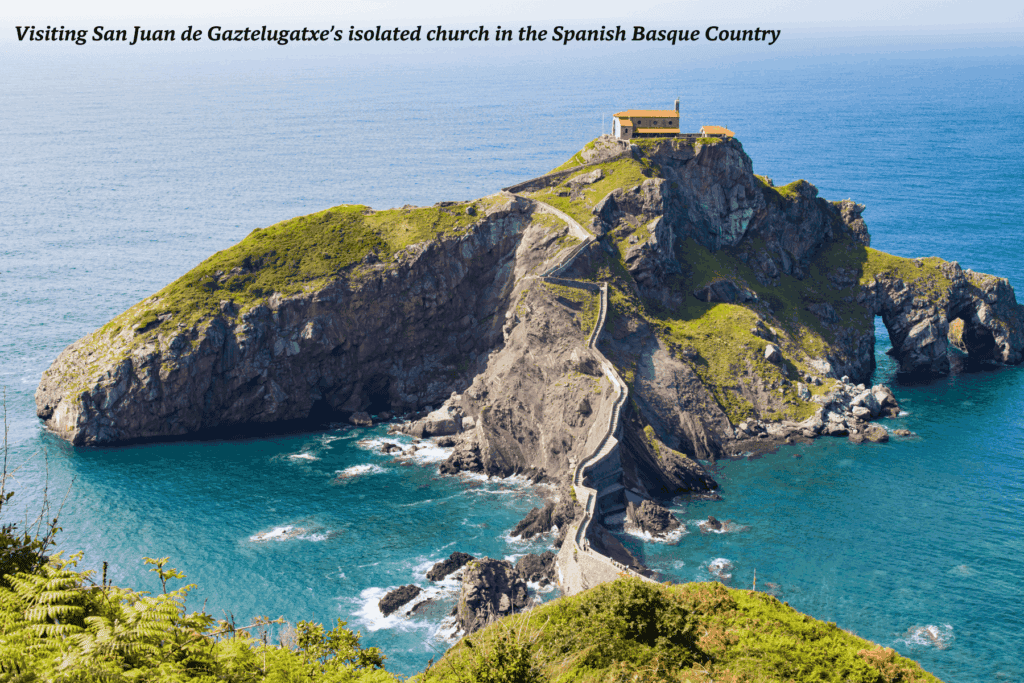
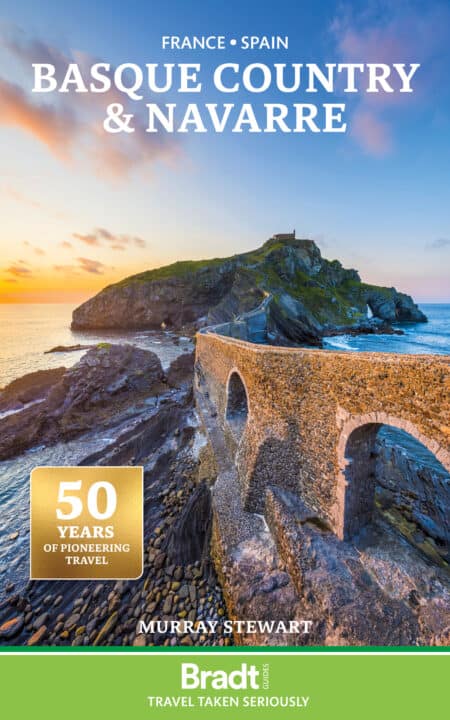
The Basque Country: the ultimate grand tour
Any fans heading to this year’s European Rugby Champions Cup Finals in May – being hosted in Bilbao – should take the opportunity to stick around afterwards and explore the region properly on an eight-day ‘Grand Tour’. The Basque Country is known for its proud and independent culture, and you’ll get the chance not only to savour its gastronomy and meet its people but to explore its coastline, mountains and rivers, and delve into its fascinating history.
Start eastwards from Bilbao, skirting the rugged shoreline, visiting San Juan de Gaztelugatxe’s isolated church, then drive inland to Gernika-Lumo – the profound, spiritual home of ‘Basqueness.’ Return to the Bizkaian shores, before heading inland through green countryside to the astonishing Loiola sanctuary, birthplace of Ignatius.
Taking the Grand Tour will give you an excellent taster of the region’s highlights. Fly to Bilbao (from £100 return from London; from the USA, there are high-season direct flights from Newark, from £700, otherwise route through Madrid or Barcelona.)
The Grand Tour’s driving distances average 120km daily – very relaxing. For more details of the itinerary, head to the official Grand Tour website.

Now it’s north again, then east through fishing villages, looping around to the French border to reach Belle Epoque San Sebastián. Here, several treats await, including the city’s Michelin-starred restaurants and the glorious sweep of La Concha bay.
The Grand Tour now takes you to Ordizia and its famous Wednesday market, before arriving at beautifully understated Vitoria-Gasteiz. Continue to Rioja Alavesa, a tranquil part of Basque Country with endless vineyards, medieval villages and the Frank Gehry-designed Marqués de Riscal winery. Don’t miss Laguardia, officially one of Spain’s most beautiful towns!
Now it’s west and north, to the Salt Valley of Añana and the jaw-dropping Salto de Nervión viewpoint. Reaching the coast again, swing east towards Bilbao once more, visiting Portugalete’s famous transporter bridge. For the final stage, drive inland again, soaking up beautiful countryside to finish in Vitoria-Gasteiz.
A whirlwind romance, yes, but the region is compact and distances are short, so fully embrace the ‘Slow Travel’ ethos. You’ve fallen in love…so you’ll be back, whether or not there’s a rugby match in town!
How to explore the Basque Country
Most international visitors to the Basque Country will fly into Bilbao and return flights from London cost around £100.
Bilbao’s airport is well-served by a regular, cheap bus service to the city centre. From there, visitors can connect by bus or rail to all corners of the region. But for the Grand Tour, a car is the most flexible option, so hire one, or bring your own from the United Kingdom on Brittany Ferries.
The Basque Country is part of ‘Green Spain,’ but with pleasant temperatures averaging 15°C across the year. July and August are the driest and sunniest months – and the busiest (full of festivals.) But there is always something interesting happening here, any time of the year.
Find out more in our guide to the Basque Country.
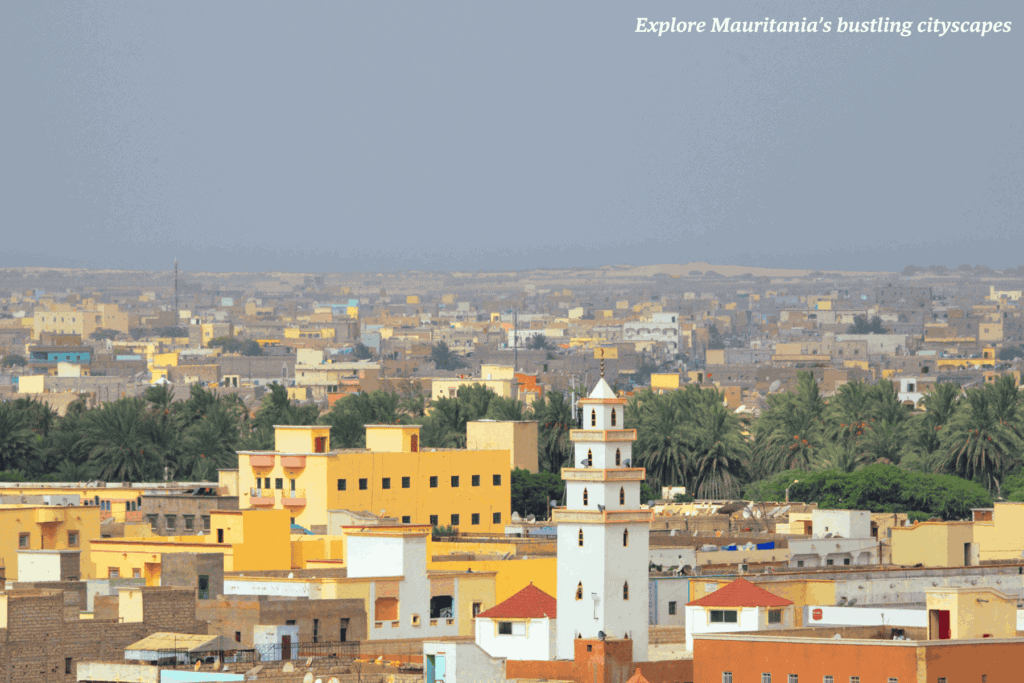
Mauritania: see a new side of Africa
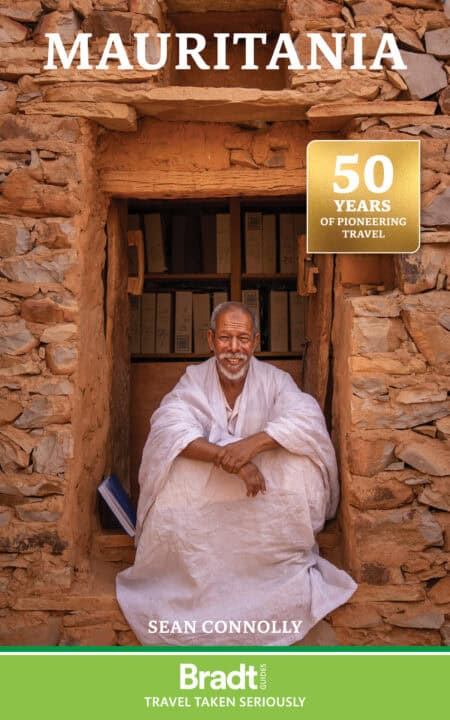
We’ve recently published the only guide to Mauritania – and we did that for a reason. While the country falls on a well-travelled route for overlanders heading south from Europe to start African trips, most travellers burn through to the southern border. They’re missing out – this is the year when we appeal to them to stick around.
Straddling the west coast of Africa for 700km between Western Sahara and Senegal, Mauritania occupies the threshold between North and sub-Saharan Africa but remains a world apart from either – neither Moroccan nor Senegalese, but with strong influences from both.
Those who choose to explore this country will find stone-built oasis towns tucked into dune fields the size of small countries; admire wild geological oddities like the Richat Structure (reputedly home to the lost city of Atlantis); enjoy a nearly uninhabited, wind-battered coast where you can sail between end-of-the-earth fishing villages in the Banc d’Arguin National Park or spend the night camping and sipping strong green tea on a cliffside in a traditional bedouin-style tent.
Mauritania is huge, hot, dusty – and a blank spot on the map of all but the most diehard Africa travellers. If you’re willing to accept the truly scorching midday sun and the occasional mouthful of sand, your rewards will be the profound silence of nights under the desert stars and the warm hospitality and curiosity of everyday Mauritanians.
How to explore Mauritania
Nouakchott is served by a handful of strategic routes for travellers, though isn’t overly well connected and coming from anywhere outside of Europe and Africa will require a change of planes, likely in Paris, Casablanca or Istanbul.
Though it’s possible to hire a car for self-drive in Mauritania, this is not a popular choice, as unless you’re an experienced off-road desert driver, you will be quite limited in how widely you are able to explore. Therefore, most visitors arrange their vehicles with drivers as part of a tour package, allowing you to get way out into the desert.
Tourism in Mauritania is highly seasonal, with November to March representing the core travel season. This is essentially a function of the weather, which is fiendishly hot at other times of year, when inland temperatures can crack 50°C during the day and only dip to about 30°C by night. But in the northern winter, the weather remains (relatively) cool and dry, offering hot but not unbearable days and reliably cool nights. The northern winter is also the ideal time for birders, as all the European migrants are in town.
Find out more in our guide to Mauritania.
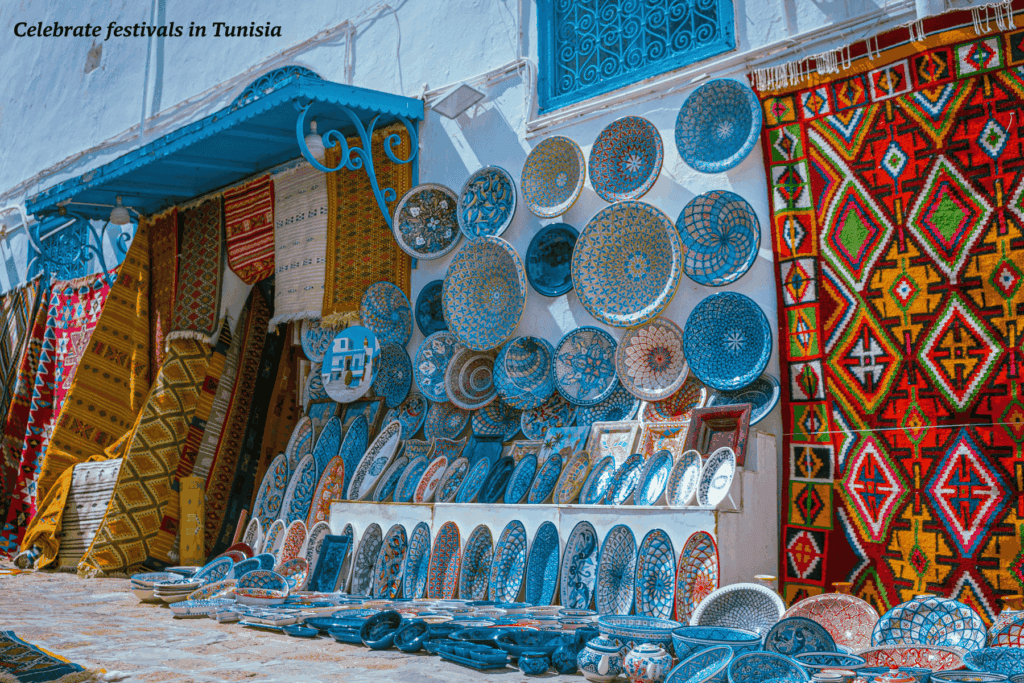
Tunisia: head for the festivals – and try our new app!
If you type ‘Tunisia’ into Google, you will no doubt find images of package beach resorts along the Mediterranean coastline or Orientalist images of camels on sand dunes. But this diverse country has much more to offer than that.
First, the breadth of landscapes. People come expecting to find rolling sand dunes and pristine white-sand beaches, and in this respect they will not be disappointed. But there are also snow-capped, pine-forested mountains in the northwest near the Algerian border, acacia trees, ostriches and herds of grazing oryx in Bou-Hedma National Park and the low-lying Kerkennah Islands where shallow, Caribbean-like waters teem with fish life.
Download the Bradt App
Explore on the go with the Bradt App.
Our guide to Tunisia is already available, alongside a growing selection of titles, with new destinations dropping every month.
What are you waiting for?


The country is also home to eight UNESCO World Heritage Sites, one of the highest tallies of any African country. These encompass a broad array of cultural and natural sites, including vast networks of pre-Roman and Roman ruins, excellent examples of historic Islamic architecture and a unique waterfowl habitat with a lake that is both freshwater and saltwater.
In 2026, Tunisia’s cultural calendar makes it an especially rewarding time to visit, with landmark celebrations such as the diamond anniversary of the Hammamet International Festival, alongside new additions including the International Arts Festival ‘Sunny Sparks’ in Sousse in April and the Tunisian Bachata Festival in Tunis in September. Better still, Tunisia is now available as a digital guide on our app, putting everything you need to explore the country right in your pocket.
How to explore Tunisia
Tunisia has an especially good network of flights to and from Europe. Between them, its three busiest airports (Tunis-Carthage, Monastir Habib Bourguiba and Enfidha-Hammamet) have direct flights to cities in more than 20 European countries including London. Consider flying into one airport and out of the other to minimise travel time.
Getting around Tunisia is straightforward, with shared louages (minibuses) and affordable intercity buses offering reliable links between most towns and cities. While domestic flights exist, distances are short enough that road travel or car hire is often the easiest and most flexible way to explore the country.
Generally, spring, early summer or autumn are the best times to visit Tunisia, though the country sees wild climatic variations throughout the year, ranging from snowstorms to sandstorms.
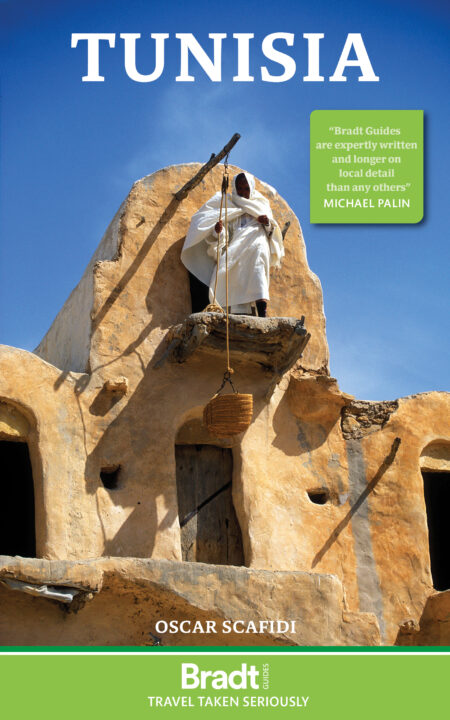
Find out more in our guide to Tunisia.
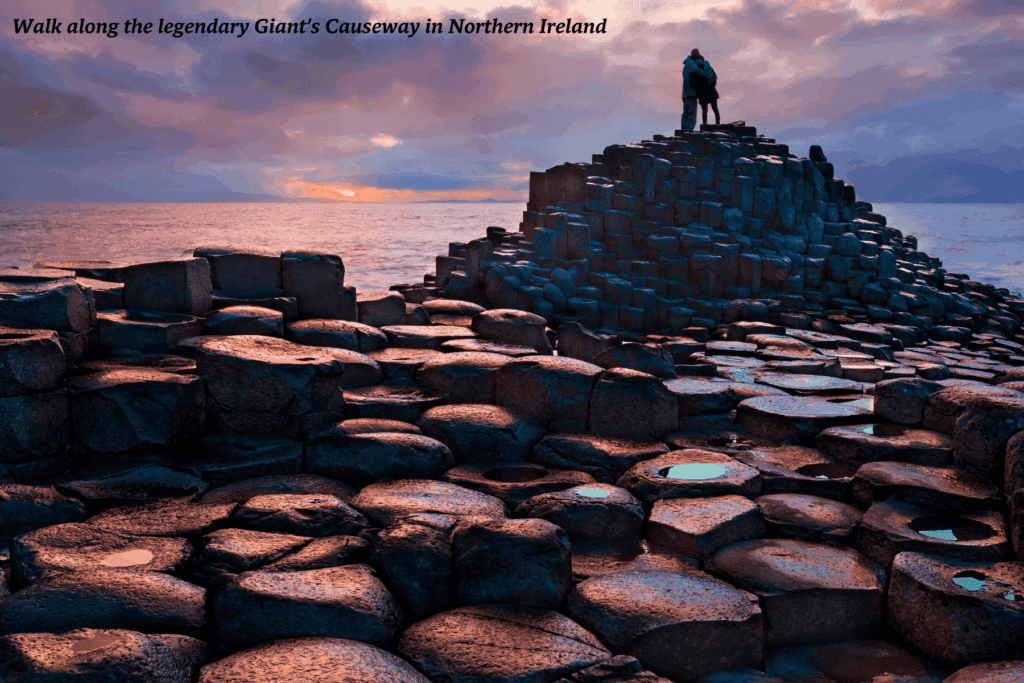
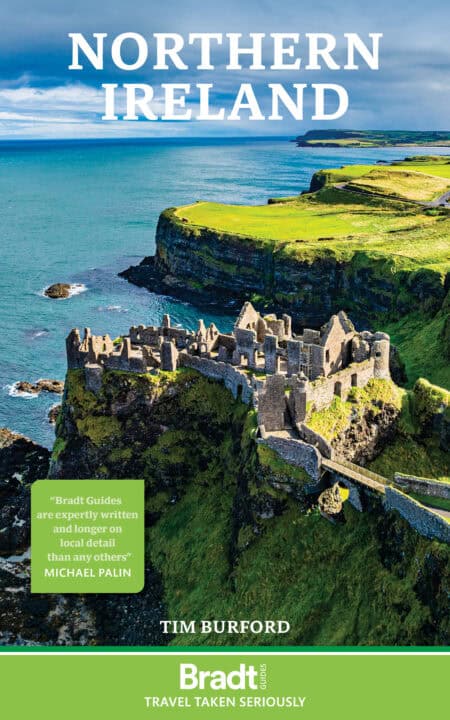
Northern Ireland: celebrate a ruby anniversary
It is 40 years since the Giant’s Causeway – the most popular visitor sight in Northern Ireland – was declared a UNESCO World Heritage site.
To mark this important anniversary in 2026, there will be enhanced geological tours, folklore story sessions, and interactive experiences. Wander through the otherworldly basalt columns, climb the rugged cliffs, explore hidden tidal pools, and feel wonderfully small among the towering stones that once inspired tales of giants.
Beyond the causeway, Northern Ireland has plenty more to offer. In recent years, Belfast has become a dynamic destination, casting off decades of introversion to produce great art, theatre, food and drink. Derry/Londonderry is a classic second city, with more than its share of creativity and welcoming hospitality. Enniskillen, the main town of the southwest, is set among loughs and rivers with many opportunities for boating; Newcastle, in the southeast between the sea and the Mourne Mountains, offers the best in outdoor activities; while Portrush, on the north coast, is a great centre for surfing, as well as easier coastal walking. In between these towns you’ll find rolling farmland, glistening lakes and welcoming people from all walks of life.
The country may not be large, but there’s plenty of variety to keep even the most curious of travellers busy. And with a brand-new Northern Ireland guidebook coming this March, visitors can explore all of this and more with expert information at their fingertips.
How to explore Northern Ireland
Most visitors will arrive in Belfast by air or ferry (including some ferries to Larne); alternatively, Derry has an airport. It’s also possible to arrive in Dublin and then travel on to Belfast by car, bus or train (stopping off in Newry is an option).
Northern Ireland has a remarkably integrated public transport system, although it’s still a work in progress. The trains are modern and comfortable, as are the Goldliner coaches, with USB charging, wheelchair lifts and a display of the next few stops.
Summers in Northern Ireland are not especially hot, so any time between April and October is good for visiting. Having said that, there can be rain at any time of year, and winter is likely to be colder and wetter than other seasons. St Patrick’s Day on 17 March is a time for everyone to enjoy the street parades and general carousing, in celebration of Ireland’s patron saint.
Find out more in our upcoming guide to Northern Ireland.
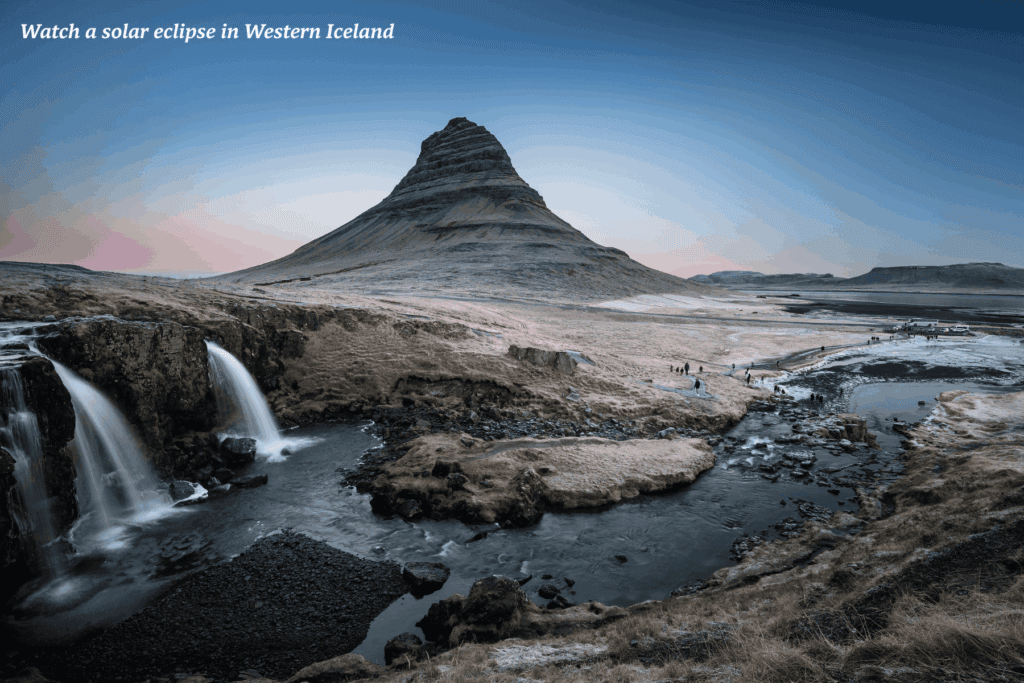
Iceland: the place to watch a solar eclipse
On August 12th 2026, several western parts of Iceland – including the Westfjords, the Snæfellsnes peninsula and the Reykjanes peninsula – will find themselves in the path of totality for one of the most-anticipated solar eclipses of the year.
While this spectacular celestial event will be visible from other countries too, Iceland is closest to the point of maximum eclipse, offering the longest duration of totality (2 minutes and 18 seconds).
As you’ll soon discover, travelling to Iceland is much less about sightseeing than it is feeling things you’ve never felt before – what it’s like to be the only person on earth, the startling emotion of being outnumbered by a million puffins or the thrill of watching the moon blot out the sun in a sky suddenly turned to twilight.
Iceland’s gargantuan nature can stir the soul or shake you in your boots. That plume of mist on the horizon could be steam from a hot spring, the salty breath of a spouting whale, the early wisps of a week-long fog or the conquering cloud of a massive volcano. From the black-sand beaches of Vik to the bubbling geothermal fields of Hveragerði, every corner of Iceland invites you to witness nature at its most raw and unforgettable.
How to explore Iceland
Flying to Iceland is the simplest and cheapest part of the journey. From the UK, airlines like Icelandair, easyJet, Play, British Airways, Jet2 and WizzAir offer regular connections to Keflavík airport from several London airports, as well as Bristol and Manchester.
Once in the country, flying is also the best way to see Iceland’s marvellous landscapes. With so few roads and such massive wilderness, an internal flight can show you what you cannot see on your own (so always request a window seat). Driving in Iceland also offers total freedom and is one of the most extensive means of travel in the country. Iceland has a car culture, so travellers who aren’t driving often feel stranded or limited.
You can visit Iceland at any time of year and have a wonderful time, but what kind of experience you have depends a lot on when you go. A trip to Iceland in July versus a trip to Iceland in December feels like two different countries. Plan ahead and think carefully about your priorities.
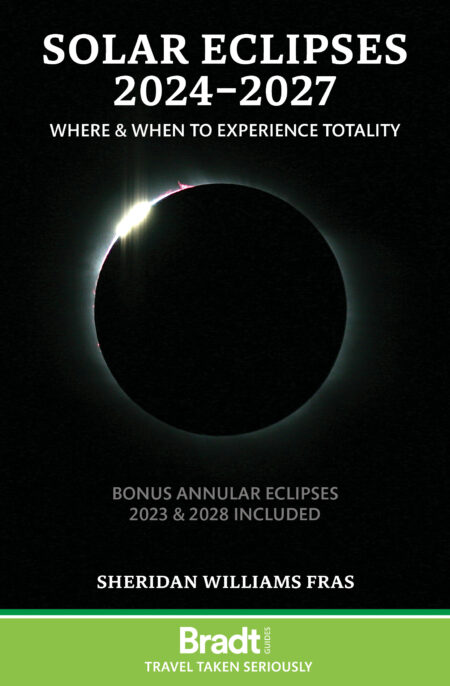
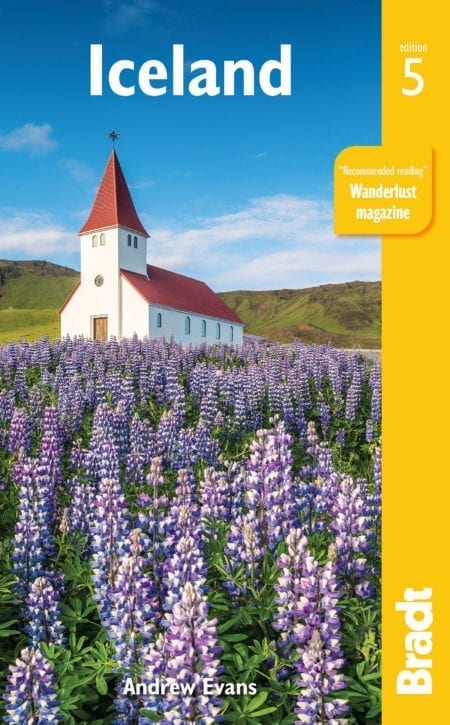
Find out more in our guide to Iceland and our guide to solar eclipses.
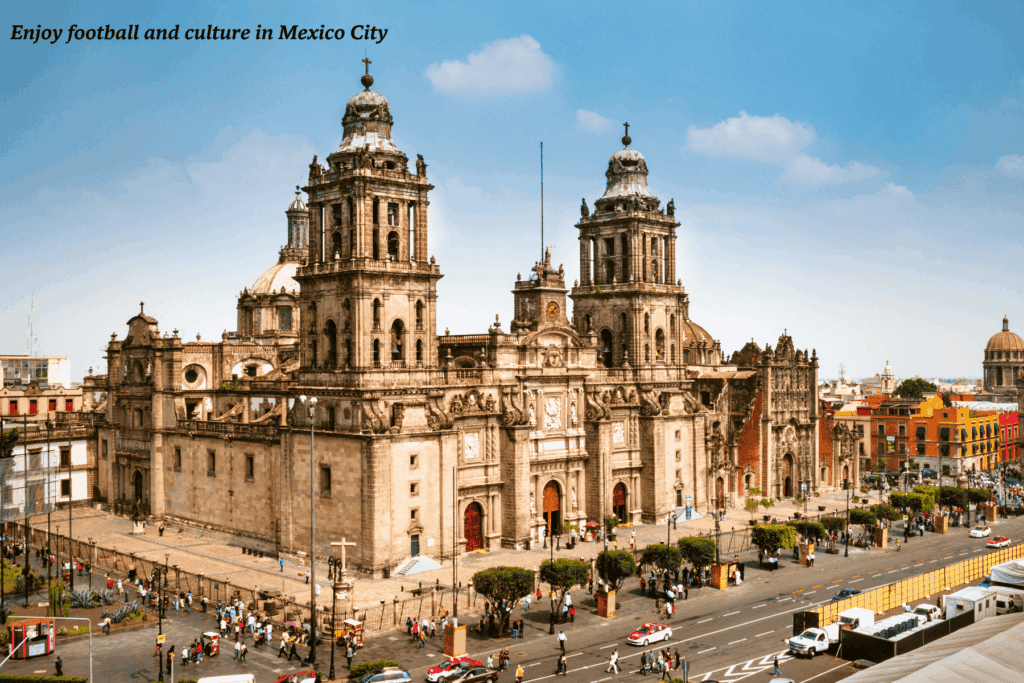
Mexico: it’s not just about the football
It’s the year of football in Mexico, thanks to the 2026 FIFA World Cup which will see dozens of matches take place in Mexico City, Guadalajara and Monterrey between June and July. Whether you’re a die-hard football fan or just in it for the excitement, there’s never been a better time to soak up the atmosphere for which this Latin American nation is famed.
Enjoy the electric energy of Mexico City, where you can while away an afternoon eating tacos al pastor from bustling street stalls and sipping artisanal mezcal in trendy cantinas. Venture to Oaxaca, where the streets are filled with the aroma of mole and extensive markets tempt even the most budget-conscious of travellers to purchase a handcrafted souvenir. Or spend time in small San Juan Chamula, where Mayan and Catholic traditions merge in a unique ritual at Iglesia de San Juan Bautista.
Of course, a trip to Mexico would be incomplete without spending time on its coastline. Take a dip in a cenote along the Yucatán Peninsula, catch waves in Puerto Escondido, or surf and relax in Sayulita. Prefer a lake to the sea? Bacalar is a charming town nestled in the jungles of Quintana Roo, where the bright blue waters of its iconic Lagoon invite travellers to unwind and take in the views, Michelada in hand and anxieties forgotten.
And last but certainly not least, step back in time amid the ruins and temples that define Mexico’s rich history. From the majestic pyramids of Chichén Itzá to the sprawling complexes of Teotihuacán, these impressive structures tell stories of ancient civilisations and inspire awe in every visitor.
- Recommended reading: the best places to go in Latin America
How to explore Mexico
You can fly to Mexico from the UK with direct flights available to Mexico City from London, or with one-stop connections via major European or US hubs.
Travellers can choose between several bus services (from budget-friendly local options to luxury first-class coaches) to navigate the length of the country. Alternatively, internal flights are popular among travellers looking to cover significant distances with limited amounts of time.
Visit between December and April when virtually no rain falls, or for fewer crowds and lower prices, consider the shoulder months of May, October and January.
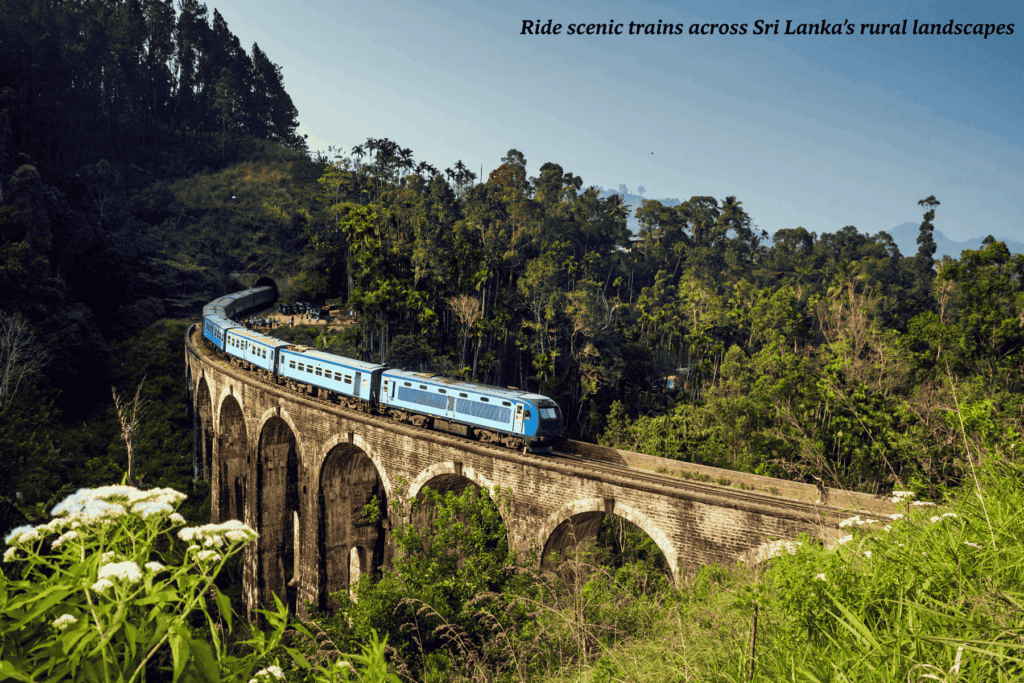
Sri Lanka: cricket, culture and wildlife galore
For followers of cricket, 2026 promises an unforgettable year in Sri Lanka. From February to March, the country will co-host the ICC Men’s T20 World Cup, bringing a vibrant energy to cities like Colombo and Kandy, as tourists and locals alike gather to celebrate the sport often considered the lifeblood of the nation.
But whether or not you’re a cricket fan, Sri Lanka is a fantastic all-round travel destination. Most people know about the sumptuous beaches that line the island’s long tropical Indian Ocean coastline. But the small Asian country has so much more to offer curious travellers than a stock beach holiday.
There are the ancient Sinhalese capitals of Anuradhapura and Polonnaruwa, where handsome domed dagobas tower over jungle-bound monastic ruins; the Hill Country, with its misty moorlands and dense rainforests teeming with plants and animals found nowhere else in the world; and an ever-growing network of national parks that protects Asia’s densest populations of elephants and leopards.
Whether you prefer to take in the acknowledged sites or explore off the beaten track, whether your tastes veer towards beach holidays, wildlife viewing, cultural sightseeing or montane hikes, and whether your priority is upmarket luxury, mid-range value for money or affordability above all else, Sri Lanka has it all in abundance.
How to explore Sri Lanka
Bandaranaike (the main airport which stands in Katunayake some 30km north of central Colombo) is serviced by a good selection of international airlines offering non-stop and/or reasonably direct one-stop flights to Sri Lanka from London.
Distances in Sri Lanka are relatively short, and the limited but useful rail system is supplemented by a network of well-maintained surfaced roads connecting all major towns and most other points of interest. This means it is very easy to get around, whether you travel with a rented car and driver, or depend on public transport, which includes an inexpensive and all-but-comprehensive bus service and an equally affordable rail network.
Sri Lanka can be visited at any time of year, provided that you tweak your itinerary to allow for regional seasonal variations that are unusually divergent for such a small country. Climatically, the popular west and south coast of Sri Lanka are at their best during the winter months (December–April), and the driest and most agreeable time to visit the east is during the summer months (late April–September).
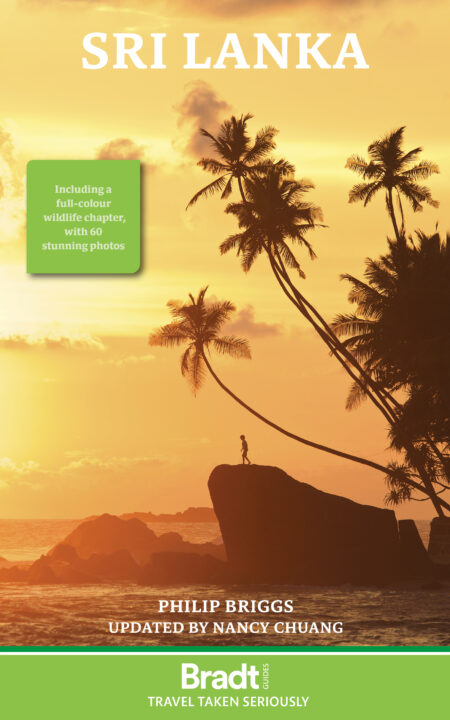
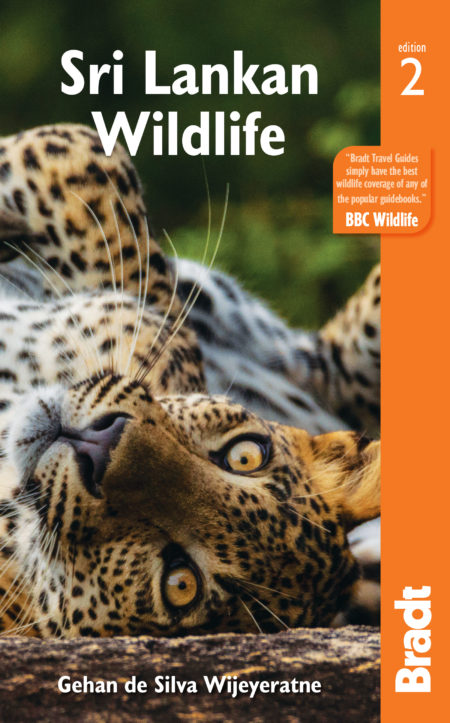
Find out more in our guide to Sri Lanka and our guide to Sri Lankan wildlife.
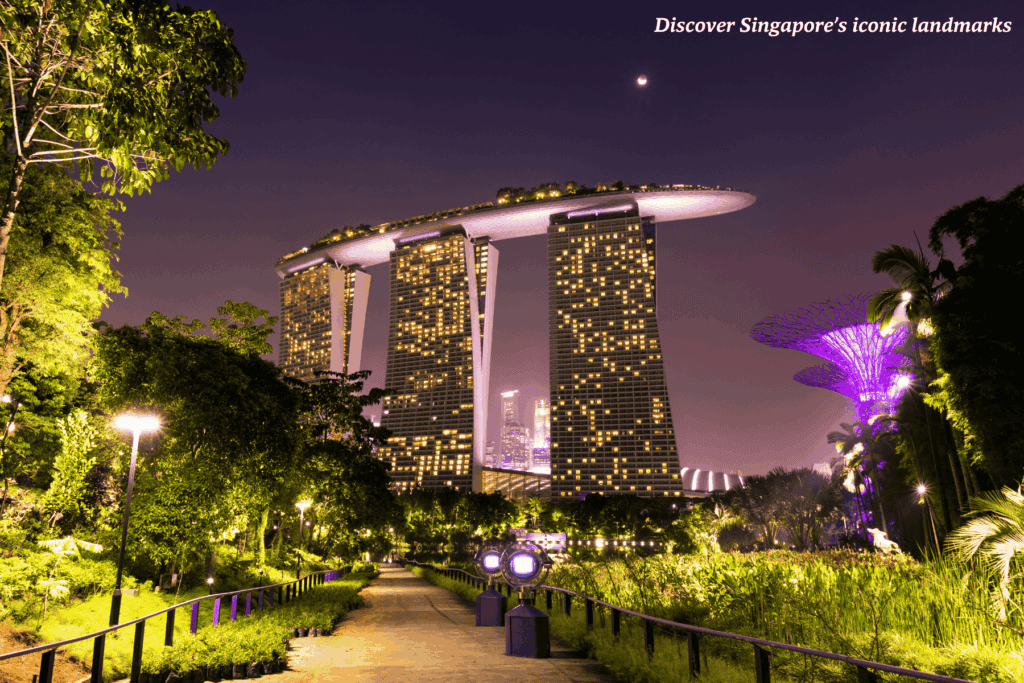
Singapore: back to the future
In 2026, Singapore continues to define the cutting edge of urban innovation, blending sleek modernity with a vibrant cultural pulse.
From the futuristic towers of Marina Bay Sands to the sky-high gardens of Jewel Changi, the city-state is a playground for design lovers and tech enthusiasts alike. Visitors can explore immersive exhibitions, rooftop attractions, and cultural events like the high‑energy Chingay Parade, Singapore’s spectacular illuminated street festival, that showcase the nation’s relentless drive to innovate.
But Singapore isn’t all flash and no class. Despite these high‑tech offerings, it’s a place where history can be found on every street corner. The city’s rich heritage threads itself through the modern skyline: from the grand, whitewashed façades of colonial buildings like Raffles Hotel and St Andrew’s Cathedral, to the vibrantly painted Peranakan houses along Koon Seng Road, and the elaborately carved Thian Hock Keng Temple.
And let’s not forget about the food. An attraction in and of itself, few things compare to the chaotic delight of dining at a hawker centre. The laksa is fiery, the people are loud, and the experience is unforgettable. To help travellers make the most of it all, we’re publishing a brand-new guidebook to Singapore later this year so you can explore with help from the people that know it best.
How to explore Singapore
Singapore Airlines and British Airwarys offer direct daily flights to Singapore from London Heathrow. If you prefer to break up the thirteen-hour flight (and save some money in the process) several European, Middle Eastern and Asian airlines run indirect routes with stopovers in various hubs.
Singapore is small, which means getting around is straightforward. Its public transport system is clean and efficient and the MRT (Mass Rapid Transit) and bus systems have an extensive network of routes that will allow you to explore with ease.
Singapore enjoys tropical weather all-year round, which means there is no bad time to visit. Rain is common but usually fleeting, and temperatures reach a peak of around 33°C in summer months (June and July). For a particularly unique experience, visit in February to participate in the extensive Chinese New Year celebrations that are among some of the best in Asia.
More information
For more on where to travel in 2026, see our selection of great value, in-depth guides: