
What to eat and drink in Taiwan
Wondering what to eat and drink in Taiwan? Discover the island’s must-try dishes, night-market favourites, regional specialities and local drinks with our guide to the country’s unique cuisine.
What to eat and drink in Taiwan: a hungry traveller’s guide
In this article, we’ll take you through the rich and diverse world of food and drink in Taiwan. From bustling night markets filled with sizzling street food and sweet treats to regional specialties that shift from north to south, Taiwan’s cuisine is anything but uniform.
We’ll explore how a culinary identity has been built around rice, and tantalise your taste buds with iconic snacks, refreshing drinks and must-try dishes that define everyday eating across the island.
Whether you’re planning a trip or just curious about what’s on the menu, get ready for a flavour-filled journey.
Get our guide to Taiwan
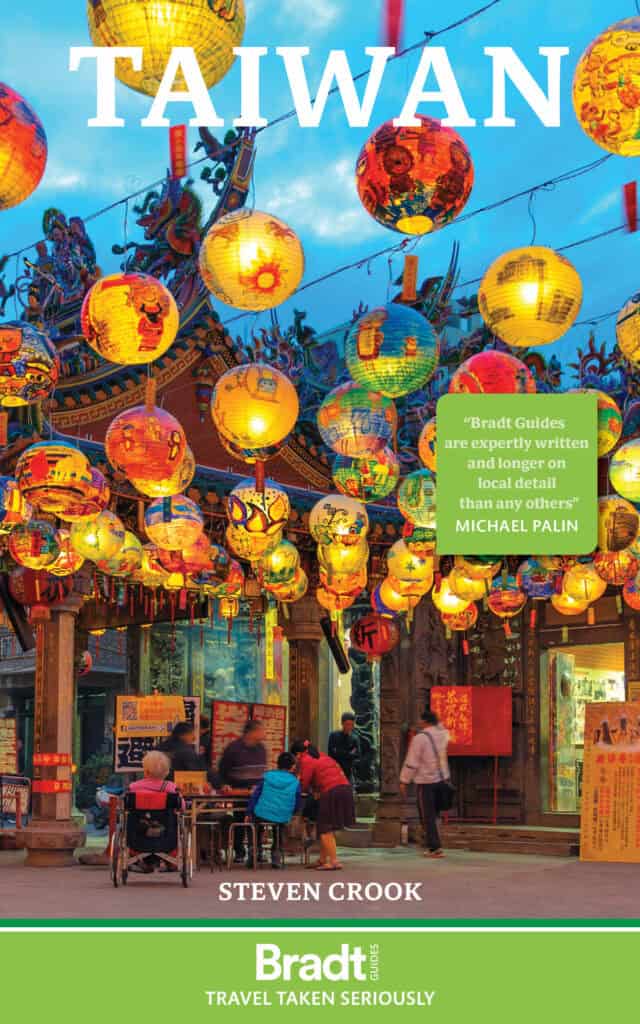
Before you delve into the article, check out the Taiwan travel guide that inspired it:
Introducing Taiwanese cuisine
Taiwanese eat a lot and eat often.
As in other east Asian countries, rice and noodles are staples. Sweet potatoes and dumplings are secondary sources of carbohydrates. As you’d expect on an island, seafood is common; much of the fish, however, is farmed rather than caught in the ocean.
There’s a good selection of leafy greens, plus cabbage, carrots, turnips and cucumbers. Vegetables are often fried with crushed garlic rather than boiled or steamed. Sweetcorn and various beans are also common.
Pork is the most frequently eaten meat and those following a kosher or halal diet should assume that meat sauces are pork-based unless stated otherwise. Chicken and mutton are also popular. Most of the beef eaten in Taiwan is imported, and part of the population – perhaps one in ten – never eats beef. This prohibition dates from pre-industrial times when cattle and water buffalo were protected because they were needed for ploughing and manure. Goose and duck are easy to find.
You may also have chances to try turtle, pigeon, frog, snake or snails – but not dog meat, the sale of which has been illegal since 2003.
Our recommended Taiwan operator
From bustling cities to mountain trails and hidden coastal corners, Taiwan is best explored with people who know it well.
Expert guides can help you get beneath the surface, discover authentic experiences and travel with confidence.
Here is our recommended operator:
What makes Taiwanese food unique?
No longer regarded as a subset of, or inferior to, China’s culinary traditions, Taiwanese cooking emphasises neither spiciness nor sourness.
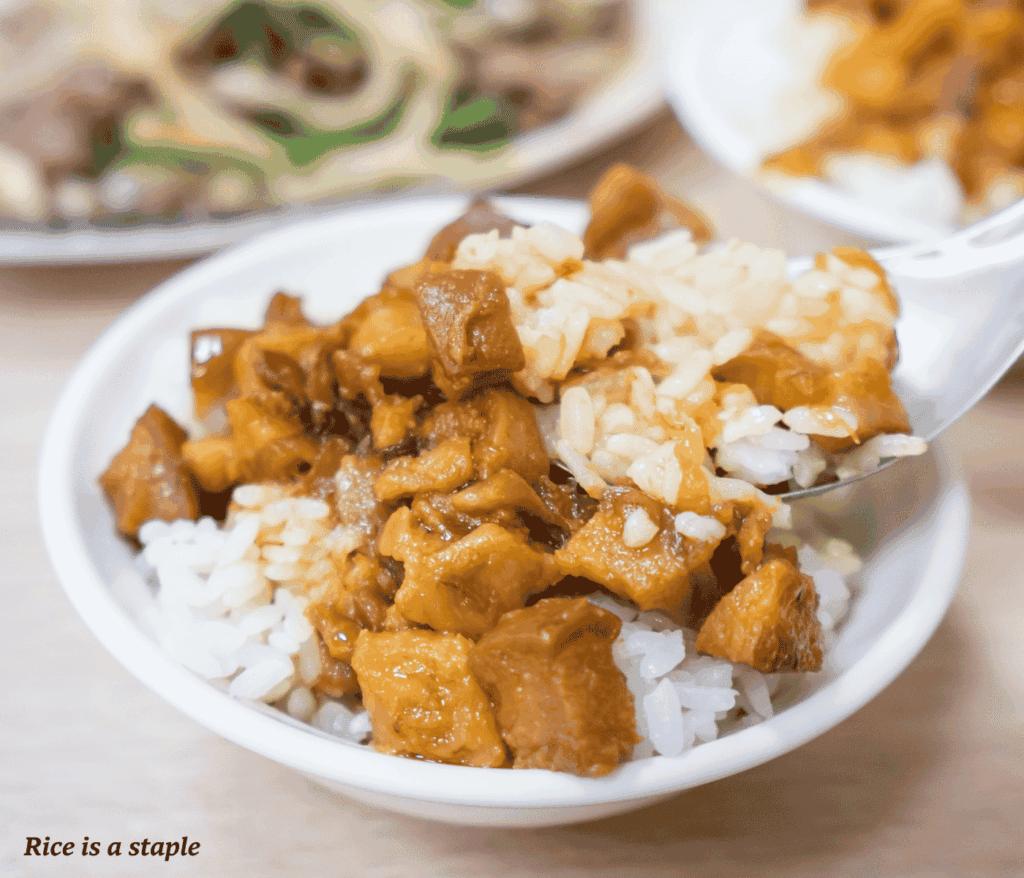
Dishes are usually steamed, stewed or stir-fried. Taiwanese make the most of local seafood, and of the fresh ingredients that are available year-round. Rice consumption has fallen dramatically in the past few decades as wheat-based alternatives became widely available. Even so, few Taiwanese go 48 hours without eating a bowl of steamed, polished white rice.
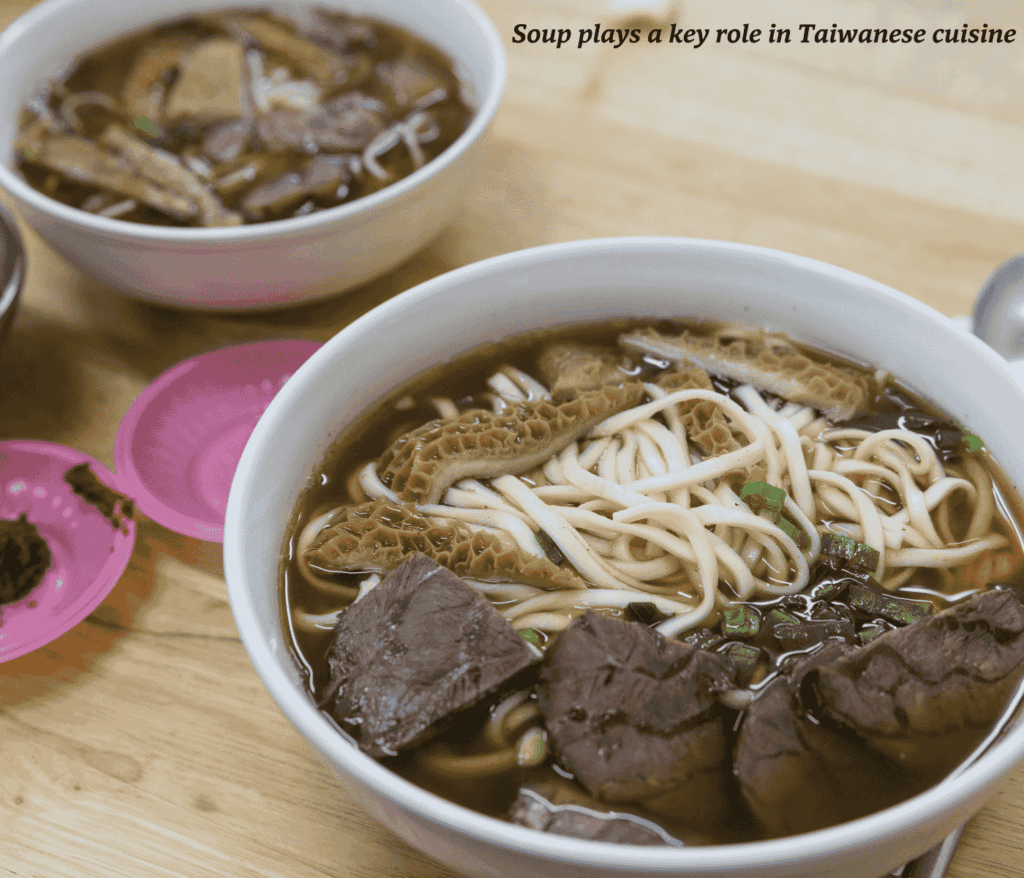
Noodles are common; they’re usually served ‘dry’ with gravy or with chunks of meat in a soup. Taiwanese cuisine also has a vast range of broths and consommés that differ from European soups in that the liquid is often clear and somewhat oily, and the ingredients (which may include large pieces of bone) aren’t finely chopped.
A note on rice
Rice accounts for one-fifth of all calories consumed by mankind, and for many Taiwanese the proportion is even greater. Even though affluence has now brought a varied diet, millions of Taiwanese still eat it almost every day of the year. In Mandarin, the act of preparing a meal is zhŭ fàn, literally ‘cook rice’.
Rice grows well in Taiwan’s warm climate and fields of green stalks can be seen throughout the lowlands. In recent years, the average annual rice production has been about 1.4 million tonnes, meaning the island is more than 90% self-sufficient – an impressive achievement given its topography and population density, and the fact that other crops are also grown in large quantities.
As demand for organically grown food increases, more and more farmers are embracing traditional methods such as raising ducks in their rice fields. Not only do these fowl eat golden apple snails and other pests, but their feet stir the soil and their excrement is a good fertiliser. Several places in Taiwan are promoting their organic rice, of which Luoshan has been one of the most successful.
What to eat for breakfast in Taiwan
Few Western visitors find the traditional Taiwanese breakfast of rice gruel, pickles, peanuts and dried shredded pork appetising. If you’re staying in an upmarket establishment you can expect a full breakfast buffet, but if you’re not you may want to buy something the evening before.
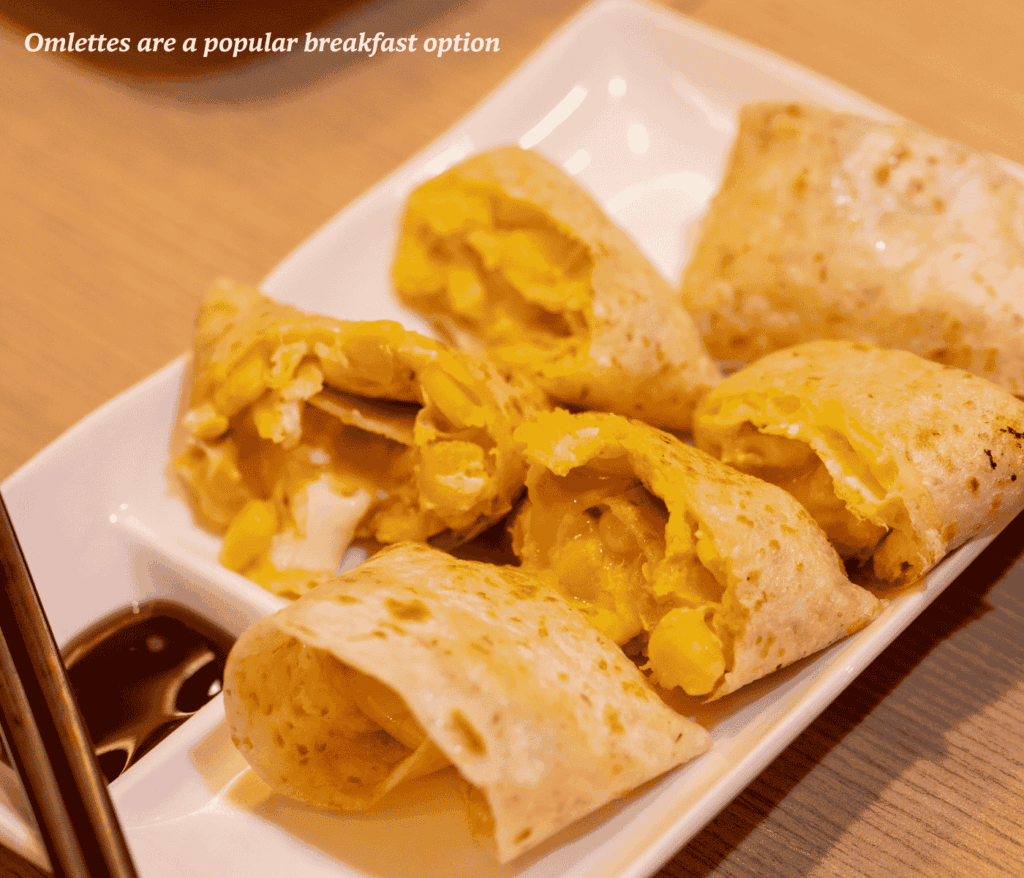
In towns and cities there are plenty of breakfast eateries that sell hot, inexpensive items like egg pancakes (you can ask to have bacon and/or cheese added) and hamburgers (usually pork). Hot coffee is often available, though it may come in a can. At least once during your stay try cruller sticks, a type of unsweetened doughnut, and hot soya milk. Some find this type of food a little too greasy, but on cold mornings it’s just the ticket.
What’s in the bottles?
In many local eateries condiments are available on every table, although salt and pepper aren’t usually among them.
Vinegar, soy sauce and chillies are easy to recognise, but Western visitors shouldn’t expect red plastic bottles to contain ketchup (often it’s spicy sauce) or yellow ones to be filled with mustard (usually it’s jiàng yóu gāo, a thick brown sauce made from soy sauce).
Green bottles are likely to contain a liquid version of wasabi, a mustard-like condiment often used in Japanese cooking.
Lunch and dinner in Taiwan
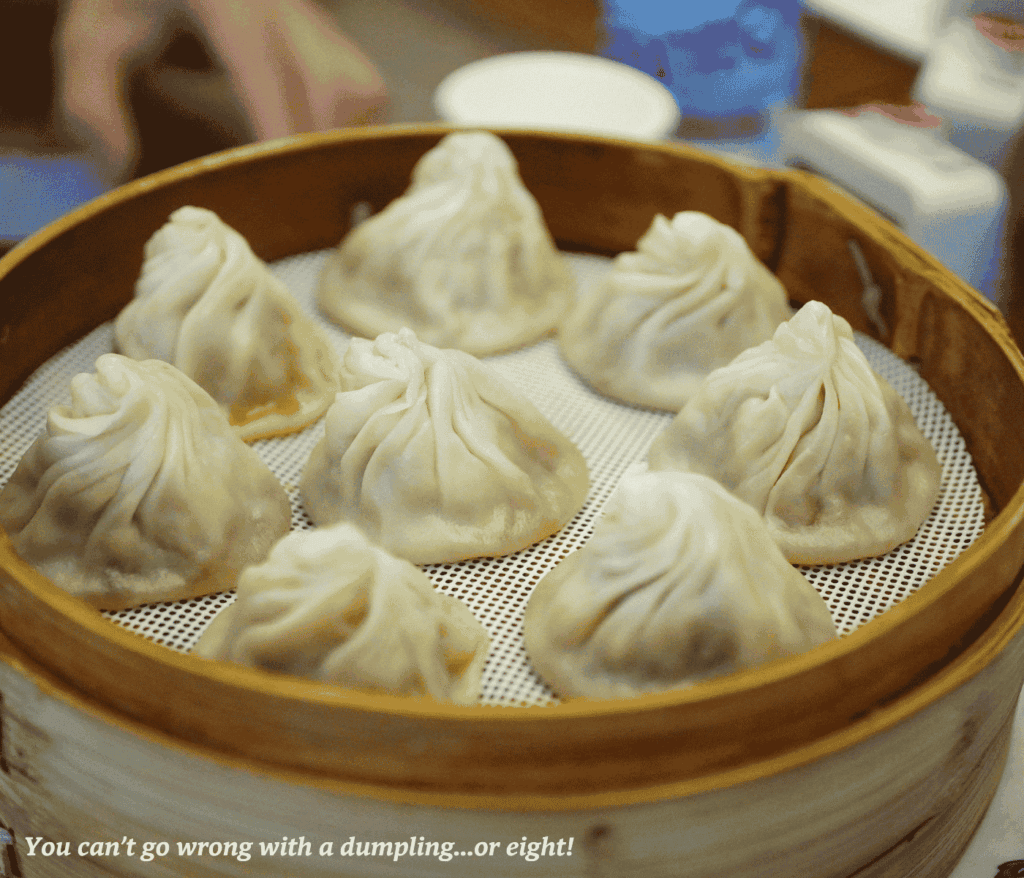
The foods eaten at lunchtime are very similar to those eaten at dinnertime. Lunchtime is usually noon–13.30, though many restaurants open earlier and close later, if at all. In small towns and mountain areas, you might struggle to get a hot meal after 19.30.
In many eating establishments the menu is either pasted on the wall or resembles a form with boxes that you tick. Pointing at what someone else is eating and holding up a finger or two to indicate quantity won’t offend anyone.
Local-style buffets are especially convenient for those who don’t speak Mandarin. They can be found throughout urban areas and vary considerably in terms of freshness and cleanliness. Each one has between a dozen and 50 different trays of food, with everything from meat to fish to vegetables. Because the food gets cold quickly and the choicest items go fast, it pays to arrive early – 11.30 for lunch, 17.30 for dinner. Grab a paper plate (or box if you want to take the food away) and use tongs to pick up whatever takes your fancy.
At the end of the line you’ll be offered white rice; the cashier will then either weigh your plate or just take a look and come up with a figure. Unless you’ve really piled the food on, the meal shouldn’t cost more than NTD150 per person.
Not a foodie? Here are five other reasons to visit Taiwan.
A regional guide to food in Taiwan
Mainland cuisine
In Taiwan’s bigger cities you’ll find restaurants that specialise in Shanghainese, Cantonese and other mainland Chinese styles of cooking. The oldest were founded by refugees who fled to Taiwan in the late 1940s.
Hakka cooking
Like Hoklo Taiwanese, the Hakka are Han Chinese. Their origins are unclear but it’s believed they emerged as a distinct sub-ethnic group, speaking their own language and following a unique set of customs, as they moved en masse from central China to the south in a series of migrations between the 4th and 17th centuries. Taiwan’s Hakka are a majority in the hilly region between Zhongli and the Dajia River, and in a few towns in the south, notably Meinong.
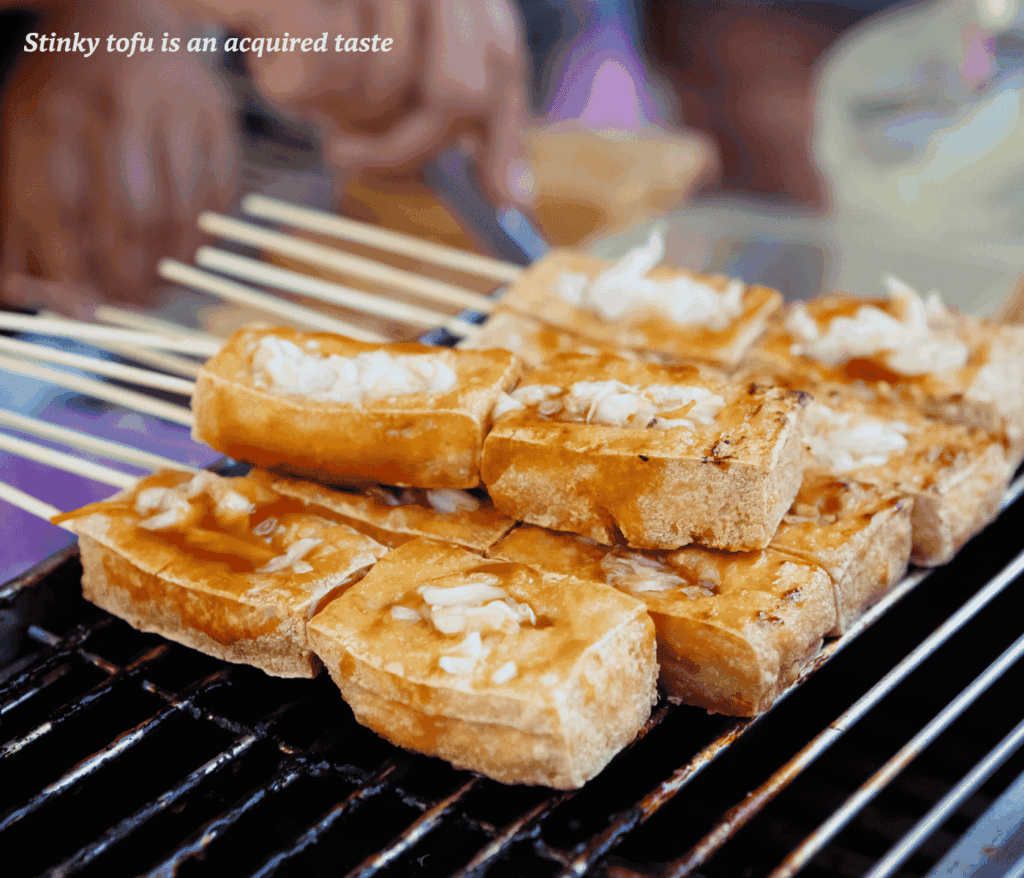
Hakka food isn’t to everyone’s liking because it’s saltier, greasier and more vinegary than mainstream Taiwanese cuisine. Hakka meals are usually based around steamed white rice. However, one of the most popular dishes in Hakka regions is a kind of broad noodle made from rice flour called ban-tiao. Fried with slivers of pork and carrot, or boiled and then served in soup or dry with a few slices of meat on top, a bowl of ban-tiao makes for a tasty lunch.
Indigenous cuisines
Visitors should seize any chance they have to try indigenous foods. They’re available nowhere else in the world and, in the opinion of many people, indigenous cooking tastes very good indeed.
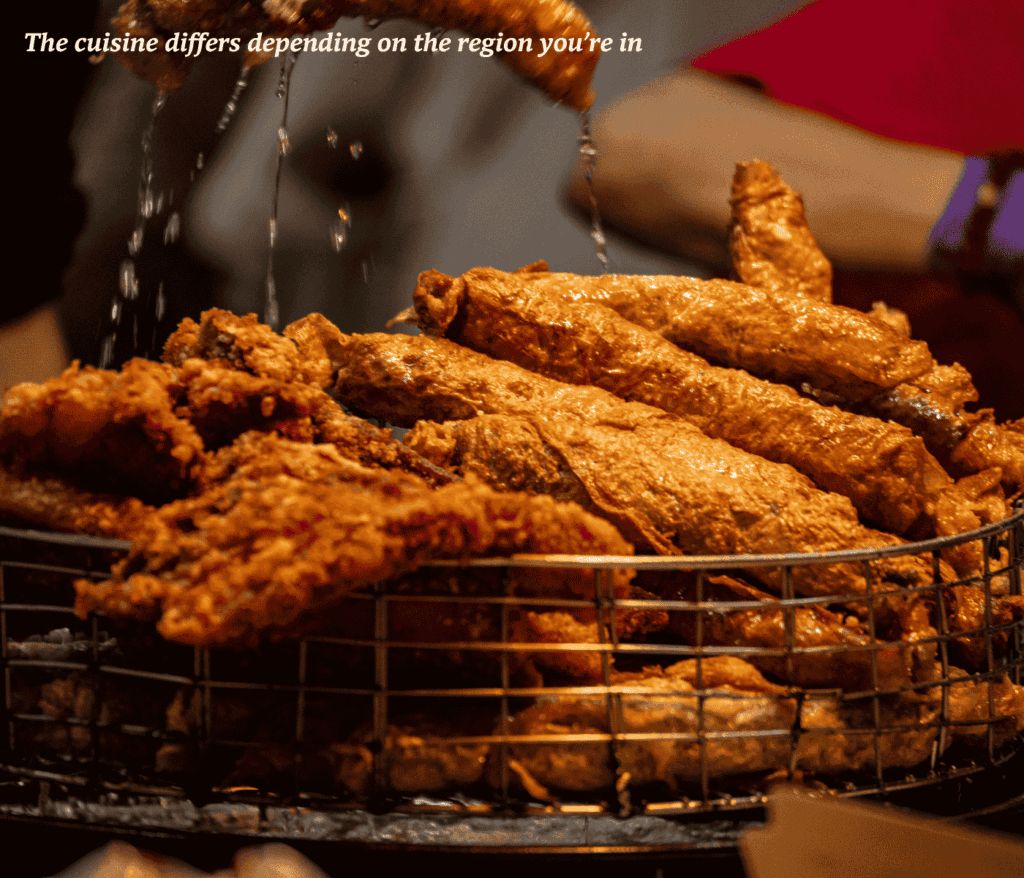
Indigenous feasts often include roasted or barbecued meat (some of it obtained by hunting), small fish and shrimp taken from mountain streams, and vegetables quite different from those seen in the lowlands. Until a few decades ago, millet was a staple food in many indigenous communities. To some extent it’s been replaced by rice, but at festival time millet-based dishes are prominent. It’s during such events that you’ll see the most authentic indigenous foods, including items not offered in restaurants.
Among the Bunun tribe, raw pickled flying-squirrel intestines are considered a special delicacy, as is what’s called ‘stinky meat’ – game that’s begun to rot after being left in the trap a little too long. It’s barbecued, fried with garlic and ginger, then served with a spicy sauce.
- Recommended reading: how to explore the great outdoors in Taiwan
Where to eat in Taiwan
Taiwan has an astonishing range of roadside stalls, cheap eateries, mid-range restaurants and pretentious dining establishments.
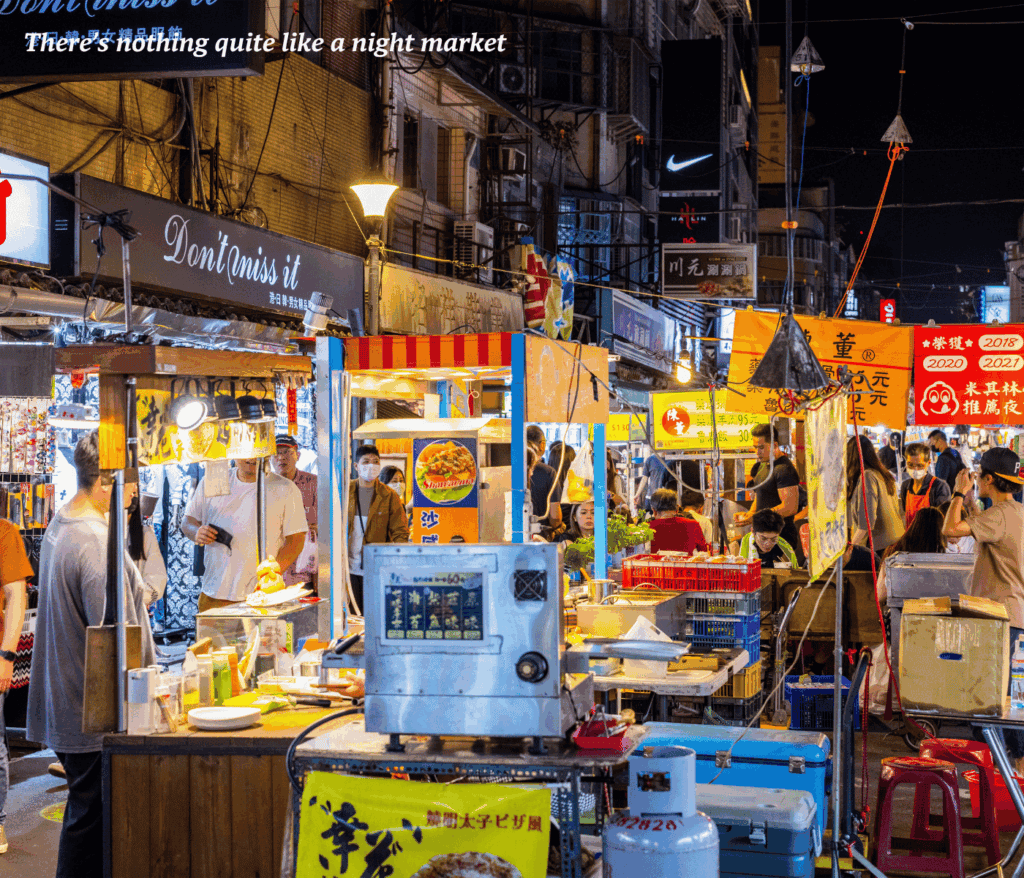
Night markets
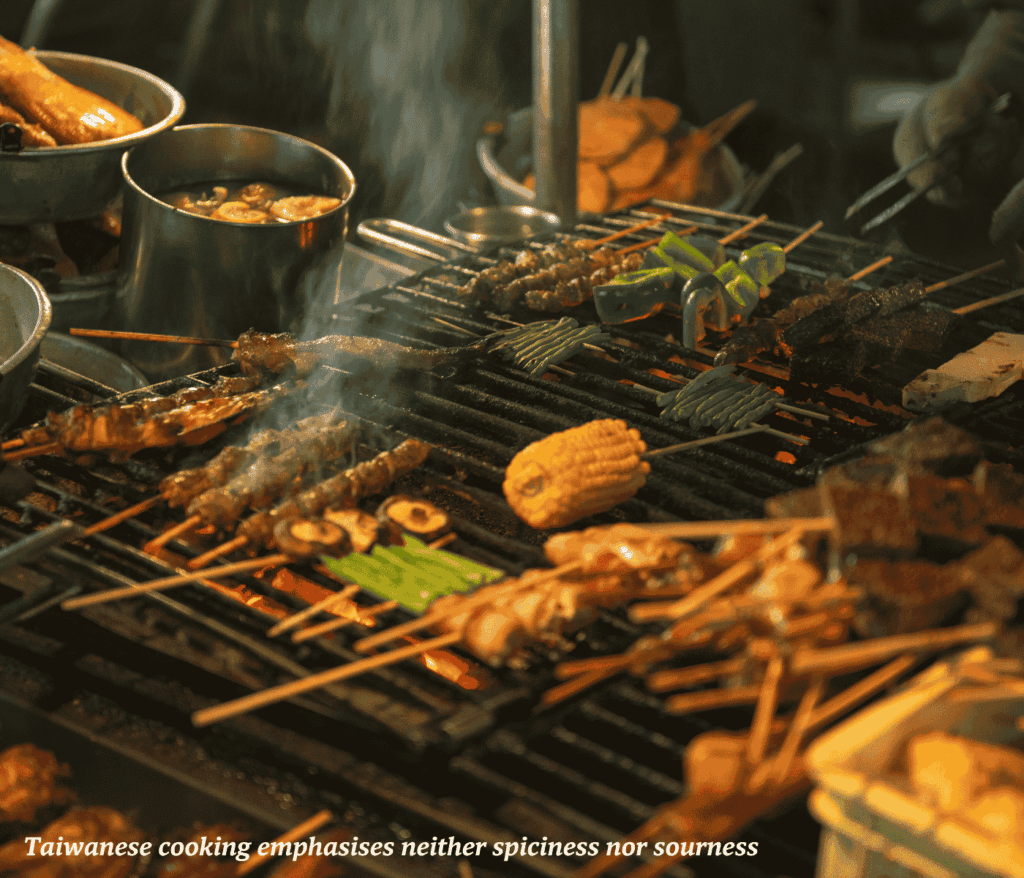
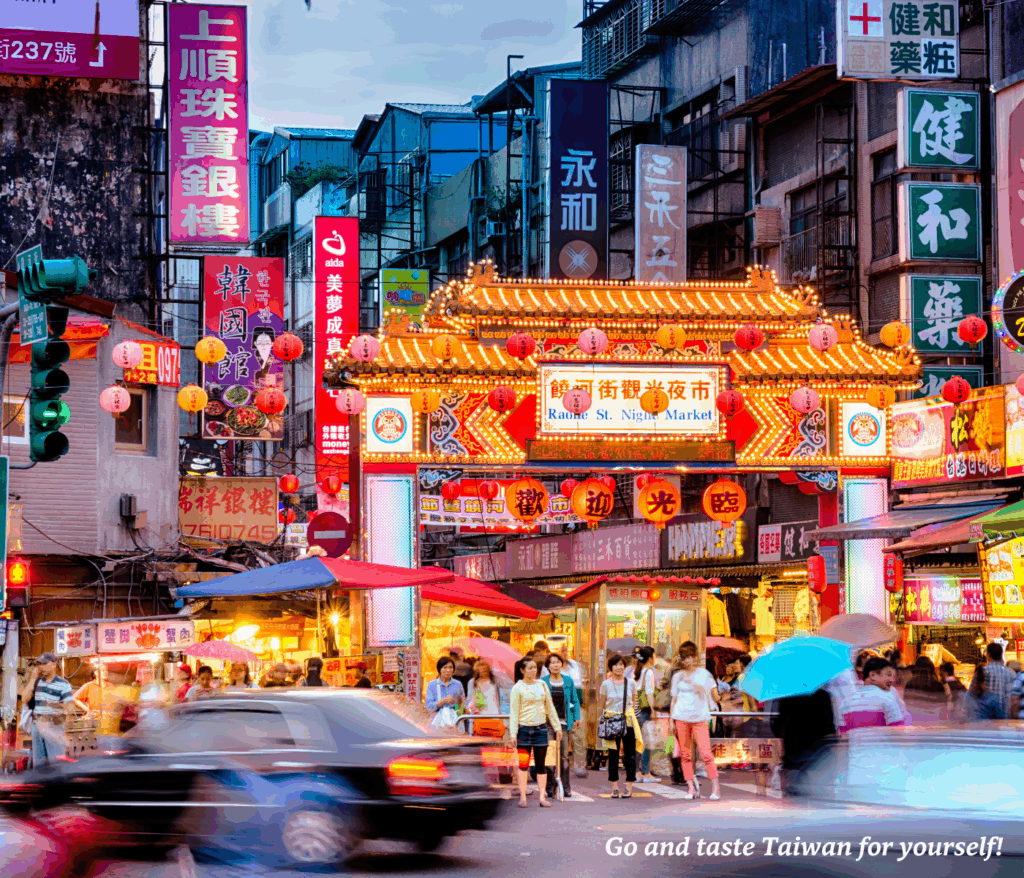
In night markets and alongside busy roads, you’ll find vendors that offer a vast range of tasty snacks, many of which are deep-fried and slathered with sauce. From crispy fried chicken and oyster omelettes to grilled squid and sweet potato balls, there is something to suit every taste.
These bustling food hubs are an integral part of Taiwanese culture, offering visitors the chance to sample local specialities while soaking up the lively atmosphere. Take a perch on a plastic red stool, order a few dishes to share and enjoy.
You’ll find fantastic night markets in many of Taiwan’s cities, but here are a couple of our favourites.
Huaxi Street Night Market, Taipei
Once known to Westerners as ‘snake alley’ on account of the restaurants where limbless reptiles were publicly slaughtered, skinned and cooked, this neighbourhood is not nearly as lively or seedy as it once was.
The sight of men boosting their virility by swigging snake-bile mixed with wine (a concoction said to be an aphrodisiac), or gonzo gourmands knocking back snake blood, snake urine or even snake semen, is a thing of the past. However, this is still an excellent spot for a late-night snack.
Don’t miss Yuan Fang Gua Bao, a 60-year-old Bib Gourmand recommendation selling buns stuffed with marinated pork belly, pickles, ground peanuts and coriander.
Miaokou Night Market, Keelung
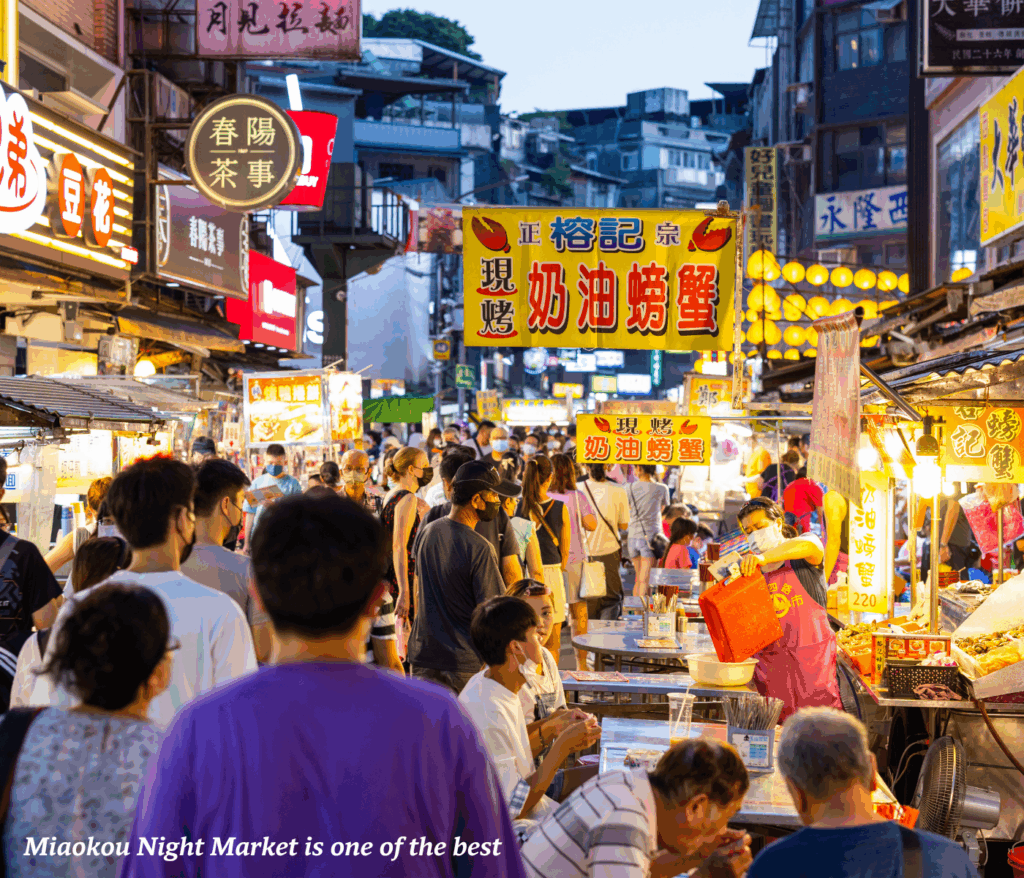
‘Miaokou’ means ‘temple’s entrance’ and this night market is now much more famous than the shrine around which vendors began gathering in the late 19th century. Its success means the 60-odd stalls in the ‘official’ section are joined each evening by dozens more on Ai 4th Road.
Many of them have bilingual signs and menus, but some of these leave you none the wiser. For instance, the ‘chicken roll’ sold by stall 15 contains no poultry but rather a pork-based paste. The version sold here is properly old-school, however, in that the wrap is caul fat not tofu sheet.
One special dish you’re unlikely to see elsewhere, called ding biān cuò and served by stalls 27/2 & 27/3, features seafood and chunks of slightly chewy ‘pasta’ made from pulped rice.
Plus, don’t miss our guide to the best temples in Taiwan.
Top chain eateries
Like consumers everywhere, Taiwanese appreciate convenience and consistency, and with these local dining chains, you always know what you’re getting.
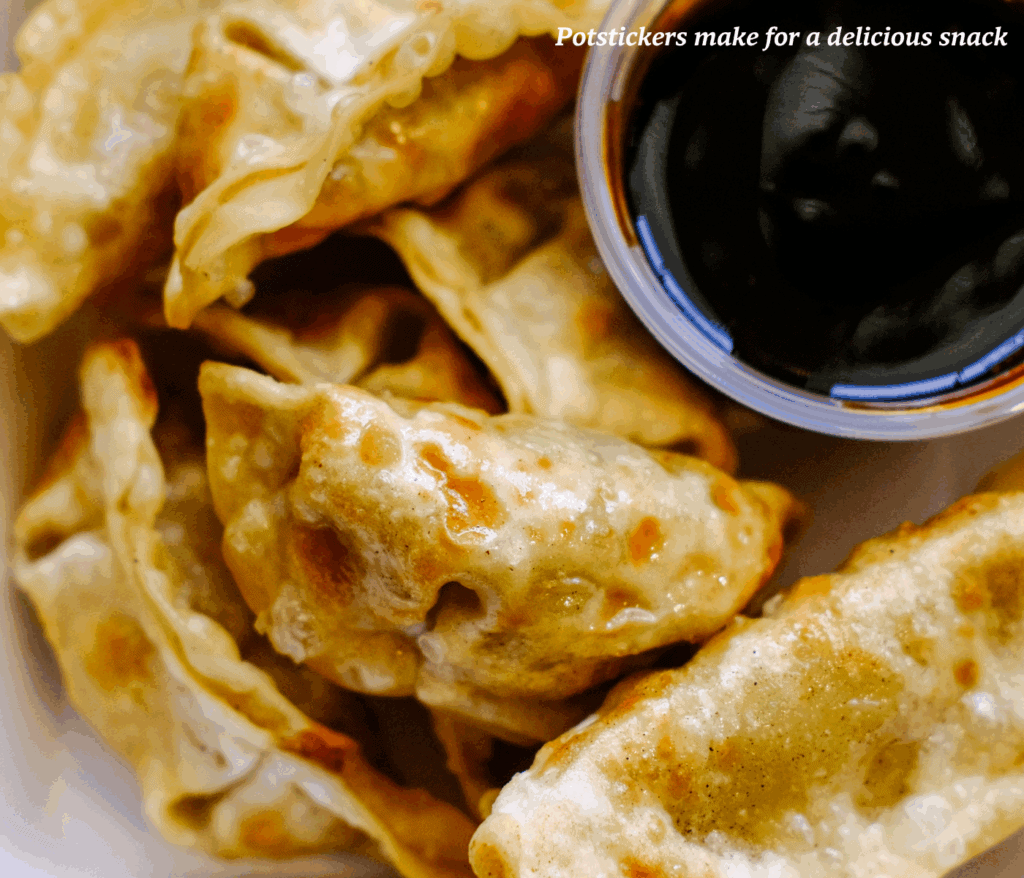
Bafang Yunji Dumplings: Pan-fried and steamed dumplings (all handmade) with traditional pork and leek fillings account for a large proportion of sales at Taiwan’s most ubiquitous eatery brand, but Bafang’s kimchi- and curry-flavoured potstickers are also popular. Among soupy options, perhaps the best is the vegetable and pork wonton noodles.
Formosa Chang: A chain that barely exists outside Greater Taipei, Formosa Chang claims to be staying true to the hearty dishes served at its founder’s market stall back in the 1960s. Rather than order à la carte, make your life easier by going for a bento set with rice, vegetables, egg and protein.
Shi Er Guo: Praised for the clean freshness of their flavours, Shi Er Guo’s one-person pots are priced from NTD248, with customers able to choose if they want more vegetables/less meat or vice versa, and which carbohydrate they want.
Food courts
If you’re new to travelling in Asia, this might seem like a slightly unusual recommendation. It’s true that in places like the UK, food courts are rarely considered among the best places to eat, but in Taiwan the experience is very different.
Food courts are popular with locals and offer an impressive range of freshly prepared dishes, from noodle soups and dumplings to sizzling stir-fries and regional specialities. They are clean, affordable and ideal for groups, allowing everyone to choose exactly what they feel like eating.
More than just a convenient place to grab a meal, Taiwanese food courts provide a glimpse into everyday routines and are a great place to sample a variety of dishes under one roof.
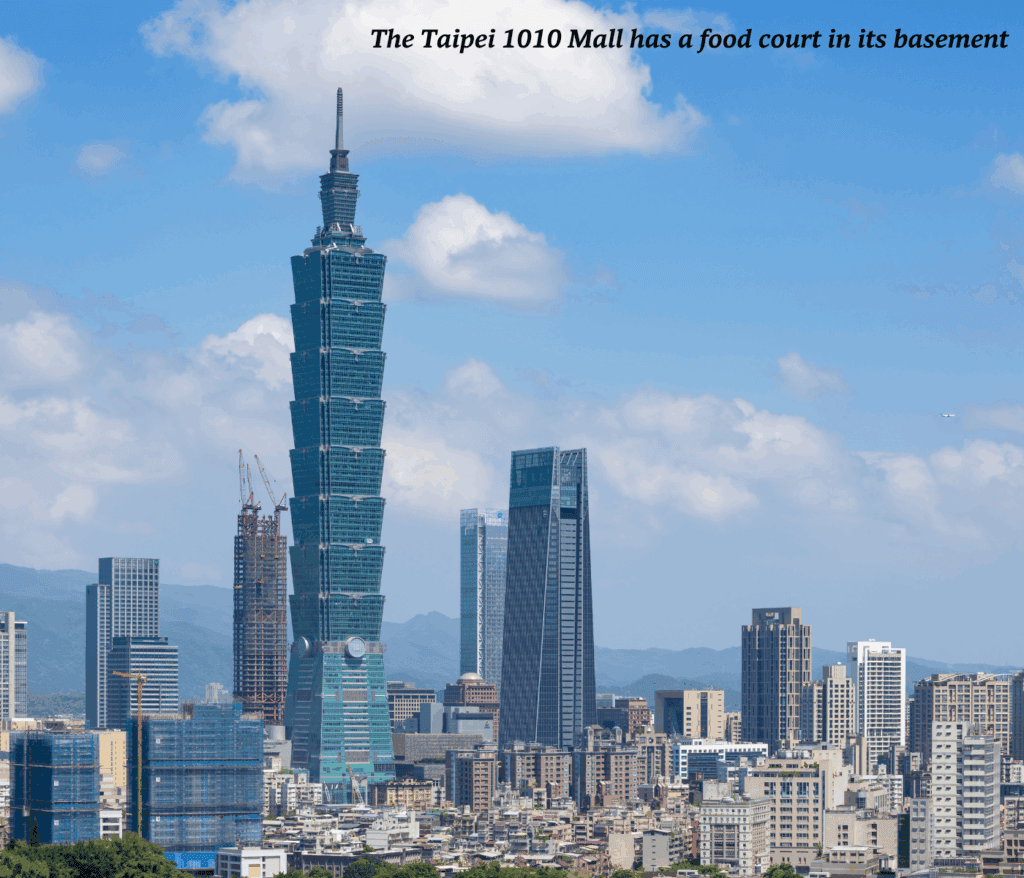
The Hanshin Department Store food court in Kaohsiung and the huge dining area found in the basement of Taipei 101 are both solid options.
What to drink in Taiwan
Nobody in Taiwan drinks tap water without first boiling or filtering it, but if you do swallow some unboiled or unfiltered water by mistake, don’t worry too much about it. You won’t be stricken with diarrhoea or something worse. The problem isn’t so much nasty bacteria as the state of water tanks and pipes.
Almost all hotels and homestays will provide drinking water that’s been boiled and/or filtered. There’s no need to avoid the ice that comes with freshly squeezed juices and other drinks. If you do suffer from stomach problems while in Taiwan, it’s likely to be a result of the kind of food you’ve been eating, not the cleanliness of the place where the food was prepared.
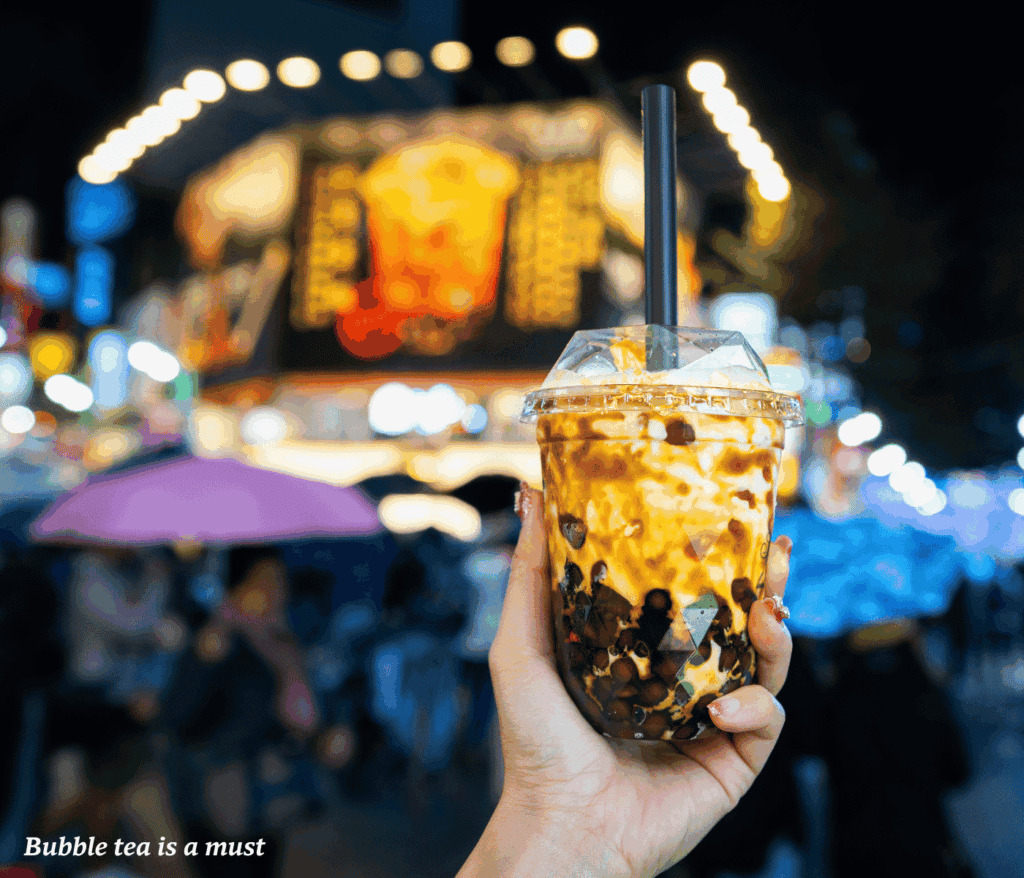
In addition to the usual fizzy soft drinks and supermarket fruit juices, Taiwan has an excellent selection of fresh fruit and vegetable juices, plus milkshakes made with local fruit like papaya, pineapple and mango. Cold tea is drunk in huge quantities; a Taiwanese invention variously known as ‘bubble milk tea’ or ‘pearl milk tea’ (cold black tea mixed with milk and tapioca balls) has caught on overseas.
Do the Taiwanese drink alcohol?
Taiwan Beer, a lager best drunk cold, is the most popular alcoholic tipple with more than 50% of the beer market. Popular imported brands include Heineken and Kirin (a Japanese brew). In many restaurants you’ll see refrigerators full of beer and other cold drinks. Just help yourself; the staff will add the cost to your bill.
Red wine is far more popular than white wine and there are several local wineries. The best-known spirit is kaoliang – the Chinese name means ‘sorghum’, which is its main ingredient – and it’s made in Kinmen County and the Matsu Islands.
Kavalan whiskey, made in Yilan County, has won awards in the UK and US.
Tea in Taiwan
Tea is Taiwan’s traditional beverage. Unlike their Japanese counterparts, Taiwanese tea aficionados don’t follow any rigid ceremonies when brewing and sipping the beverage. They do, however, discard the very first brew each time as a matter of course.
Despite the growing popularity of coffee and herbal infusions, per-capita tea consumption has climbed steadily since the 1980s. Thanks to its climatic and topographical variations, the island can grow a wide range of teas, but it’s the various oolongs – semi-oxidised teas produced by withering the leaves under strong sun – that excite tea drinkers from afar. Despite this, domestic production is now much lower than in the 1970s, and most of the tea drunk in Taiwan is imported from low-wage countries.
Cheap tea is turned into packaged drinks for supermarkets and convenience stores; local teas tend to be much more expensive. Demand from China has driven up prices and growers of prize-winning teas are often able to auction their harvests for more than NTD100,000 per kg.
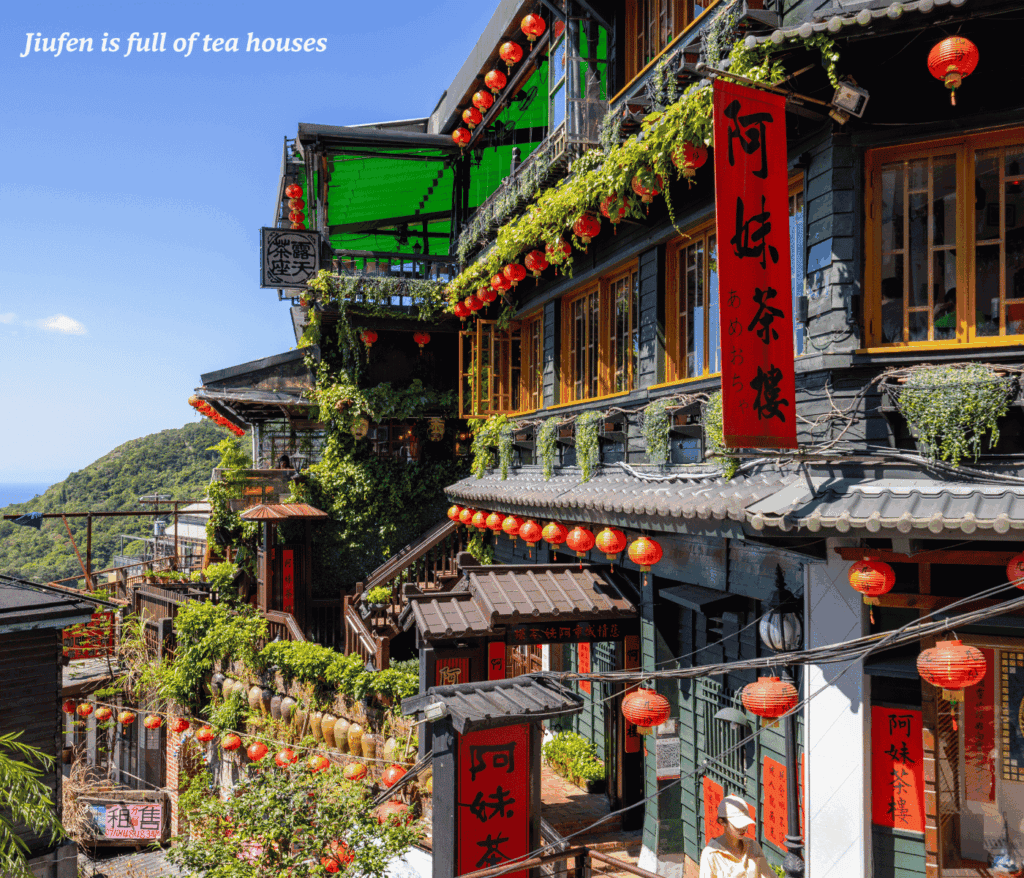
If you get the chance to visit a traditional tea house while in Taiwan, take it. A-Mei Tea House in Jiufen is arguably the most famous. Boasting spectacular views over Taiwan’s north shores, the tea sets here include a large, refillable pot of hot teas and a selection of traditional Taiwanese snacks.
What’s next?
We hope this guide has given you a flavour of Taiwan’s rich and varied food culture, from its bustling night markets and roadside stalls to its modern, air-conditioned food courts and everything in between.
Whether you’re sampling freshly fried street snacks, sipping bubble tea, or tucking into a steaming bowl of beef noodle soup, food is an integral part of daily life in Taiwan.
However, reading about Taiwanese cuisine can only take you so far.
The best way to truly experience the island’s incredible food and drink scene is to visit, explore and taste it for yourself!
Our guide to Taiwan
For more information, see our guide to Taiwan by Steven Crook: