
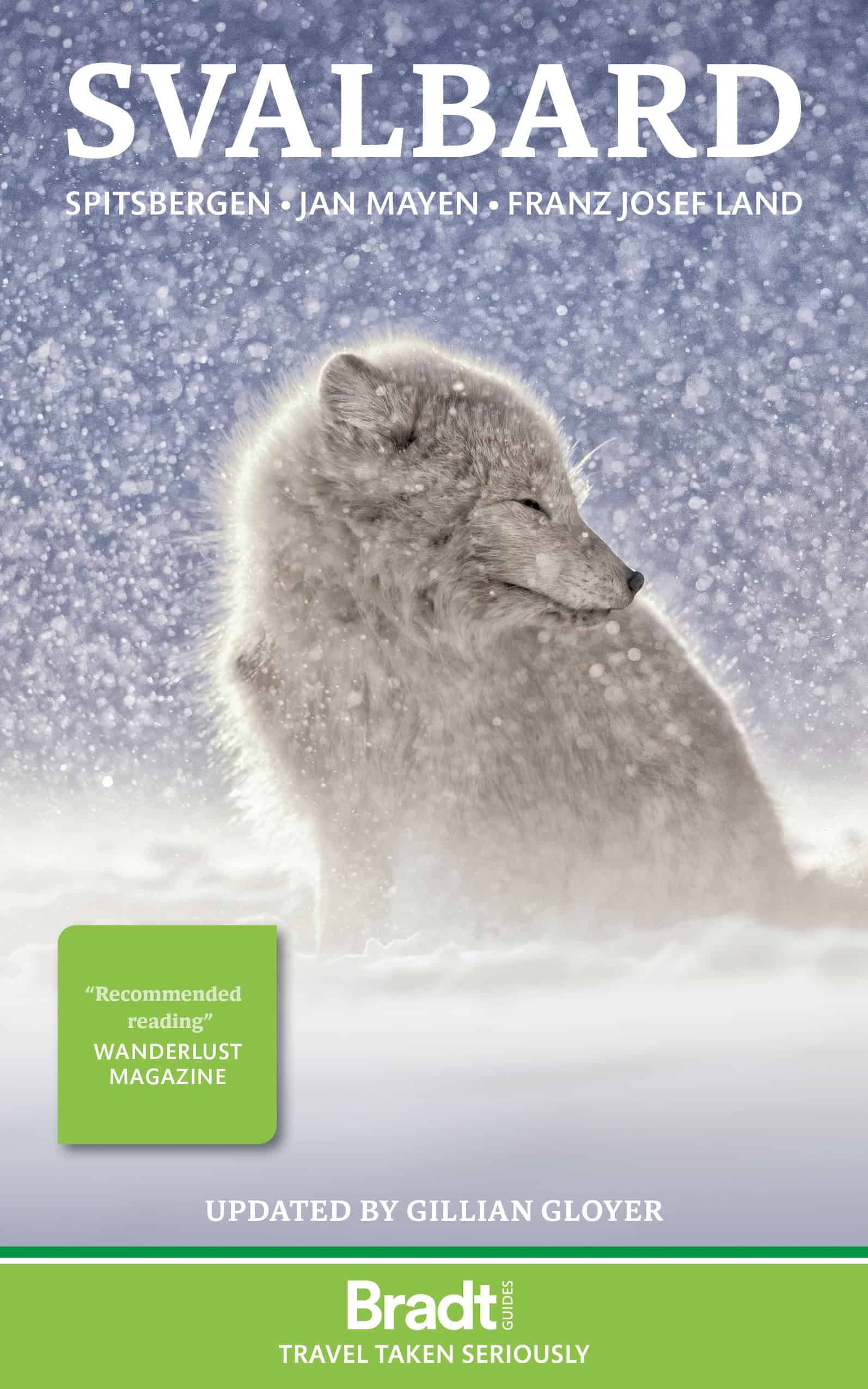
Bradt Svalbard Guidebook
Spitsbergen, Franz Josef Land, Jan Mayen
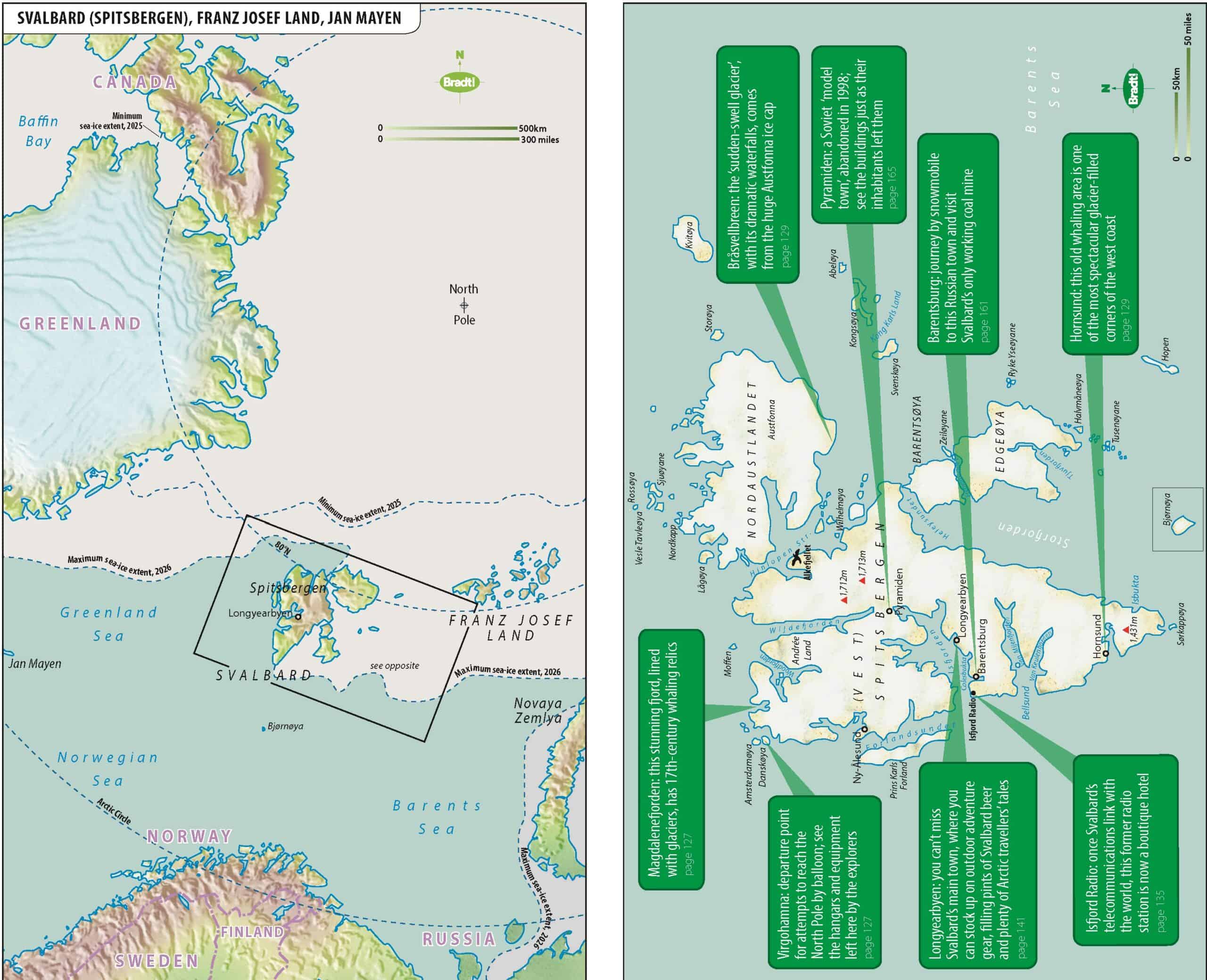
Svalbard travel guidebook. Holiday advice and expert tips on Spitsbergen, Franz Josef Land and Jan Mayen, from Longyearbyen hotels, activities, expeditions and cruises, to wildlife and island flora. Includes suggested itineraries, Arctic exploration, Barentsburg, Pyramiden, treks, kayaking, whale watching, polar bears, skidooing and dog-sledding.
Size: 135 X 216 mm
Edition: 7
Number of pages: 280
Related products
Bradt Svalbard Guide
This updated Bradt Svalbard Guidebook is a unique standalone guidebook to the evocative Arctic archipelago.
About this guide to Svalbard
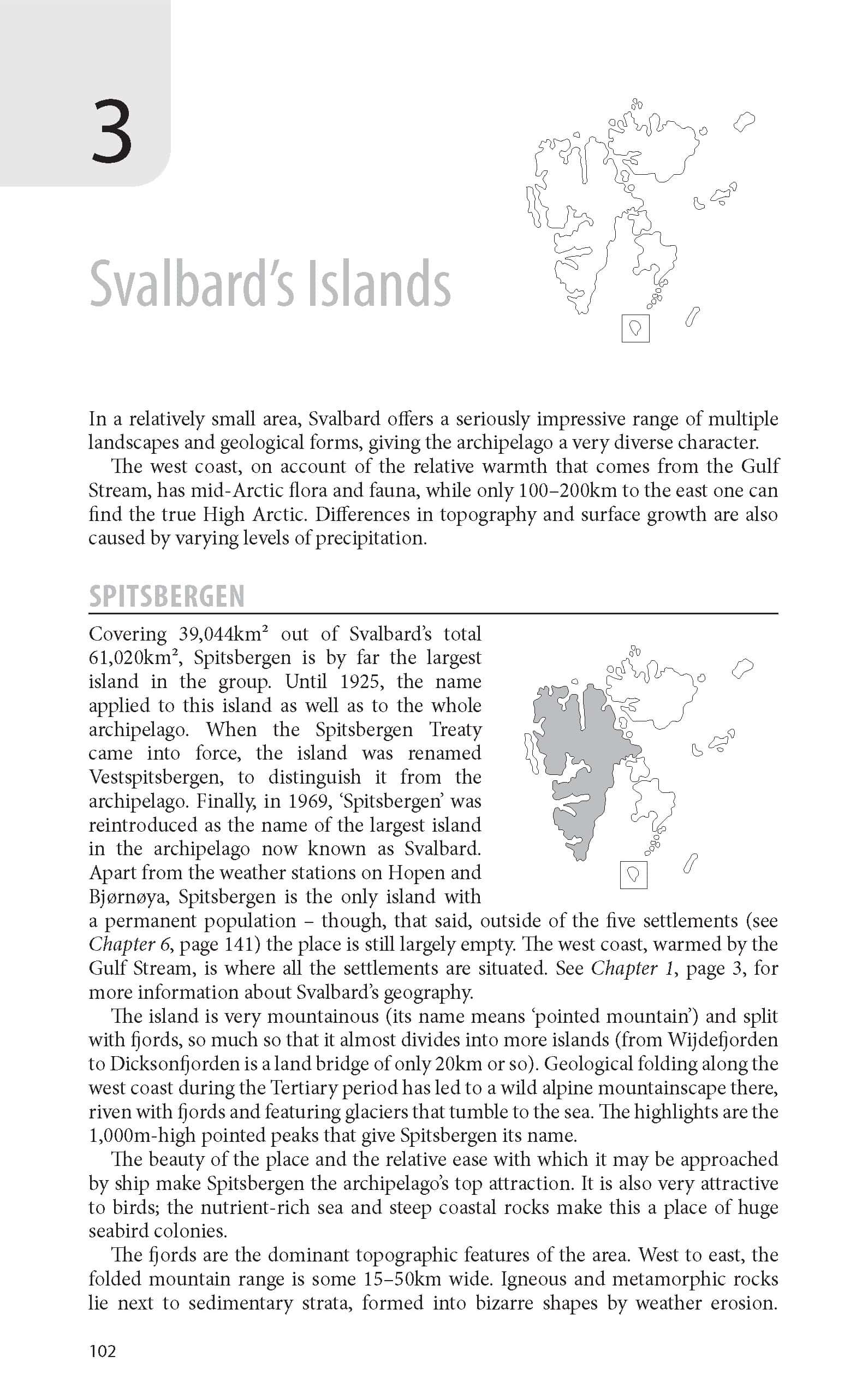
The updated Bradt Svalbard guidebook, now in its seventh edition, remains the only detailed, standalone guidebook from a major publisher to this evocative High Arctic archipelago. Spitsbergen, Franz Josef Land and Jan Mayen collectively constitute Europe’s wildest frontier. In this remote destination, perfect for ecotourism and adventure sports, the Global Seed Vault safeguards plants in case of environmental disaster, there are 4,000 snow scooters for a population of just 2,500 and reindeer graze beside icy roads, keeping a wary eye open for polar bears.
More than 50 nationalities live together in the tiny capital city of Longyearbyen, where no-one can easily be born in hospital (due to limited medical facilities) nor buried (due to the permafrost). Once populated by trappers, miners and whalers, the Norwegian city is now home to climate scientists. Moreover – as the updated Bradt Svalbard guidebook makes clear – it provides the hub for a thriving tourist destination, where you can:
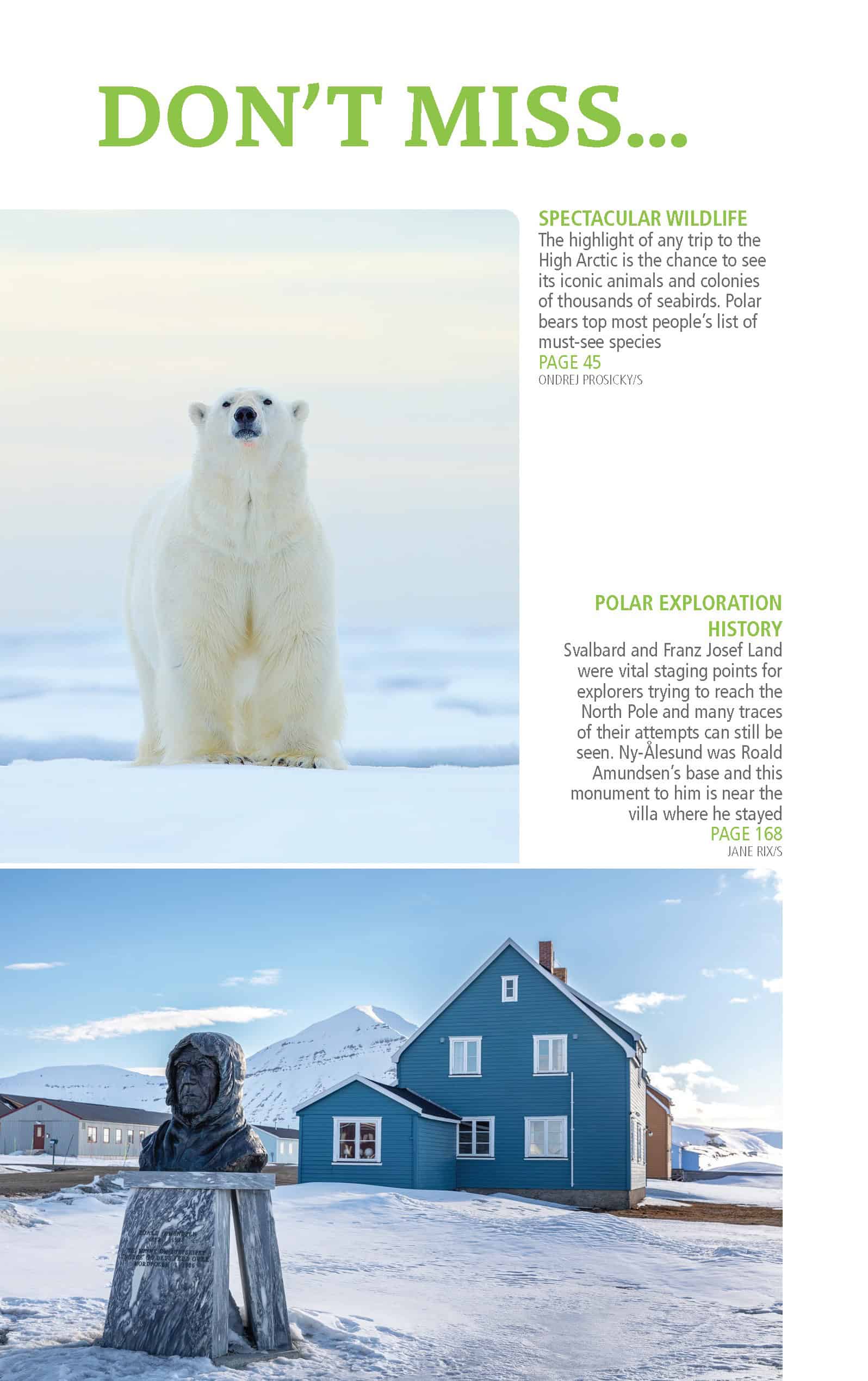
- take expedition cruises in summer (June–August) to explore coastal areas, looking for thrilling wildlife including polar bears, walruses, beluga whales and Arctic foxes;
- during the so-called ‘light winter’ months (March–May), go husky-sledding, skidooing, cross-country skiing, hiking, kayaking, ice climbing and fossil-hunting amid Svalbard’s glorious mountains, majestic fjords and sprawling valleys, explore the mining ghost towns of Barentsburg or Pyramiden, or even notch up geographic superlatives (such as the world’s most northerly kebab, most northerly souvenir shop); and
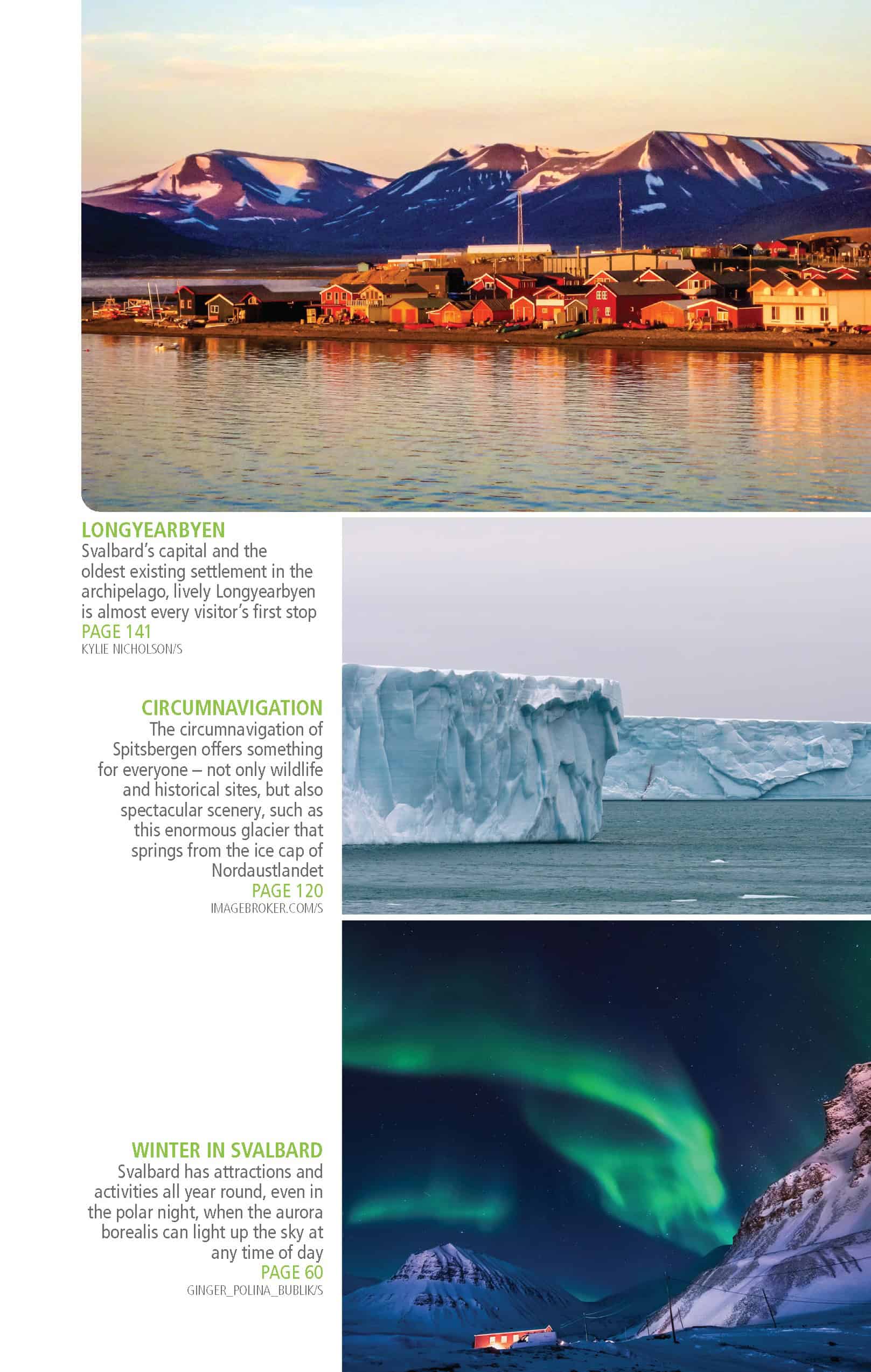
- during winter (November/December–March), when the sun disappears for four months, enjoy polar ‘noctourism’, admiring ink-black skies filled with stars and the dance of the aurora borealis (northern lights).
Interest in the region has never been higher, partly thanks to travel vlogger Cecilie Blomdahl’s New York Times bestseller, Life on Svalbard. The updated Bradt Svalbard guidebook provides all of the practical and background information you’ll need to explore this wild place, turning the hostile into the hospitable. Freshly researched and amended, this seventh edition reflects important recent changes in the archipelago, from climate-responsible travel innovations to eco-minded tours, plus a slew of new hotels and restaurants, making it the indispensable guide to this once-in-a-lifetime destination.
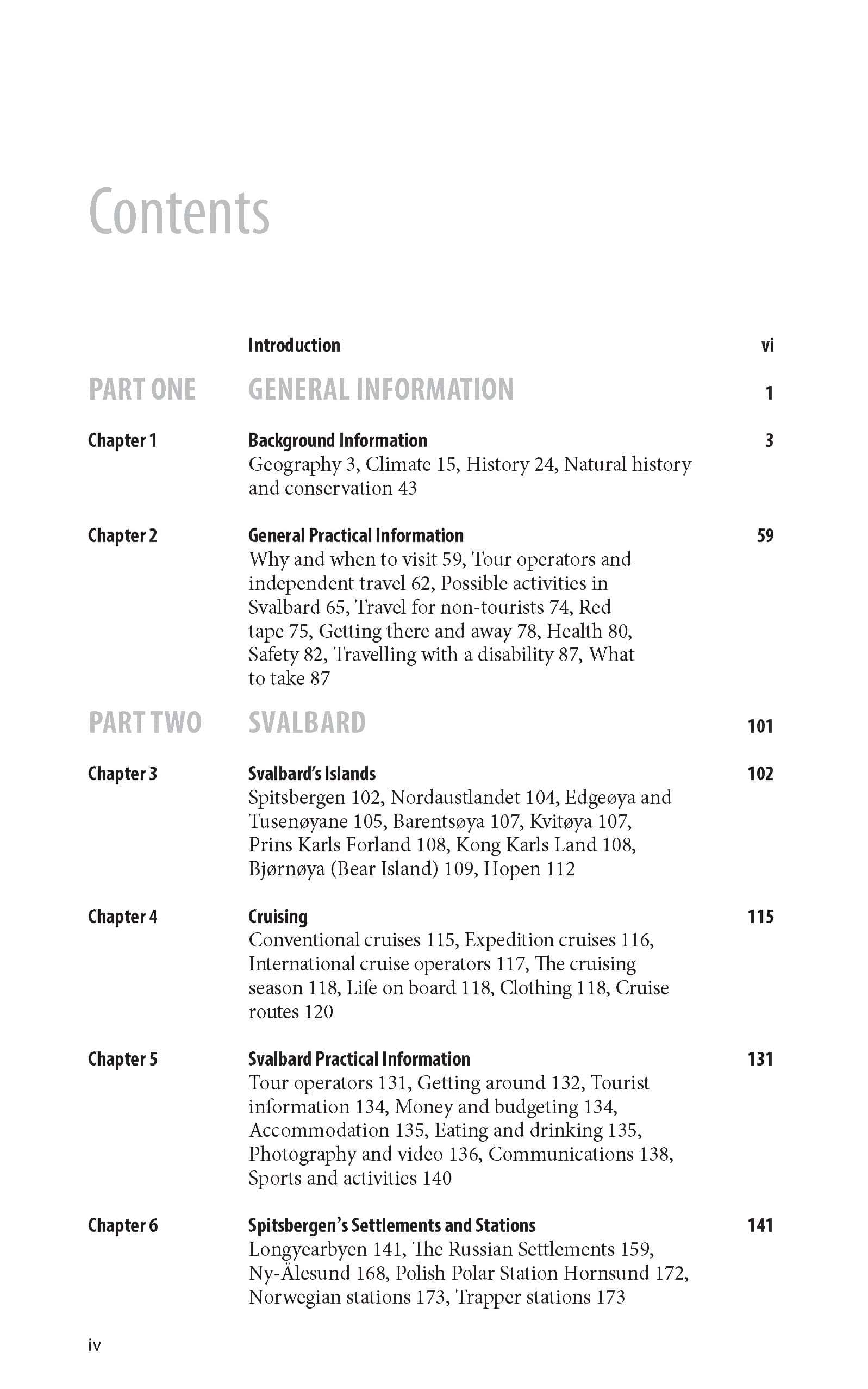
Contents
PART 1 GENERAL INFORMATION
1 Background Information
2 Practical Information
PART 2 SVALBARD
3 Svalbard’s Regions
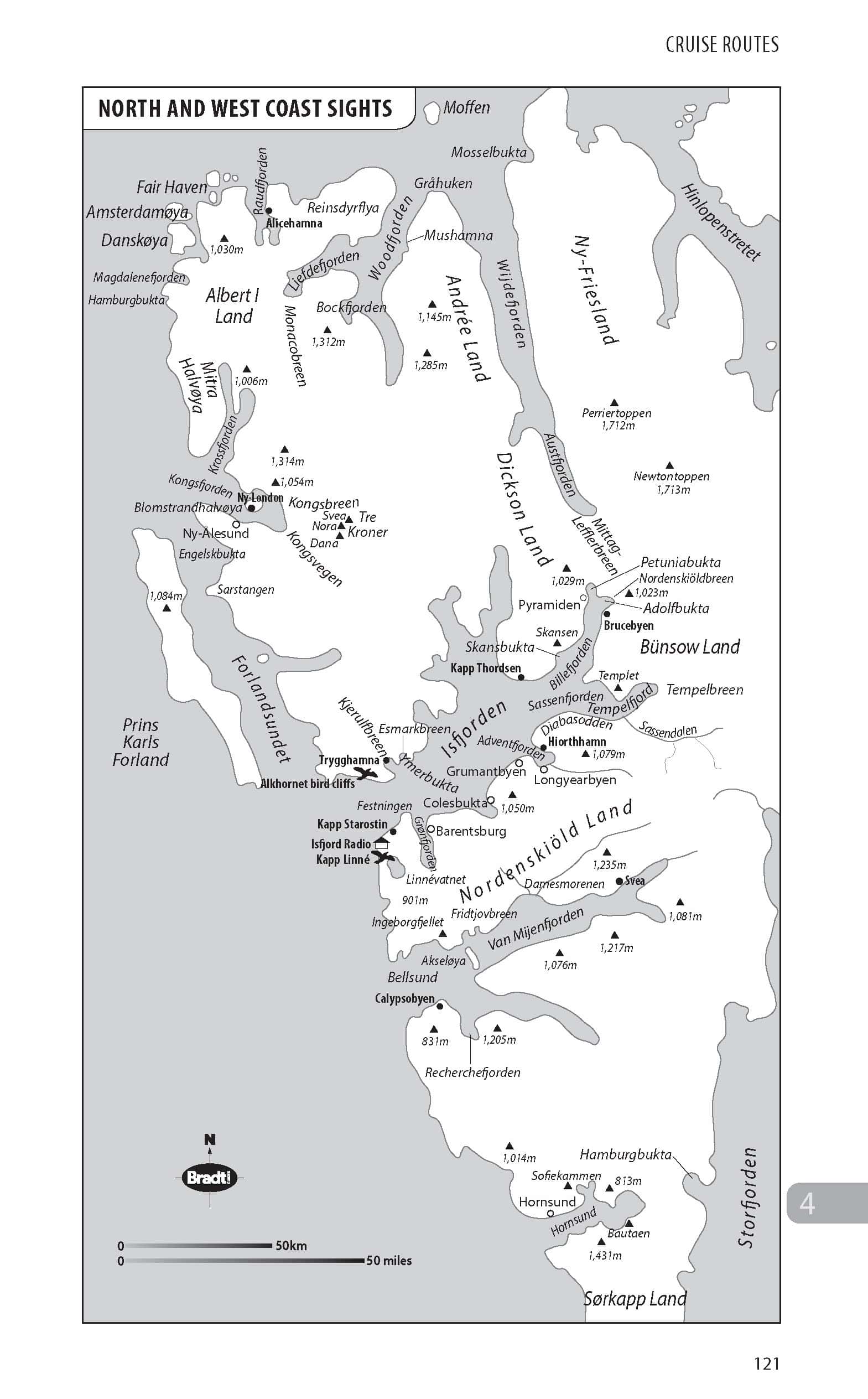
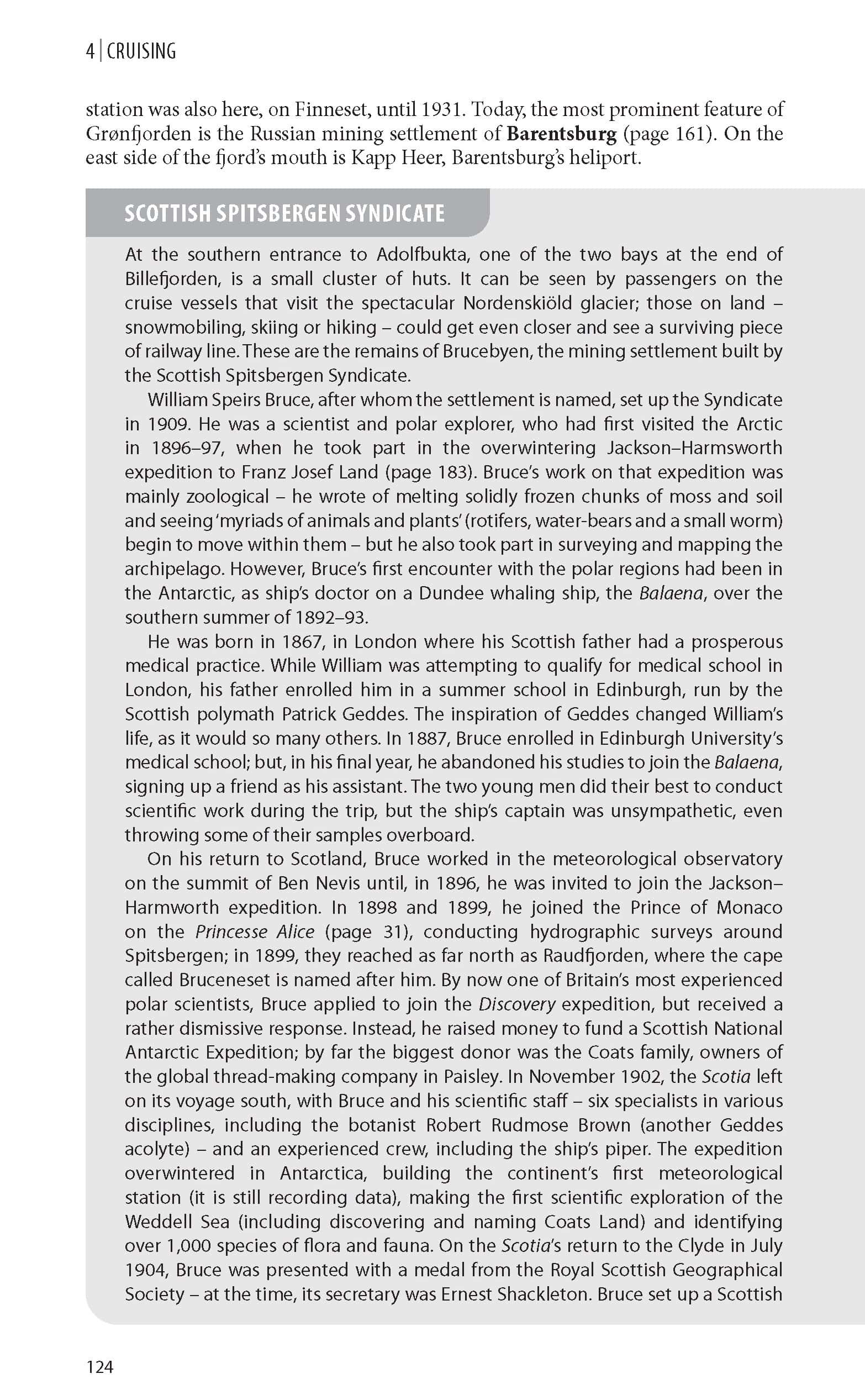
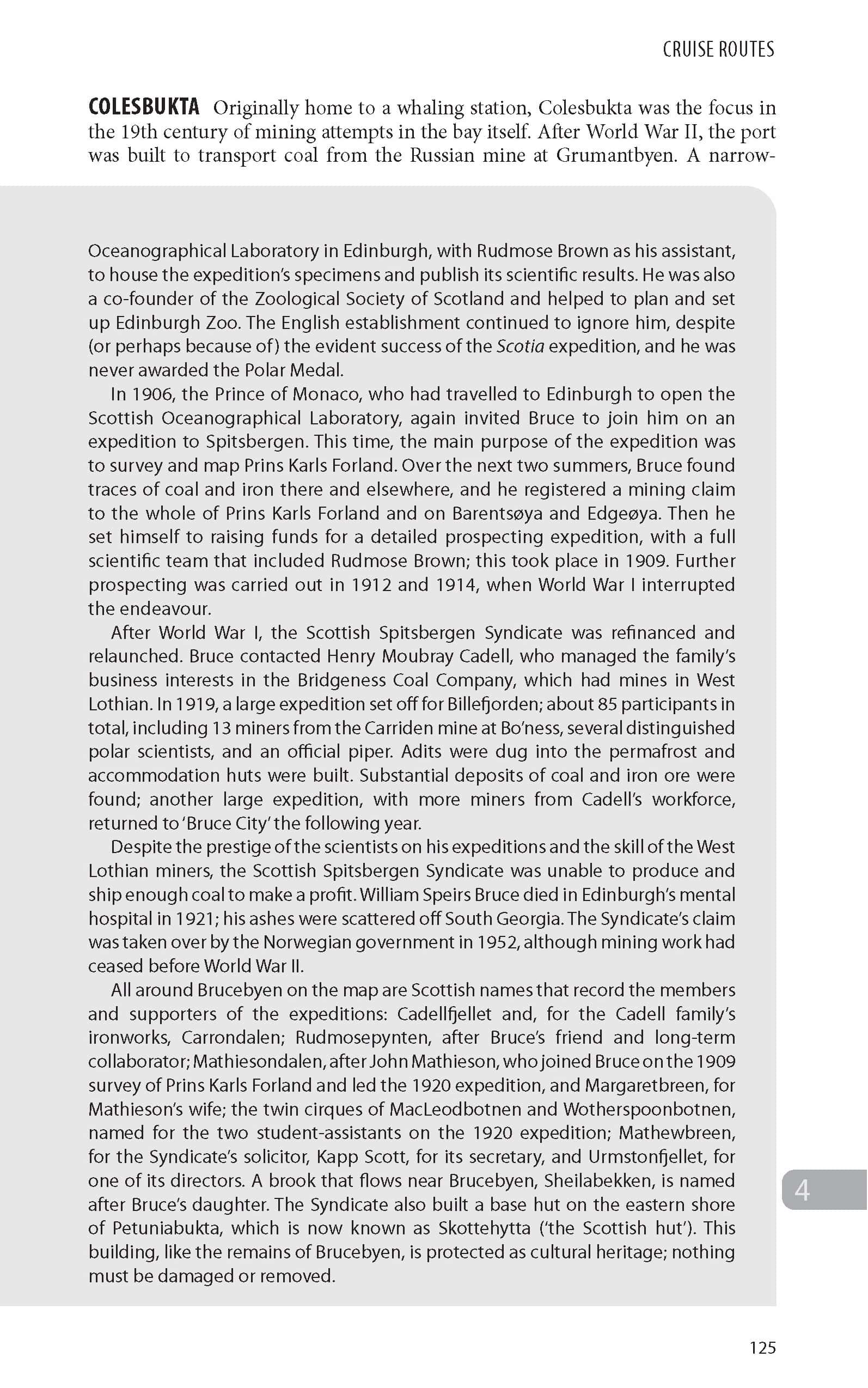
4 Cruising
5 In Svalbard
6 Spitzbergen’s Settlements & Stations
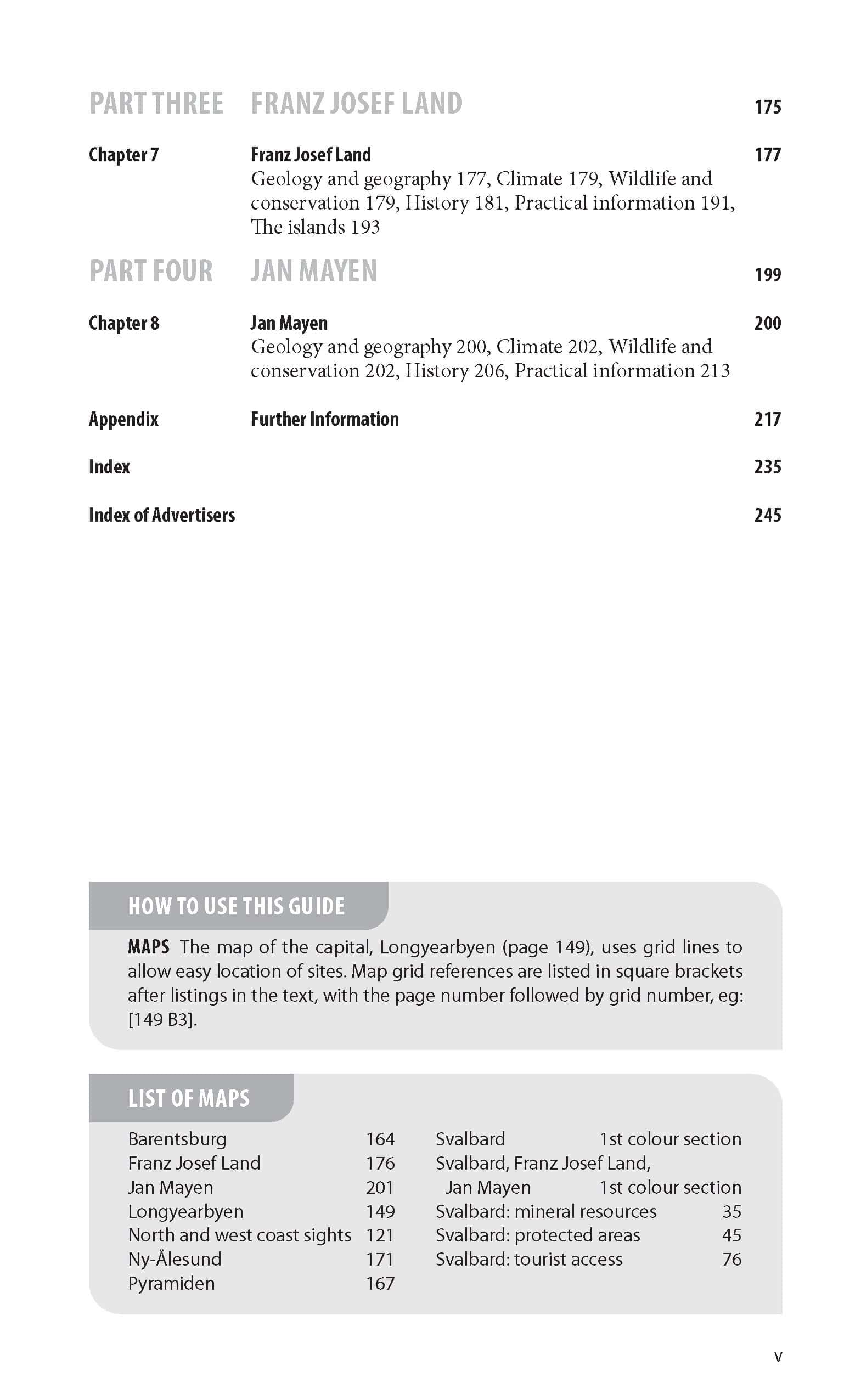
PART 3 FRANZ JOSEF LAND
7 Franz Josef Land
PART 4 JAN MAYEN
8 Jan Mayen
Appendices
Glossary/Other
Further info
About the updater and authors
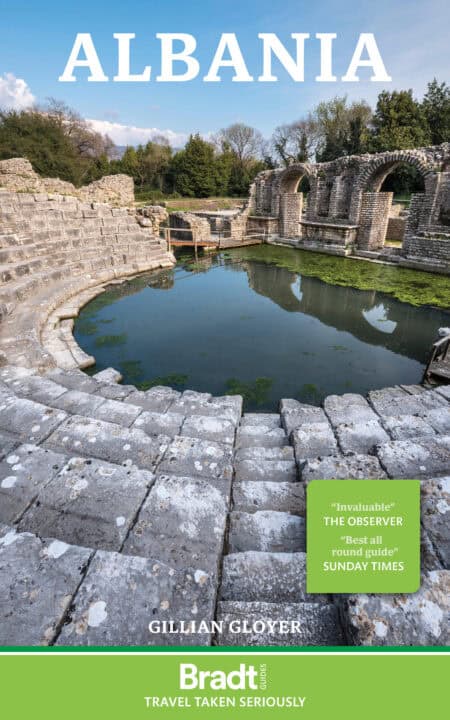
Gillian Gloyer is a travel writer who has written two Bradt guidebooks: Albania (one of Bradt’s top-selling titles, now in its seventh edition) and Democratic Republic of the Congo. Updating Bradt’s Svalbard guidebook represents a departure, particularly as the countries where Gillian has worked hitherto are more likely to have goats than polar bears. Nevertheless, hailing from Scotland renders her well-prepared, as the country’s high mountains have a sub-Arctic climate, and she often gasps at the northern lights though her mother’s kitchen window. Having travelled around mainland Norway many years ago, by bus, train and ship, and experiencing the midnight sun in the Lofoten Islands, she has been champing at the bit to head farther north still and fully explore the riches of Svalbard.
Roger Norum is a social anthropologist and travel journalist with extensive experience studying, working and travelling in northern Norway. The co-author of Bradt’s Svalbard guidebook, he has also written guidebooks on Norway for Rough Guides and Frommer’s, and has regularly written about Norway for publications such as The Telegraph. In 2010, he won the silver medal for the British Guild of Travel Writers’ Travel Writer of the Year. As an academic, he has carried out research on the links between tourism, travel writing and environmental change in the European Arctic on an EU-funded project, Arctic Encounters: Contemporary Travel/Writing in the European High North. Fluent in Norwegian and Russian, he holds a doctorate from the University of Oxford, and is currently academy researcher and associate professor at the University of Oulu (Finland) and a director of the European Citizen Science Association.
James Proctor first came across all things Nordic as a student. After mistakenly wandering into a Swedish lecture, he soon realised that his native Yorkshire dialect, liberally laced with dozens of old Viking words, would make learning the off-beat Scandinavian language a doddle. So began a love affair with Sweden and other Nordic countries which has lasted 30-plus years (and counting). This includes being a BBC Scandinavia correspondent in the 1990s and writing several travel guidebooks to the region, including Bradt’s West Sweden, Faroes, Lapland and Svalbard. He first visited Svalbard in 2017 and, despite his knowledge of northern countries, was still struck by the fact that it takes a full 90 minutes by jet-engined 737 to reach Svalbard from northernmost Lapland. He welcomes snow, ice and howling wind as exactly the charm of the Nordic region – it’s wild, it’s unspoilt and it’s relatively undiscovered.