
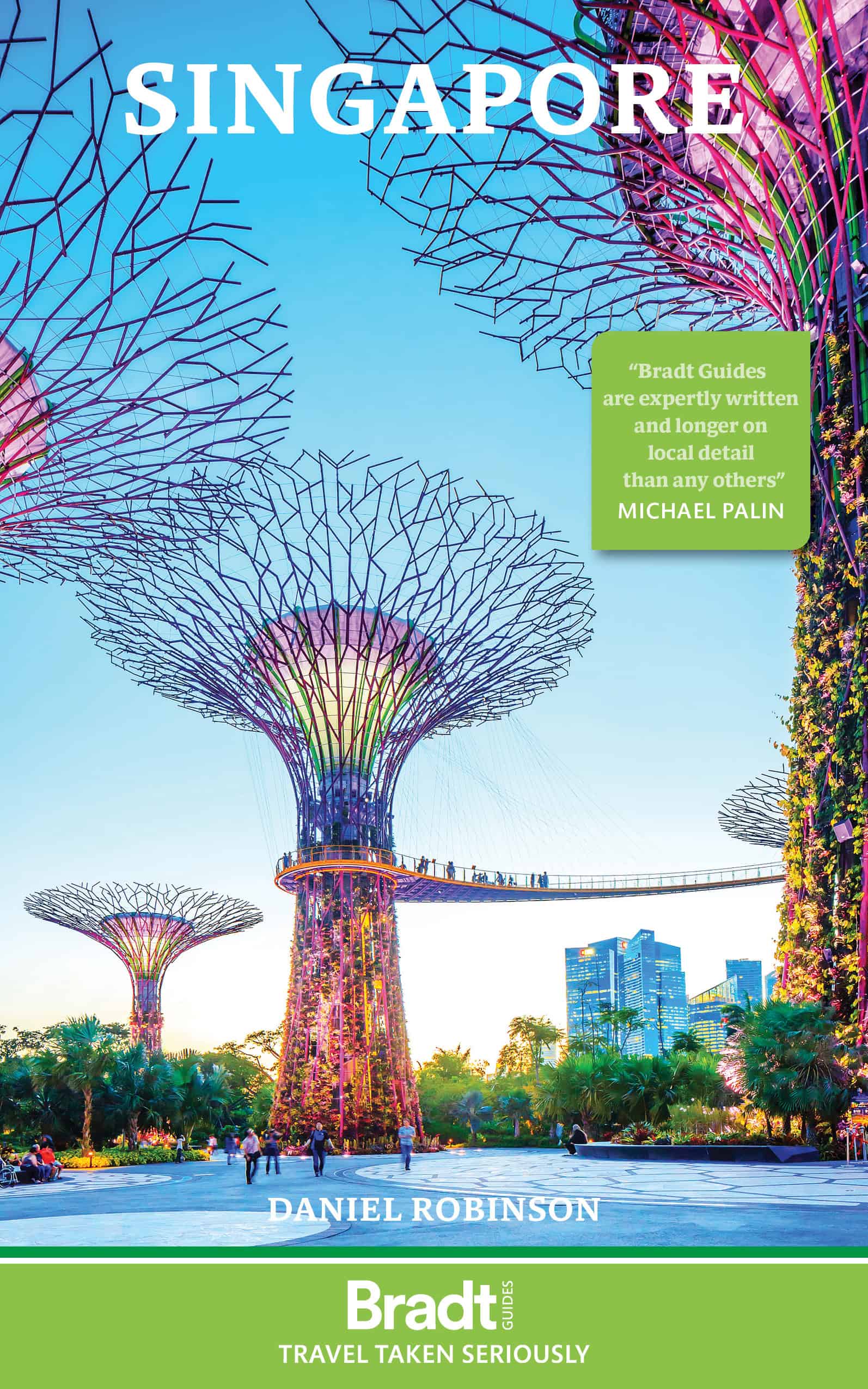
Bradt Singapore Guidebook
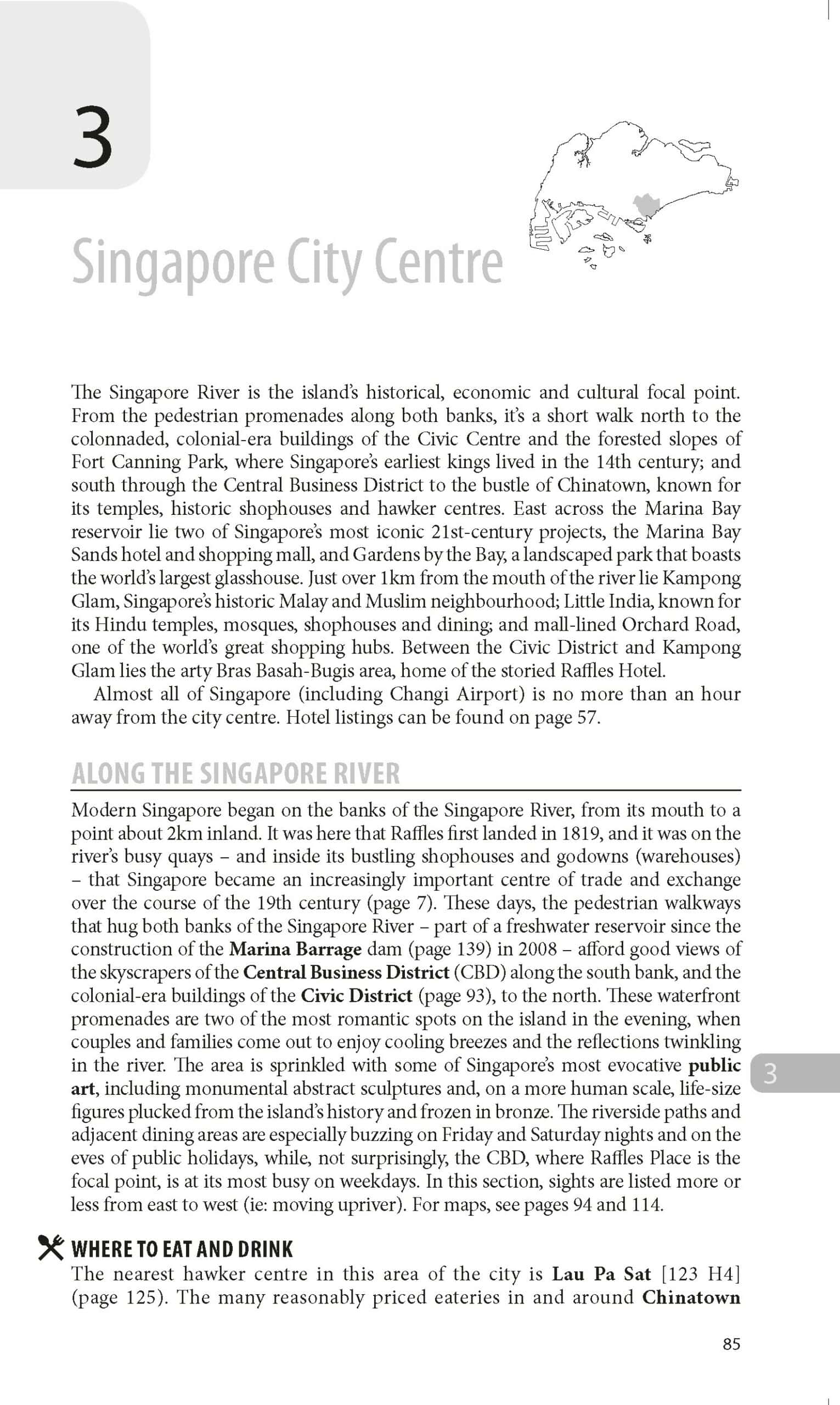
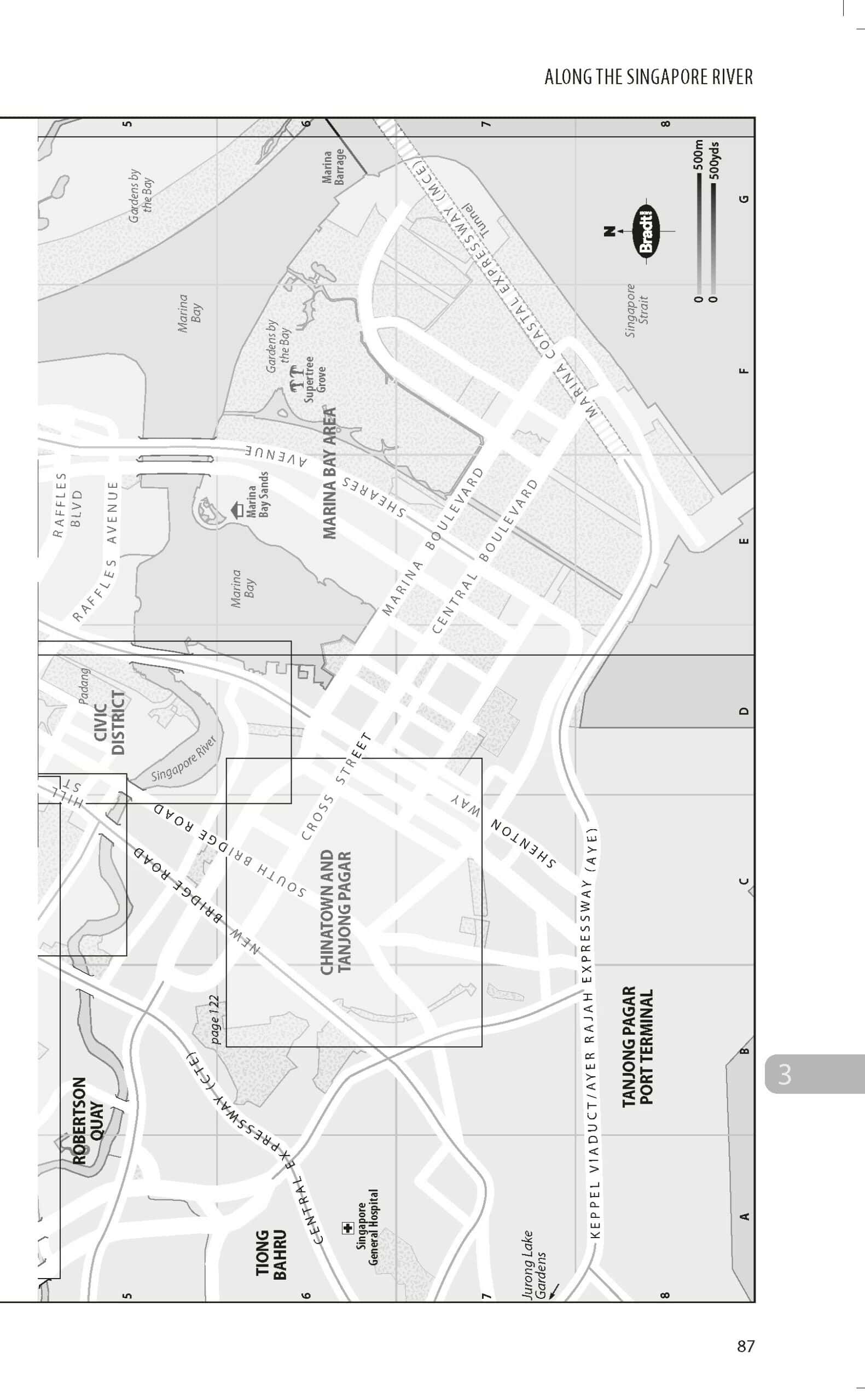
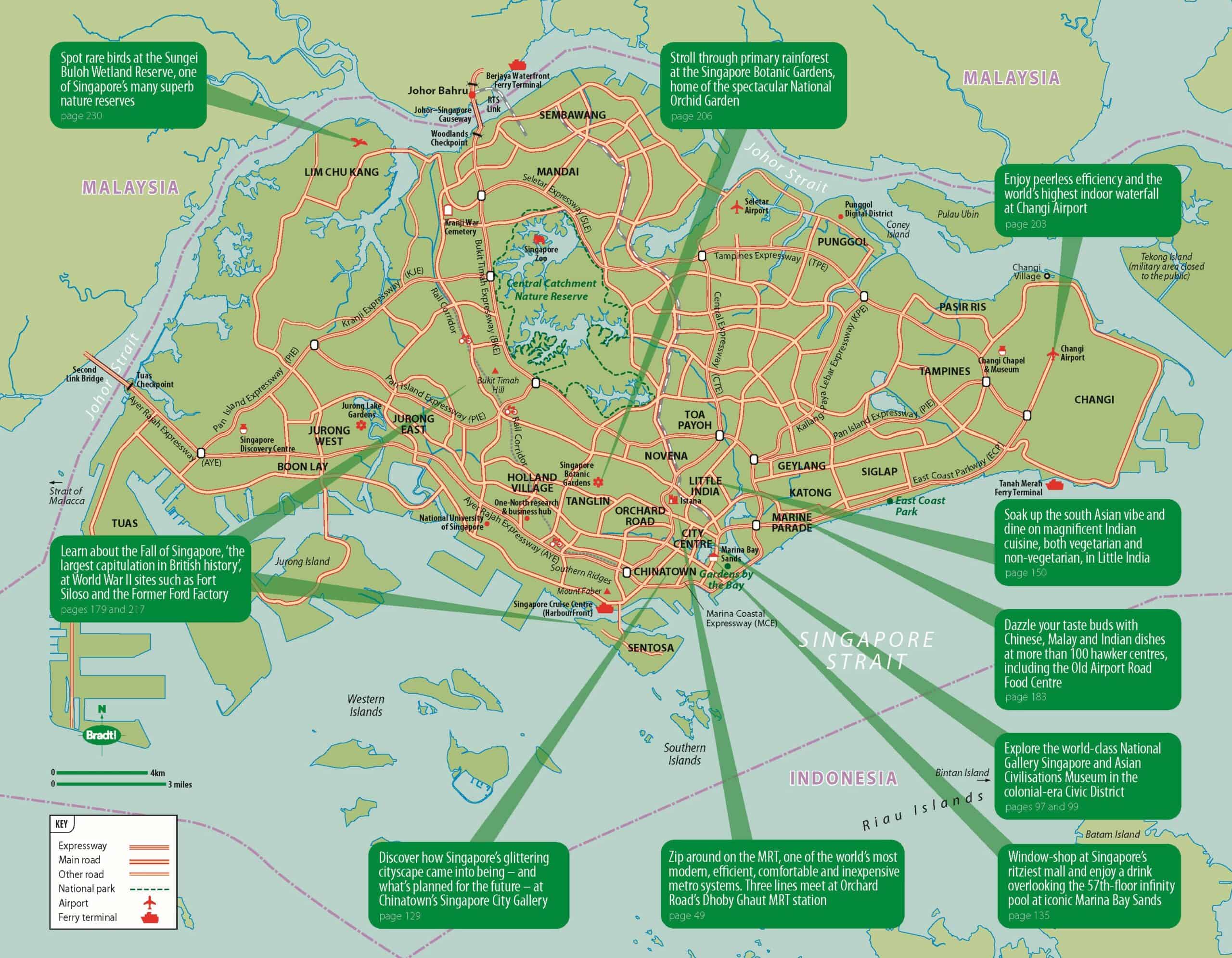
Singapore travel guide. Practical tips and advice for exploring Singapore plus nearby parts of Malaysia (Johor Bahru) and Indonesia (Riau archipelago). Features Singapore River, Orchard Road, Raffles District, Marina Bay, Sentosa, the southern islands, Kallang, Geylang and nature reserves. Covers where to stay, eat and drink, and how to get around.
Size: 135 X 216 mm
Edition: 1
Number of pages: 320
Related products
Bradt Singapore Guide
The most comprehensive and deeply researched guide ever published to one of the jewels of Southeast Asia.
About this guide to Singapore
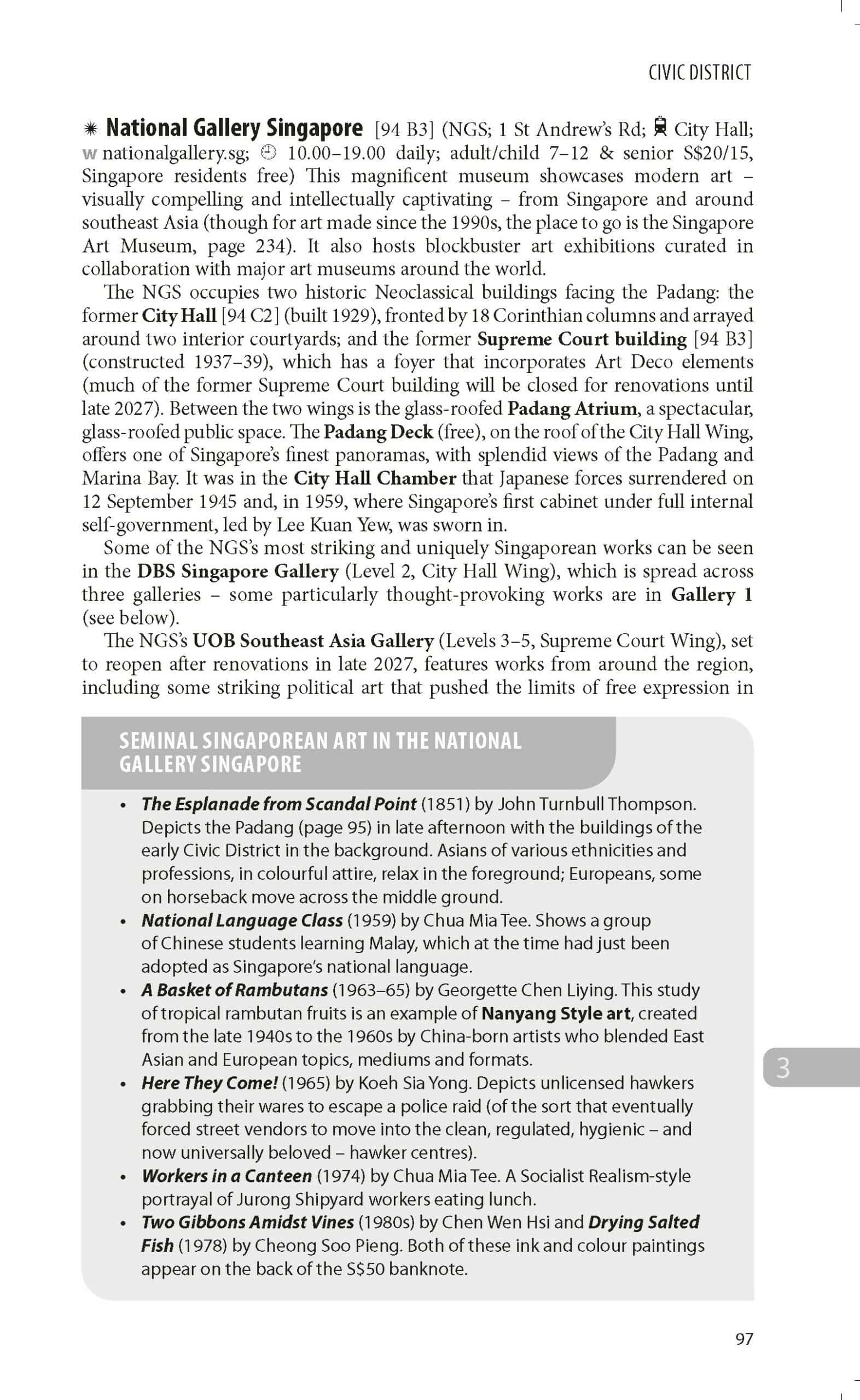
Bradt’s new Singapore guidebook is the most comprehensive and deeply researched guide ever published to one of the jewels of Southeast Asia. It offers both visitors and permanent residents insider tips on getting off the beaten track to discover how Singapore works and what really makes it tick.
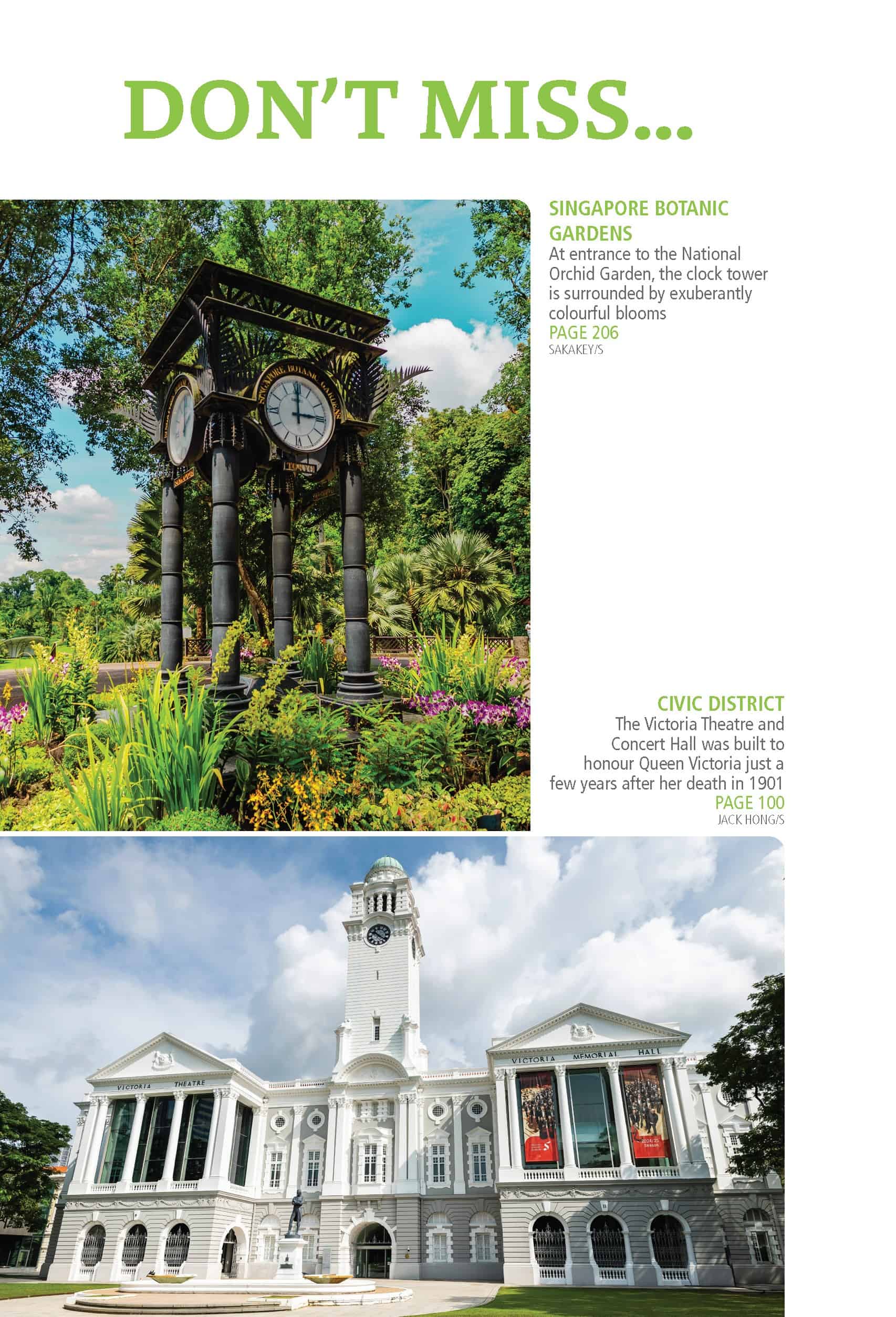
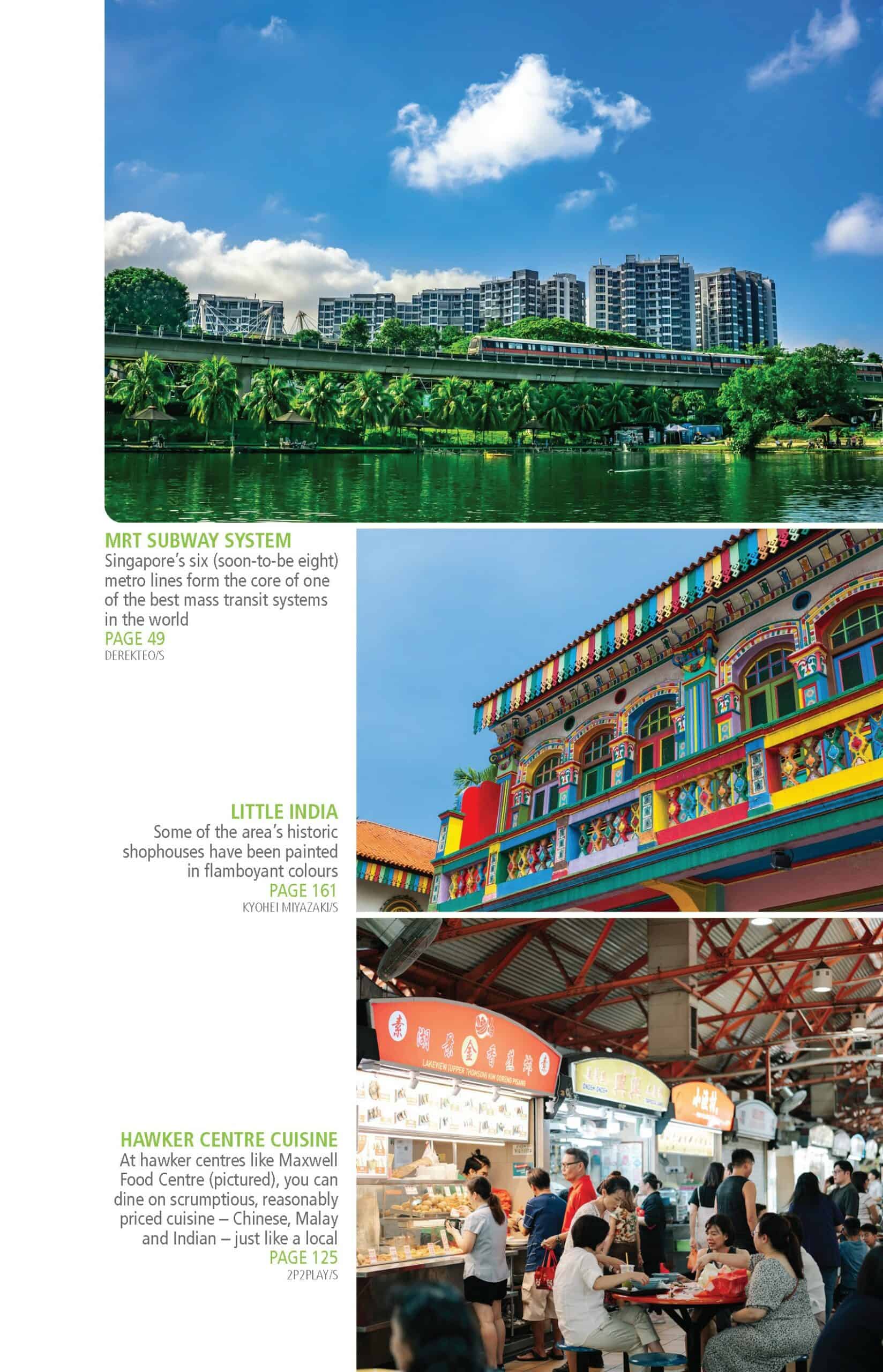
Perched at the Malay Peninsula’s southernmost tip, Singapore is English-speaking, reassuringly safe, spotlessly clean and – thanks to this guidebook’s detailed practical advice – remarkably easy to explore on foot and by metro, bus and rented bicycle. The cityscape abounds in eye-catching architecture, including 19th-century shophouses, vibrant temples, historic churches and iconic 21st-century skyscrapers, yet Singapore is also home to extensive rainforest reserves where playful but naughty monkeys are a constant, and perpetually captivating, menace.
Written by a local expert, and with a particular focus on family-friendly activities, Bradt’s Singapore guidebook reveals the best places to take an urban or rainforest stroll, have a picnic and find engaging public art (including government-sponsored ‘graffiti’) – as well as places that even Singaporeans seldom visit.
What makes this guide indispensable?
- Expert local knowledge – written by Daniel Robinson, an award-winning Southeast Asia specialist who has authored scores of travel guides over the past four decades.
- Coverage of places ignored by other guides – a hot spring, hidden beaches on offshore islands, birdwatching hotspots in coastal marshlands – also includes chapters on the dynamic Malaysian city of Johor Bahru and Indonesia’s Riau Islands
- Essential practical guidance – comprehensive advice on transport, accommodation, budgeting, cultural norms and everything an independent traveller needs to plan confidently
- Where to eat well – covers Singapore’s best hawker centres, including details on the Chinese, Malay and Indian food stalls that in-the-know Singaporeans flock to for their favourite dishes
Bradt has been the publisher of choice for adventurous, independent travellers to the world’s less-visited destinations for over 50 years. Rooted in genuine expertise and a love of discovery, this guide will help you plan with confidence, travel independently and experience Singapore to the fullest.
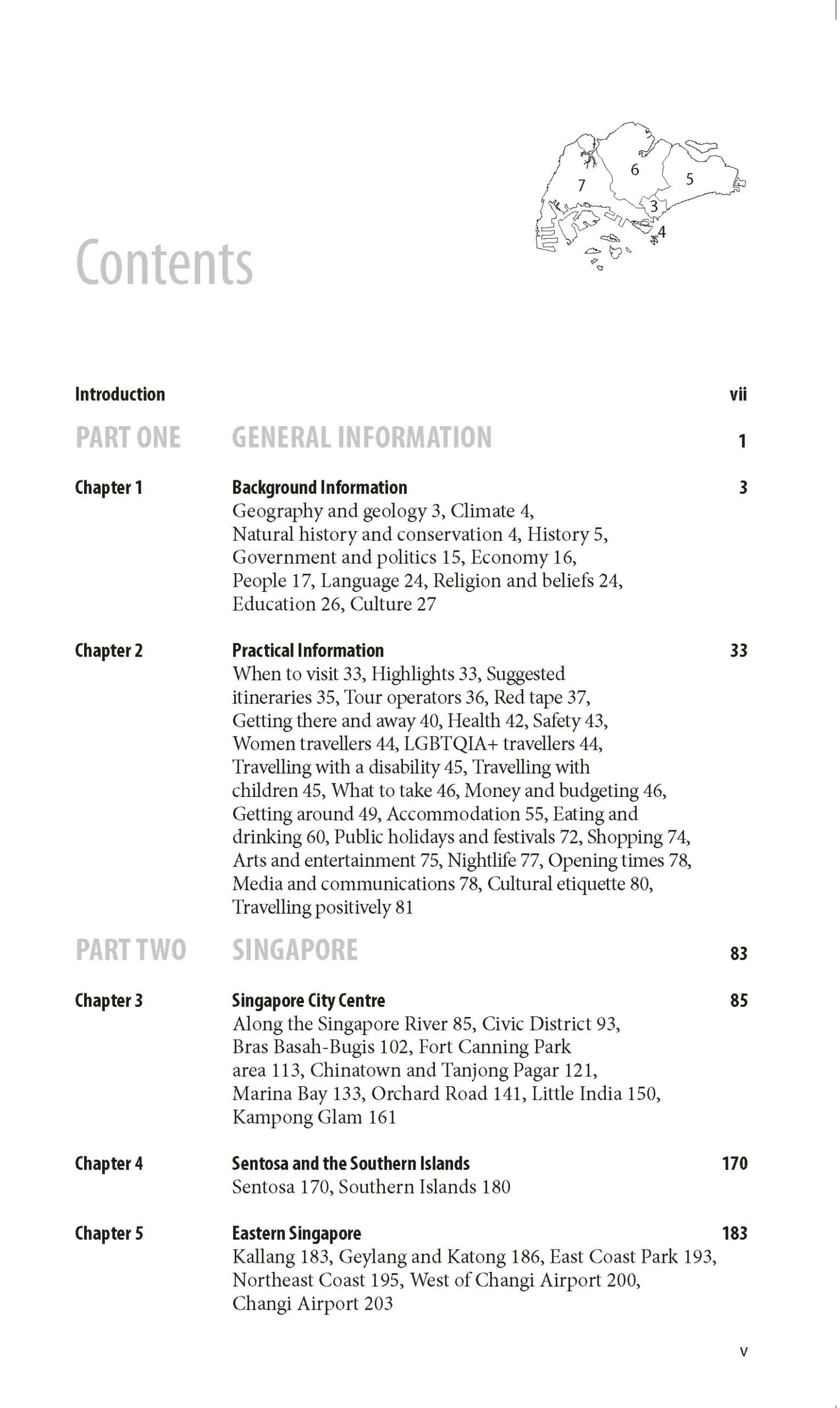
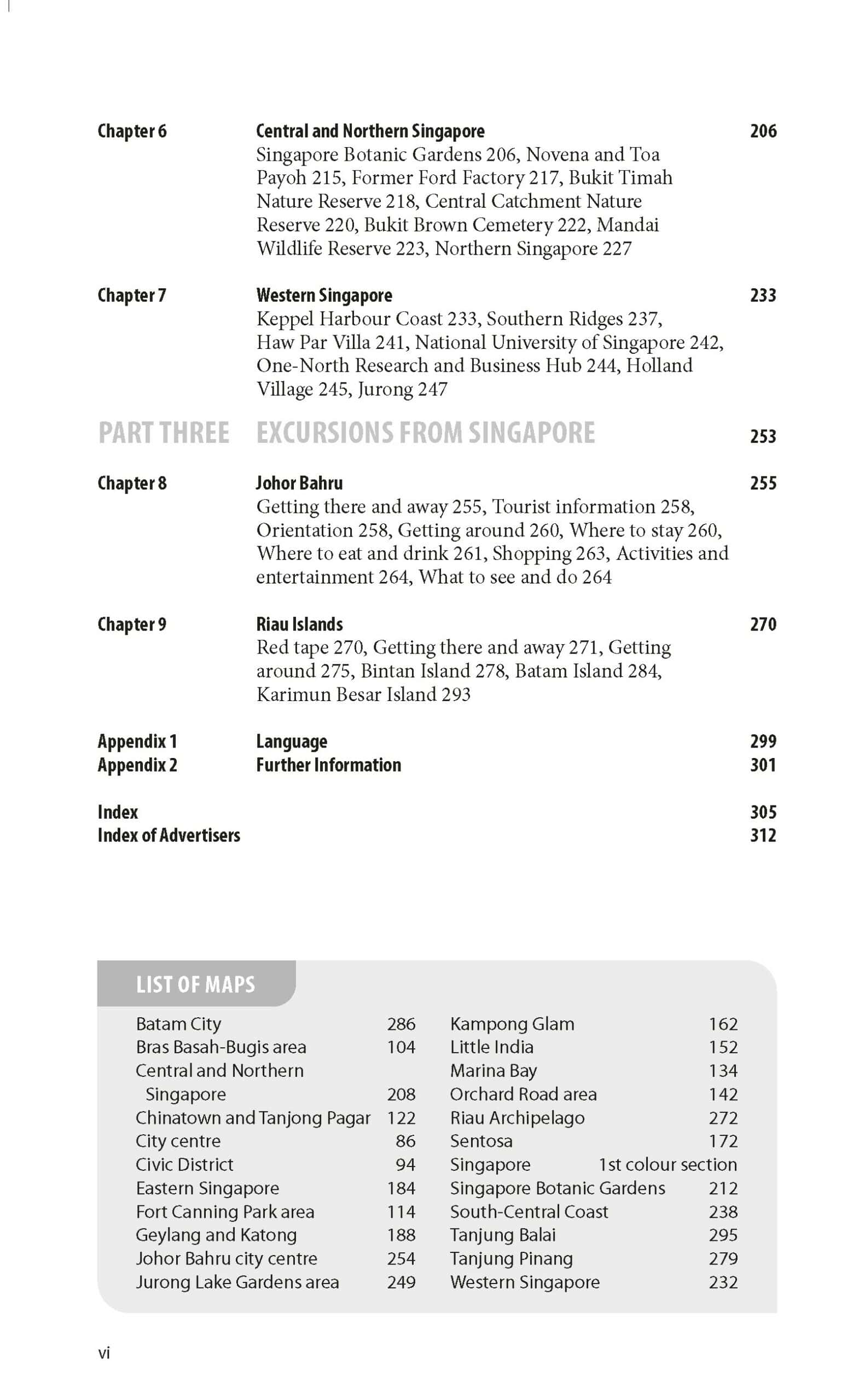
Contents
1 Background Information
2 Practical Information
PART TWO THE GUIDE
3 City centre
4 Sentosa and the Southern Islands
5 Eastern Singapore
6 Central & Northern Singapore
7 Western Singapore
PART THREE: EXCURSIONS FROM SINGAPORE
8 Johor Bahru (Malaysia)
9 Riau Archipelago (Indonesia)
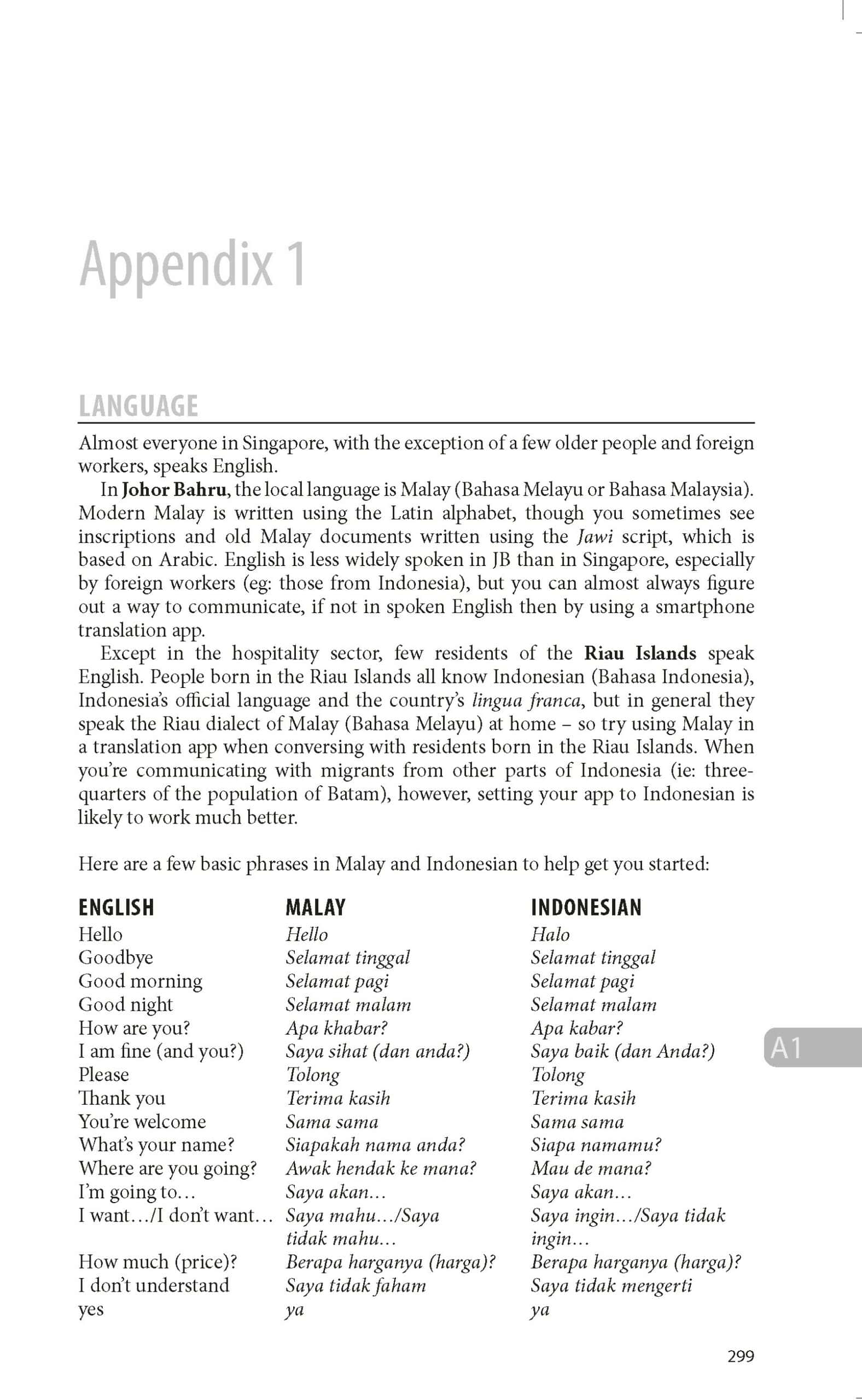
Appendices: Language; Glossary; Further Information
Index
About the author
Daniel Robinson has been writing travel guides to Southeast Asia for almost four decades. His pioneering, award-winning Lonely Planet guides to Vietnam and Cambodia, the latter co-authored with Tony Wheeler, helped introduce Indochina to backpackers and tourists in the very early 1990s. More recently, he has covered Cambodia and Borneo for both Lonely Planet and the New York Times. Throughout his career, Daniel has used Singapore as his regional base, a natural choice given his enduring love affair with the island – and its scrumptious hawker centre food! – and his wife’s stint as a sociology professor at the National University of Singapore. Over the decades, Daniel has explored Singapore’s lesser-known sights – back alleys, rainforest trails, bike paths and (possibly) haunted ruins – with intrepid Singaporean friends and has had a front-row seat as the island-state has transformed itself from the smallest of the ‘Asian Tigers’ into one of the world’s most dynamic and successful economies. He has also watched Singapore physically grow – thanks to land reclamation – from 680 sq km to 734 sq km. Daniel’s travel writing has been translated into ten languages.
Reviews
“A great read, mixing interesting and entertaining historical background with island-wide coverage of the ‘real Singapore’. Whether you’re a tourist looking for big-name attractions and places to dine or a resident who’s interested in ‘staycation’ options and fun activities for the kids, the Bradt Singapore guide will show you the way!”
Glenn van Zutphen, host of the ‘Saturday Mornings’ show on MoneyFM89.3 and past president of the American Association of Singapore
“The Bradt Singapore Guide is detailed yet succinct, up to date, very relevant and extremely practical. I suspect that even Singaporeans will find it useful for discovering gems they didn’t know were hiding in plain sight! I am especially delighted that Robinson highlights Singapore’s natural heritage, offering an abundance of useful tips on where to encounter Singapore’s indigenous flora and fauna, including the critically endangered straw-headed bulbul (Pycnonotus zeylanicus), one of the world’s rarest songbirds.”
Dr Seng Beng Yeo, president emeritus, Nature Society Singapore
“The only guide to Singapore that blends the keen observations of an outsider, including particularly insightful coverage of history, architecture and culture, with the rooted expertise of a local. Robinson’s detailed guide will be illuminating to visitors and long-term residents alike.”
Michael Ewing-Chow, professor of law emeritus, National University of Singapore
“A comprehensive, fun-to-read guide whose suggestions on what to see, do and eat span the length and breadth of the island. Includes extremely practical tips on visiting heritage sites, nature reserves, and urban and wildlife parks. An excellent introduction to Singapore for tourists, adventurers, birdwatchers and even locals!”
Dr Leonard Koh, avid Singaporean bird watcher
“A really fun read, with lots of historical anecdotes, and a great source of information on culture, the arts, nature experiences and, really, all that there is to do in Singapore.”
Jean Cai, gallery guide at Singapore’s major art and heritage museums