
The most beautiful places in Madagascar
Planning a trip? Discover the most beautiful places in Madagascar, from tropical beaches and ancient baobabs to breathtaking national parks.
Beautiful places in Madagascar you need to know about
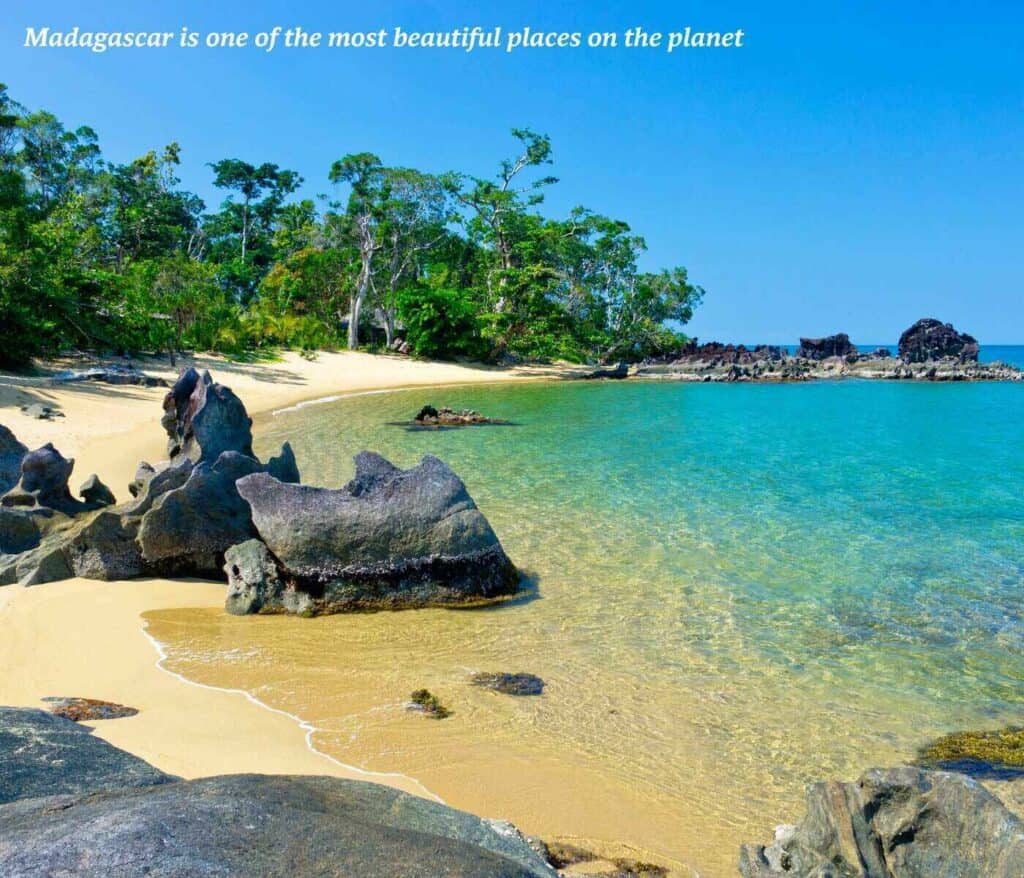
Often described as the ‘eighth continent’, Madagascar is home to some of the most beautiful and diverse landscapes on Earth. Isolated in the Indian Ocean for millions of years, the island has evolved into a destination unlike any other, where ancient baobab trees, dramatic limestone pinnacles, lush rainforests and idyllic white-sand beaches create stunning scenery at every turn.
While Madagascar is famous for its extraordinary wildlife, its natural beauty extends far beyond the animals that call it home. From the iconic Avenue of the Baobabs and the towering tsingy formations of Bemaraha to the turquoise waters of Nosy Be and the rugged canyons of Isalo National Park, the island offers an incredible variety of landscapes waiting to be explored.
Add world-class diving, scenic hiking trails, and the warmth and hospitality of the Malagasy people, and it’s easy to see why Madagascar is one of the most rewarding destinations in the world.
In this article, we’ll highlight some of the most beautiful places in Madagascar and why each of them deserves a spot on your travel itinerary.
Buy the Madagascar guidebook
Before you delver into the article, check out the Madagascar guidebook that inspired it:

The best places to go in Madagascar
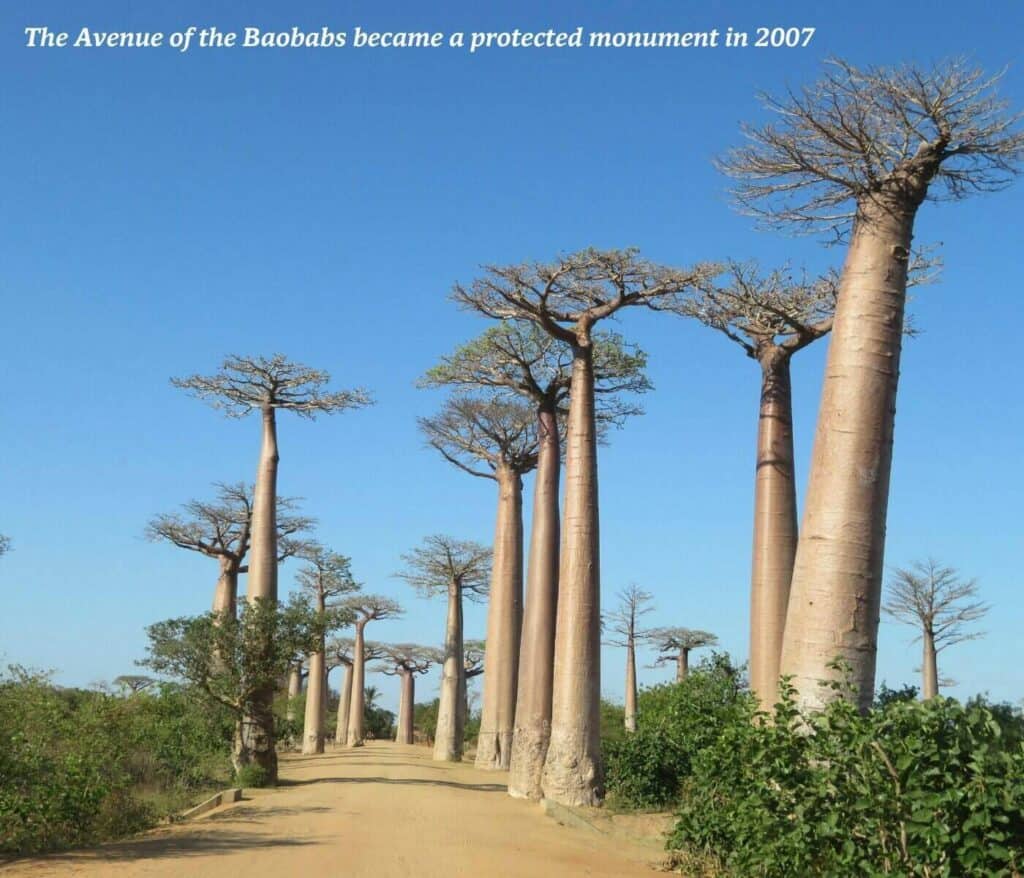
Avenue of the Baobabs
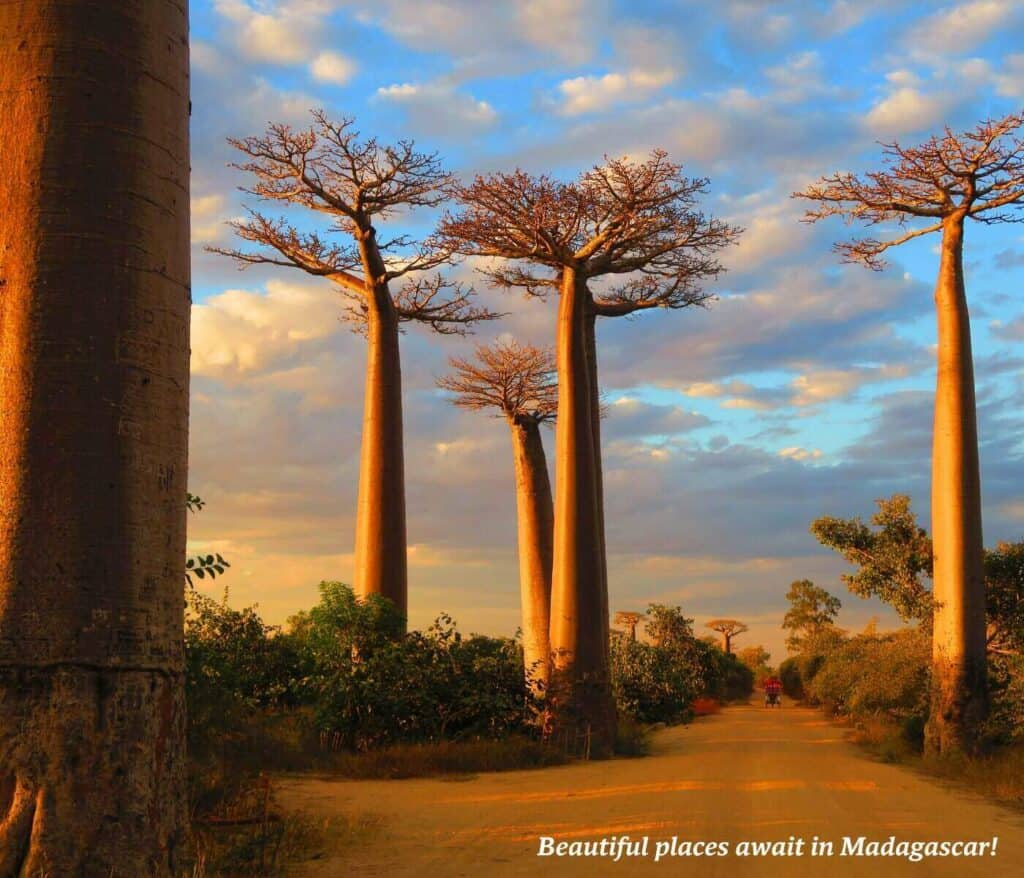
This cluster of towering Grandidier’s baobabs is one of Madagascar’s most famous views. In 2007, the avenue became an officially protected natural monument. The best light for photography is just before sunset – it brings out the red hue in the bark – but gone are the days when you could hope to have the Avenue to yourself at this time. Now, at almost any time of year, a large crowd descends to watch the spectacle, both foreign and Malagasy (the setting has even become popular with Malagasy newlyweds having their photos taken in their wedding garb).
This can make it challenging to enjoy the area in peace.
But here’s a top tip: the moment the sun disappears over the horizon, most of the crowd will disperse to head back to their hotels for dinner. If you have time and are feeling lucky, hang around a while. The most strikingly colourful skies and best backdrops for the silhouetted avenue often come around 20 minutes after the sun has set.
Stay a little longer, and it’s easy to understand why exploring the Avenue of the Baobabs is one of the best reasons to visit Madagascar.
Our recommended Madagascar operators
Independent travel in Madagascar is certainly possible, but the country’s size, diverse regions and unique attractions mean that local knowledge can make a real difference. From choosing the best routes and timing your visits to discovering lesser-known highlights, having experienced local experts on hand helps you get the most out of your trip.
As a result, many visitors choose to work with trusted local partners to plan seamless itineraries, access authentic experiences and explore Madagascar with confidence.
Here are some of our favourites:
Tsingy de Bemaraha National Park
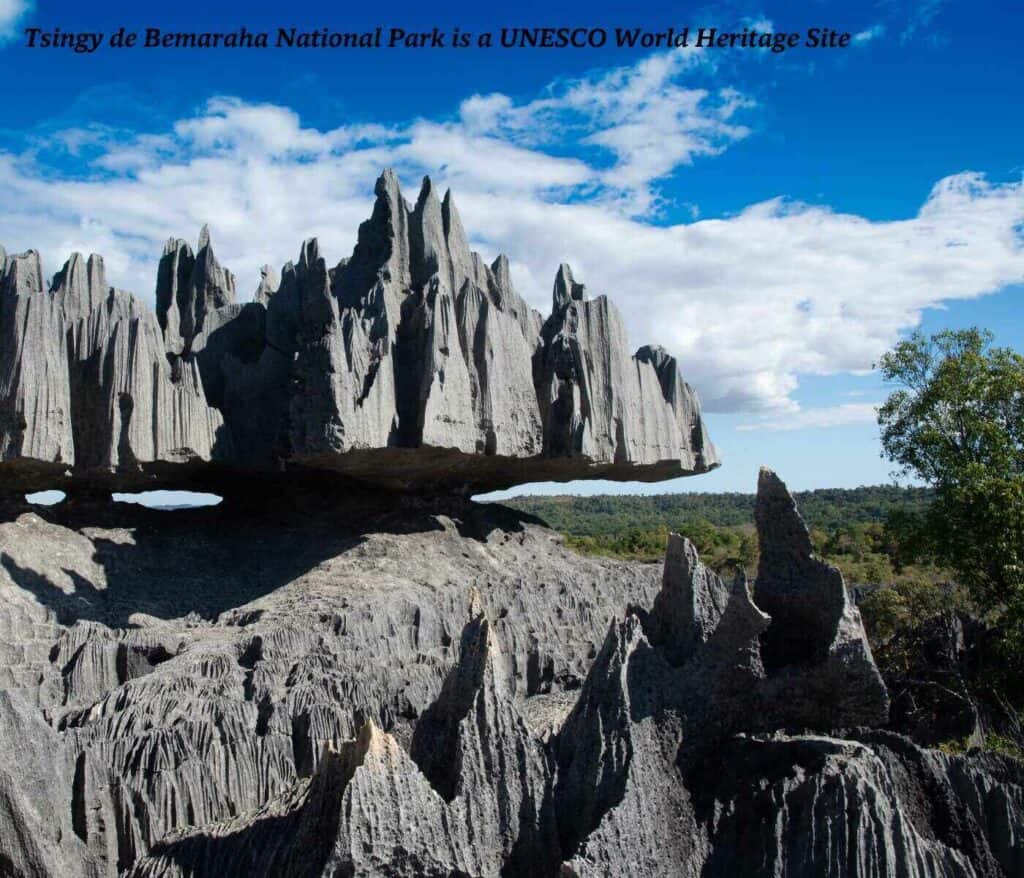
Protecting the country’s largest area of tsingy, Tsingy de Bemaraha National Park is one of the wonders of Madagascar and has rightly been recognised as a UNESCO World Heritage Site.
The scenery rivals anything in the country and it’s a treasure trove for botanists. The awe-inspiring grey forest of rock pinnacles is matched by the care with which walkways have been constructed to allow visitors to see this place in safety. Steps, boardwalks, ladders, cables and suspension bridges have been installed with phenomenal expertise to form a pathway allowing tourists to explore the tsingy in safety. Amid all this grey are splashes of green from the pachypodiums and other strange succulents which find footholds in the crevices.
And there’s plenty of wildlife too, including Decken’s sifakas, red-fronted brown lemurs, chameleons, collared iguanids, crocodiles, forest rats and scops owls.
Nosy Be
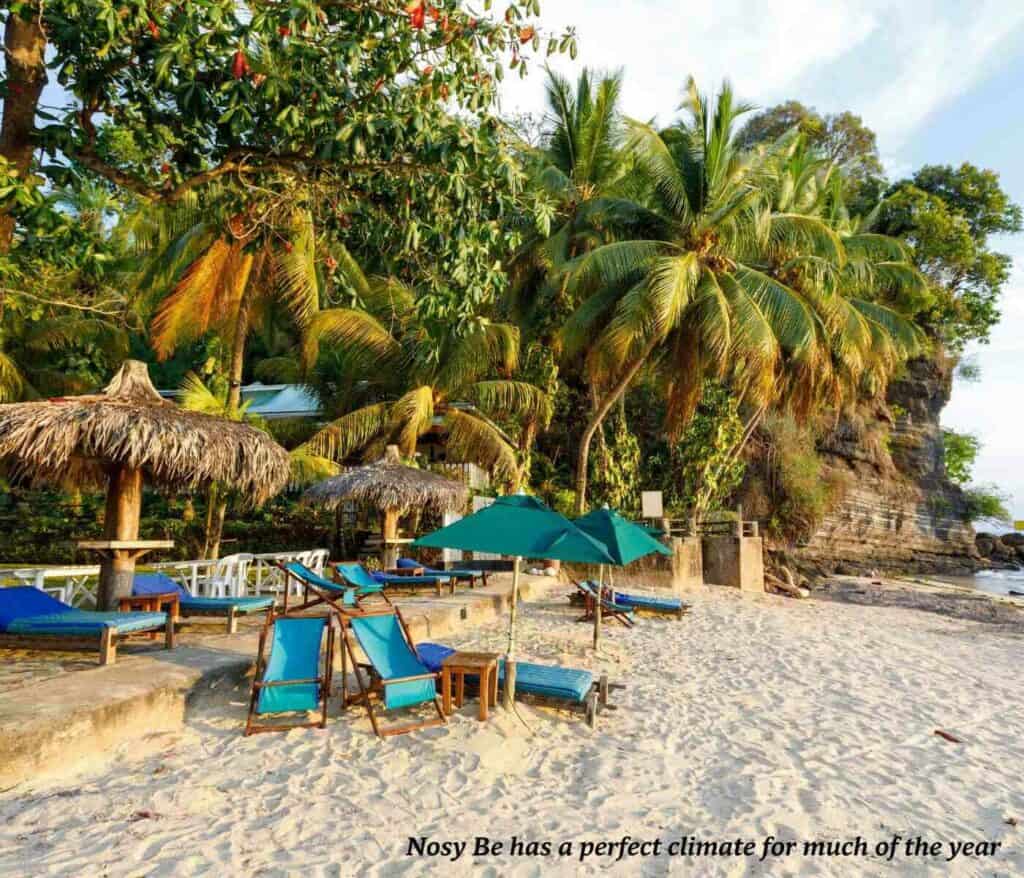
The name means ‘big island’ and is pronounced ‘nossy bay’ by the local Sakalava people, although ‘nooss bay’ is nearer the highland pronunciation. It is blessed with an almost perfect climate for much of the year. Fertile and prosperous, with the heady scent of ylang-ylang blossoms giving it the tourist-brochure name of ‘Perfumed Isle’, this is the place to come for pure relaxation.
Tourism developed here long before the mainland, so inevitably, the island seems touristy to adventurous travellers. That said, Nosy Be has much to offer – from good seafood and beaches to scuba-diving and boat trips.
The island’s beaches range from long stretches of pale sand backed by coconut palms to smaller, quieter coves where the water is shallow and exceptionally clear. Offshore, tiny forested islets, rocky headlands and vivid blue channels add to the scenery, while the island’s volcanic hills provide a lush backdrop.
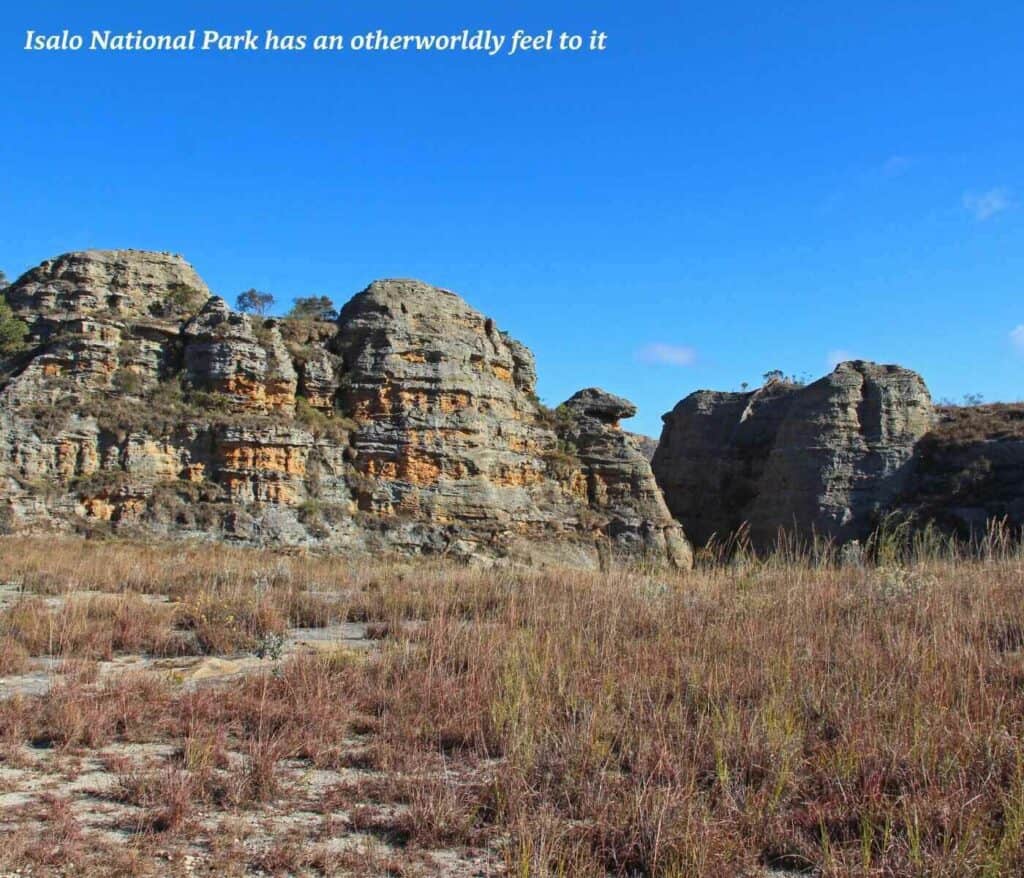
Isalo National Park
The combination of sandstone rocks cut by deep canyons and eroded into weird shapes, rare endemic plants and dry weather for most of the year makes this Madagascar’s most popular national park.
For botanists there are Pachypodium plants and a locally endemic Aloe; and for lemur lovers there are sifakas, brown lemurs and ring-tails. Isalo is also sacred to the Bara; for hundreds of years they have used caves in the canyon walls as burial sites.
While you should be careful not to overestimate your ability here, the effort is rewarded with spectacular panoramic views, hidden natural pools and dramatic rock formations. Whether you’re hiking through its striking canyons or watching the landscape glow at sunset, Isalo is one of Madagascar’s most unforgettable destinations.
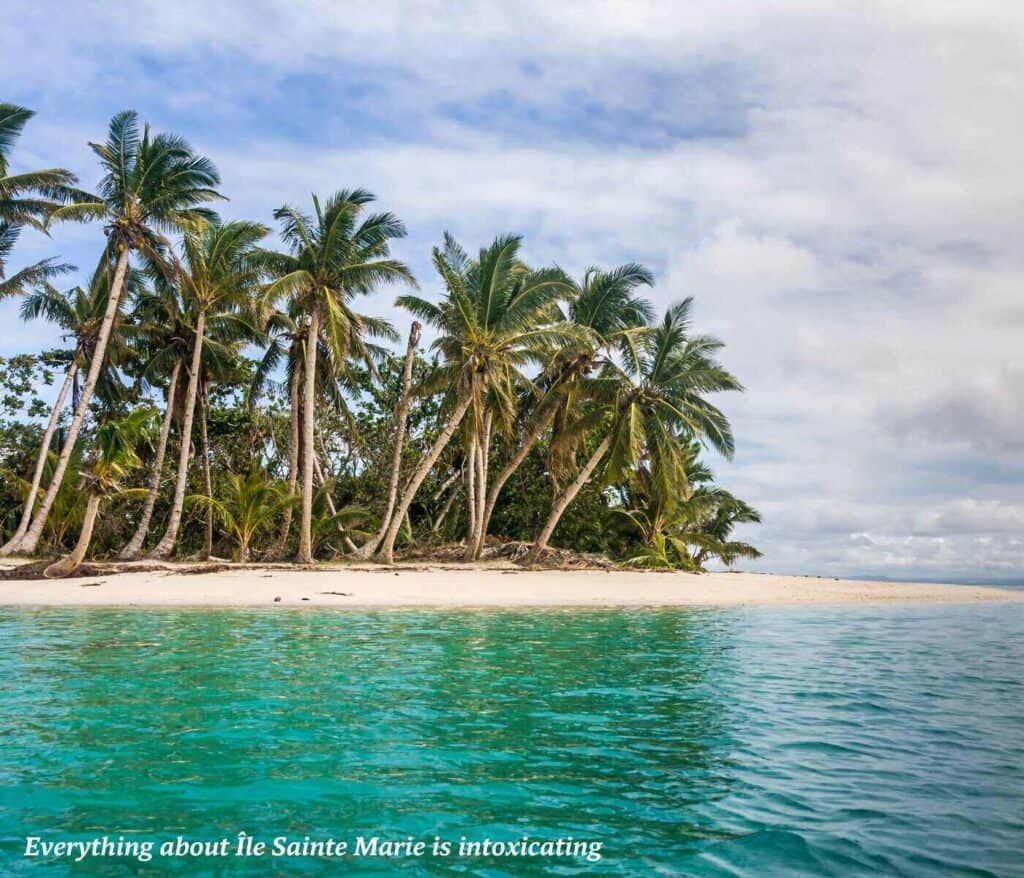
Île Sainte Marie (Nosy Boraha)
Here is a cliché of a tropical island with endless deserted beaches overhung by swaying palms, bays protected from sharks by coral reefs, hills covered with luxuriant vegetation and fantastic whale watching in season. Although developed for tourism, it has been done in a tasteful, low-key way and the island maintains a traditional ambience: most of the hotels are small-scale with rustic bungalows.
Due east of Soanierana-Ivongo, the island is 50km long and 7km at its widest point, with the much smaller – but even more delightful – Île aux Nattes just off its southern tip. The only significant town is Ambodifotatra; other small villages comprise mainly bamboo and palm huts.
Everything about Île Sainte Marie is intoxicating: the smell of cloves drying in the sun, the taste of coco rum and the warmth of the sea. It’s an easy place to spend longer than you planned.
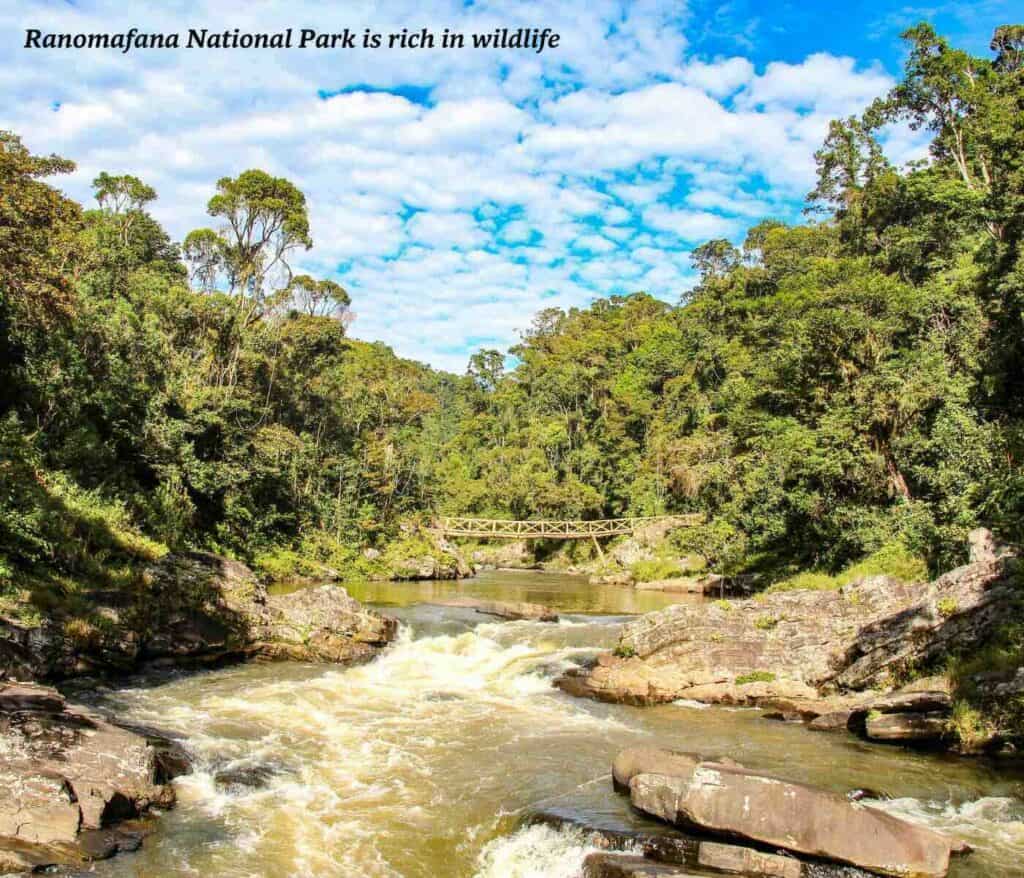
Ranomafana National Park
Particularly rich in wildlife, this hitherto unprotected fragment of mid-altitude rainforest first came to the world’s attention with the discovery of the golden bamboo lemur in 1986.
Among the trees are 11 further species of lemur, including red-fronted brown, red-bellied and black-and-white ruffed lemurs, as well as Milne-Edwards’ sifaka, two more types of bamboo lemur and five nocturnal species. Then there are the birds: some 118 species with 36 endemic. And an incredible 147 species of amphibians and reptiles, as well as a colourful and diverse selection of butterflies and other insects.
There is a large network of maintained trails in this 41,604ha reserve. Many lead through areas of primary forest, where towering trees, thick tangles of vines and a quieter atmosphere make it easy to appreciate the rainforest at its most impressive.
Ifaty and Mangily
These two names are used interchangeably for the whole area nowadays although, technically speaking, Ifaty is a small fishing village 24km north of Toliara and Mangily is a separate village 4km further on.
Indeed, Mangily has grown into a bustling tourist resort – the beach is busy with children selling shells or asking for cadeaux and young women offering massages, and in the village lively merrymaking goes on well into the night.
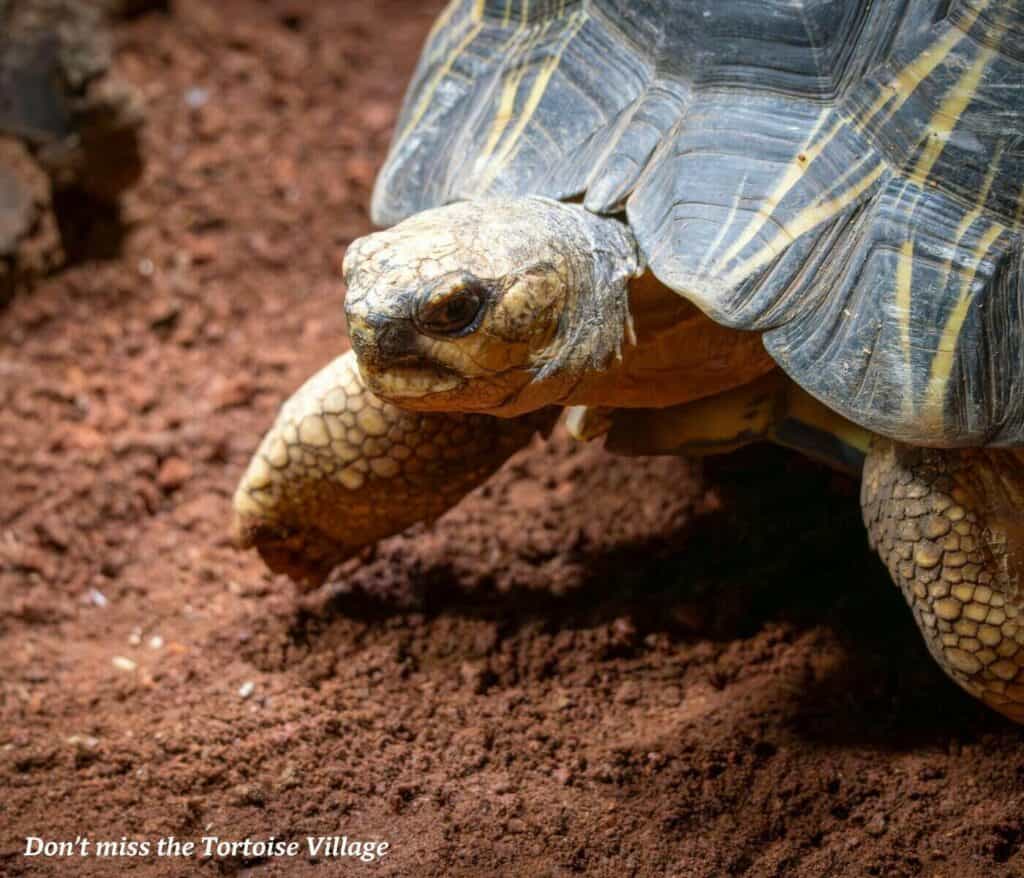
Birders can explore Reniala Forest before sunrise, wildlife enthusiasts can visit the Tortoise Village, established by a group of conservation organisations to protect the two southwestern species of tortoise – the spider and radiated tortoise – and those keen to get in the water can go snorkelling at a patch of offshore reef known as Massif des Roses.
- Recommended reading: Madagascar’s famadihana – the turning of the bones
Ankarana Special Reserve
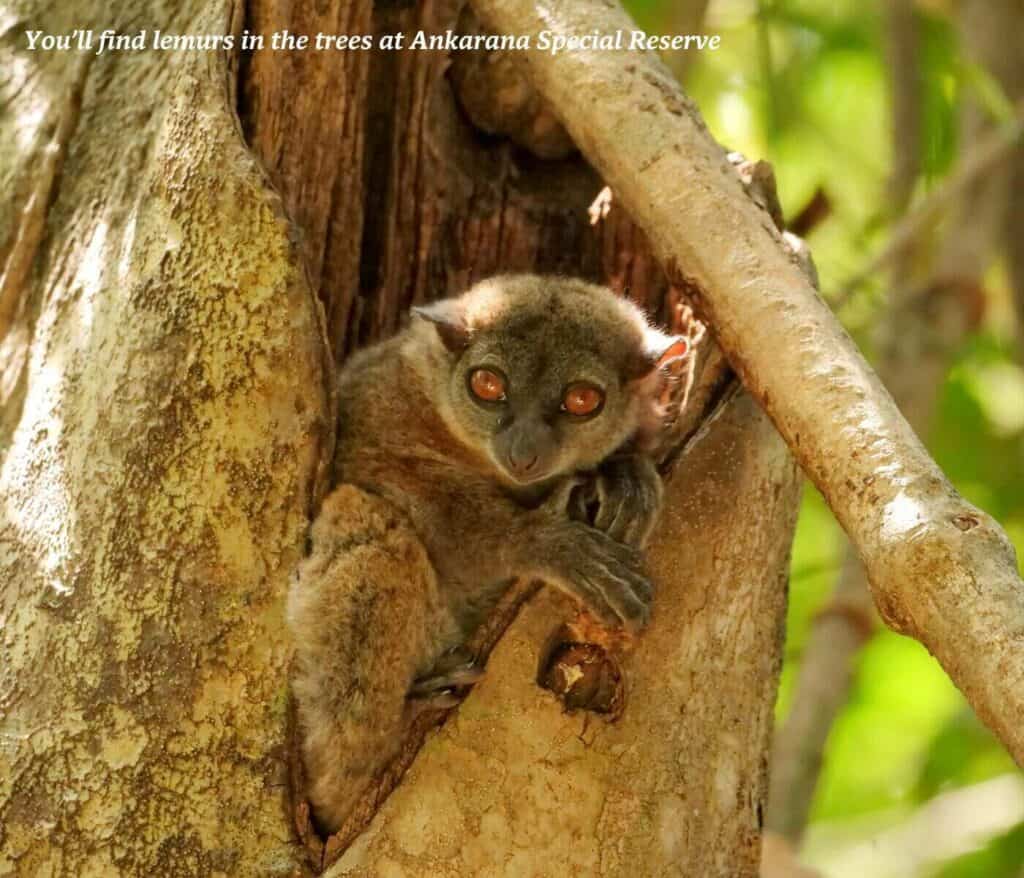
Just 3 hours or so south of Antsiranana is the limestone massif of Ankarana. An ‘island’ of tsingy and forest, the massif is penetrated by numerous caves and canyons. Some of the largest caves have collapsed, forming isolated pockets of river-fed forest with their own perfectly protected flora and fauna. Dry deciduous forest grows around the periphery and into the wider canyons. Board walks, suspension bridges and viewpoints have been constructed to allow safe passage over the tsingy, protecting the fragile rock while you admire the strange succulents such as pachypodiums, which seem to grow right out of the limestone.
The caves and their rivers are also home to crocodiles, some reportedly 6m long. Their presence is an enigma – this underworld of darkness would not seem to be a suitable habitat for large cold-blooded reptiles at all – and they are thought to be the only Nile crocodiles in the world leading a troglodytic existence.
You can find more interesting Madagascar facts here.
Nosy Iranja
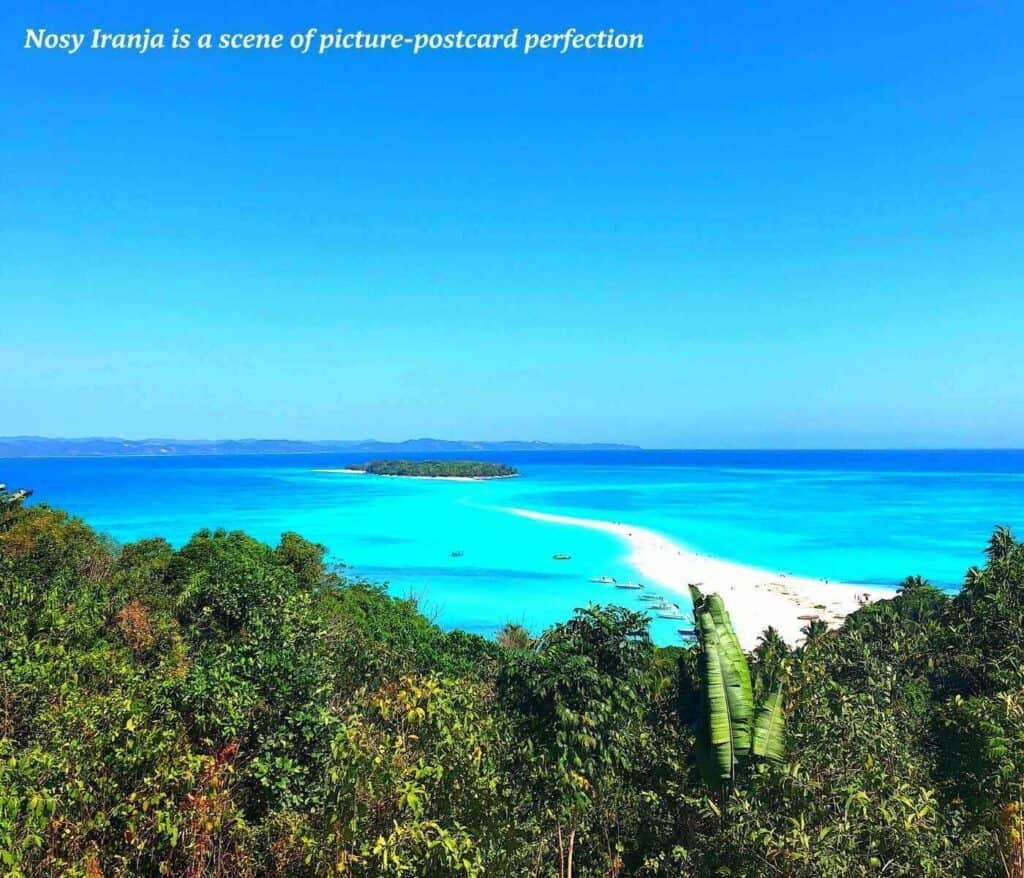
Some 50km southwest of Nosy Be is a scene of picture-postcard perfection. In almost any video extolling the beauty of Madagascar, you’ll see drone footage of this small pair of white sand-fringed islands connected by a 1.3km sandbar (walkable at low tide), surrounded by incredibly clear turquoise waters. On the larger island is a charming old lighthouse designed by Gustave Eiffel of Eiffel Tower fame.
Some years ago, a luxury hotel was built amid considerable controversy, but it soon closed down. Today it is possible to visit as a day trip or on a yacht charter – or stay overnight in one of the 24 simple bivouacs of Chez Olivia.
Beautiful places await…
Madagascar’s landscapes are as varied as they are distinctive. In one trip, you can walk through rainforests alive with wildlife, stand beneath centuries-old baobab trees, explore jagged limestone formations and end the day on a quiet tropical beach. Each region has its own character, shaped by the island’s unique geography, climate and biodiversity.
While it’s impossible to see everything in a single visit, choosing a mix of destinations gives a much broader picture of what makes Madagascar so special. Whether you’re drawn to national parks, offshore islands or dramatic natural landmarks, these are the places that showcase the island at its best and are well worth including in your itinerary.
Happy travels!
Our guide to Madagascar
For more information, see our Madagascar guidebook: