Your guide to hiking in Canada
Including information on what to pack and which trails to choose, this guide to hiking in Canada will help you prepare for your next outdoor adventure!
Hiking in Canada: what you need to know
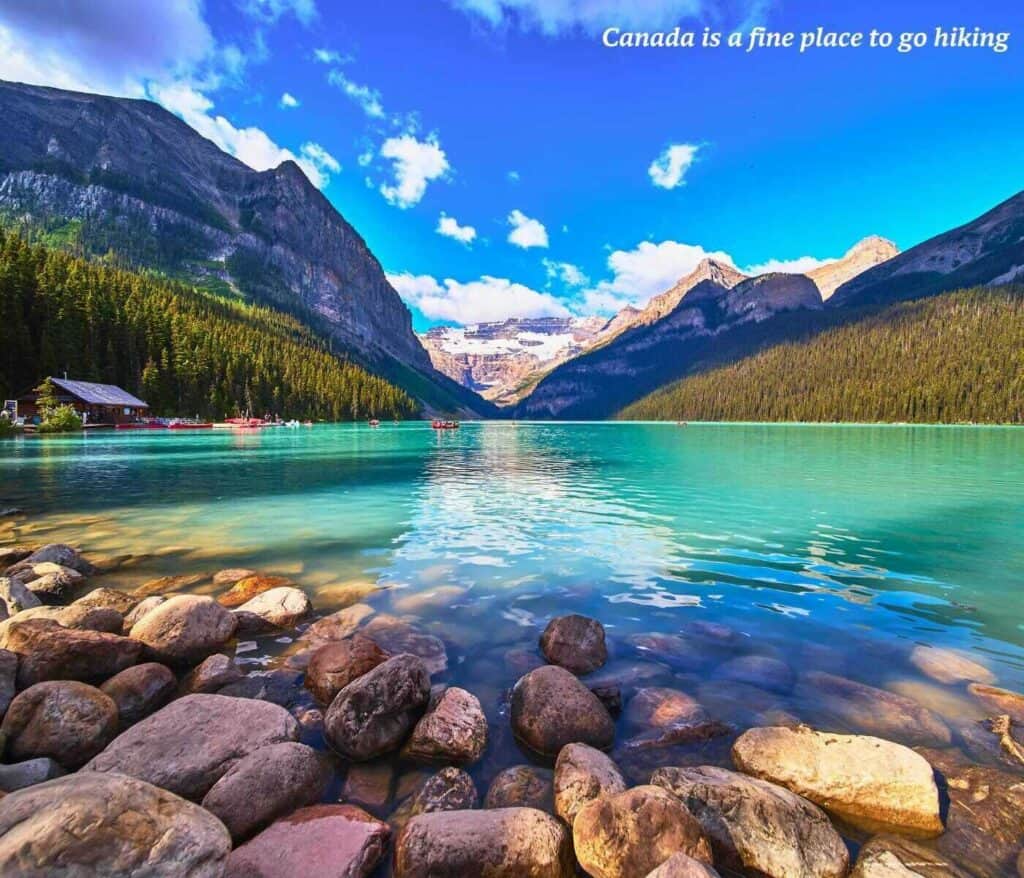
If you enjoy a good hike, Canada is a fine place to do it. You’ll find variety readily available to you. You could choose to wind your way along a turquoise lake beneath the Rockies one weekend and find yourself squelching through a rainforest on Vancouver Island the next.
To enjoy a good hiking adventure in Canada, you don’t have to be very ambitious. You just need to prepare.
Canada’s vast size means that no two hiking regions are quite the same. Trails range from gentle lakeside walks and well-maintained day hikes to challenging backcountry routes that take you deep into remote wilderness. Weather conditions can also change dramatically depending on where you are and what time of year you visit. A sunny morning can quickly give way to rain, strong winds, or even snow at higher elevations.
Fortunately, most hiking destinations are accessible to beginners and experienced trekkers alike. With the right clothing, a little planning and a basic understanding of local conditions, you can safely enjoy some of the most spectacular landscapes in the world. Before lacing up your boots, it’s worth learning a few essentials about trail safety, the gear you’ll need and how to choose your route.
Pre-order our British Columbia guide:
You can pre-order our guide to British Columbia here:
What to pack for hiking in Canada
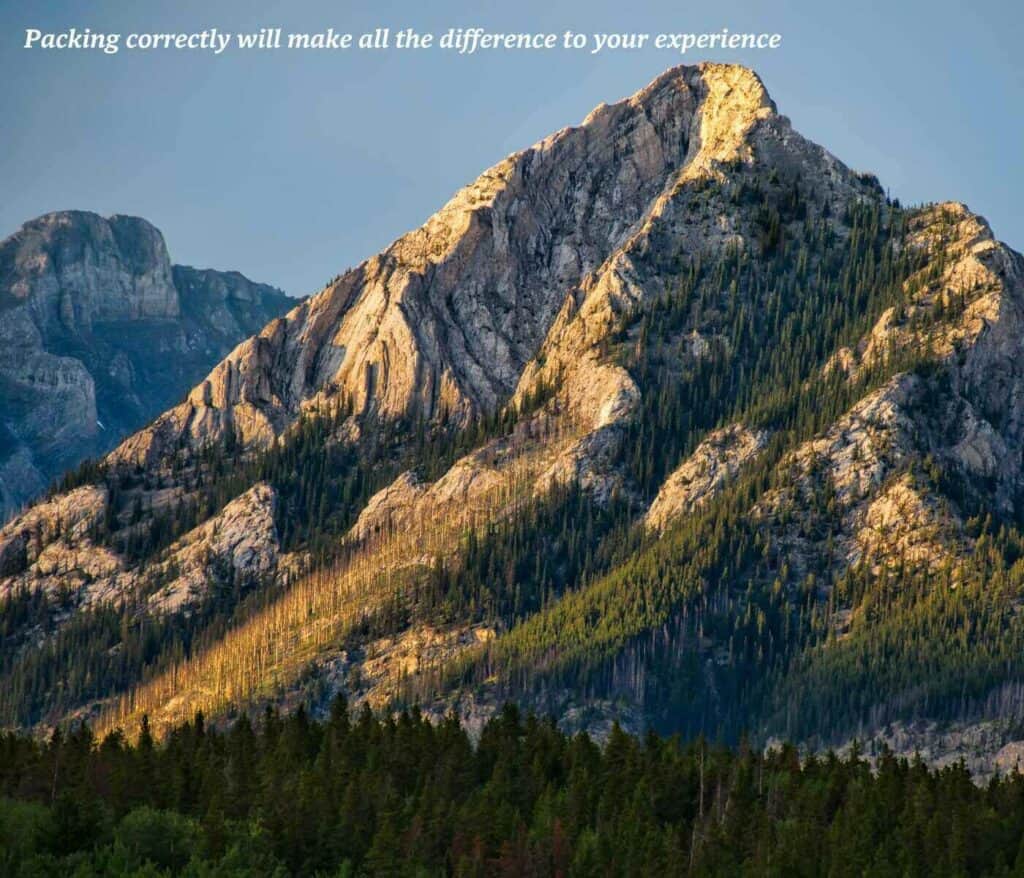
What you take with you on a hiking trip in Canada can make or break the experience.
Conditions can vary enormously depending on the region, season and elevation. A trail that begins in warm sunshine can quickly lead to cooler temperatures, strong winds, or unexpected rain.
Even on shorter hikes, carrying the right gear can help keep you comfortable and prepared for changing conditions.
Here are a few key considerations before you set off.
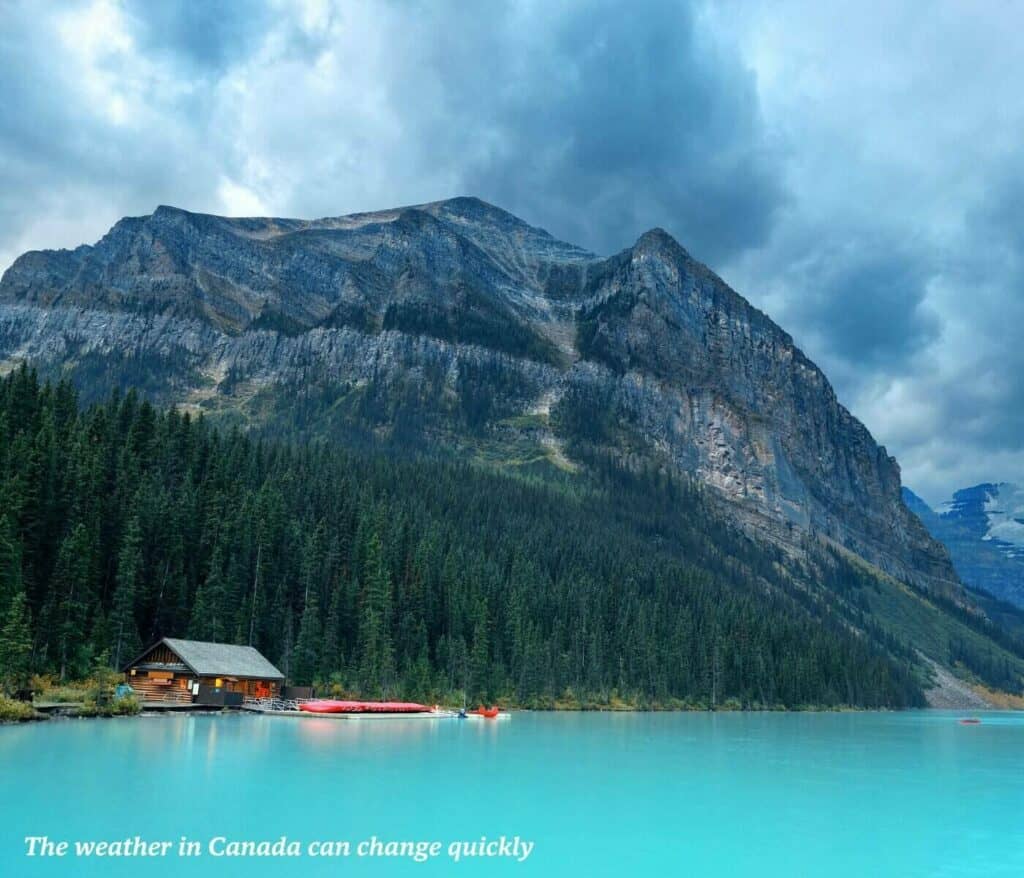
Clothing
In Canada, layers are important.
A sunny morning at a trailhead can turn into sleet by lunchtime once you’ve gained any real elevation. A merino base layer, a fleece or insulated mid layer and a proper waterproof shell will see you through most conditions.
You can pair these with broken-in boots that have decent ankle support, which will do far better than trainers that look the part but will likely fall apart the minute you encounter difficult terrain.
It’s also worth packing a warm hat and a lightweight pair of gloves, even during the summer months, particularly if your route takes you into alpine areas. Dry spare socks can make a surprising difference to comfort on longer hikes and may prove invaluable if you find yourself crossing streams or trudging across wet ground.
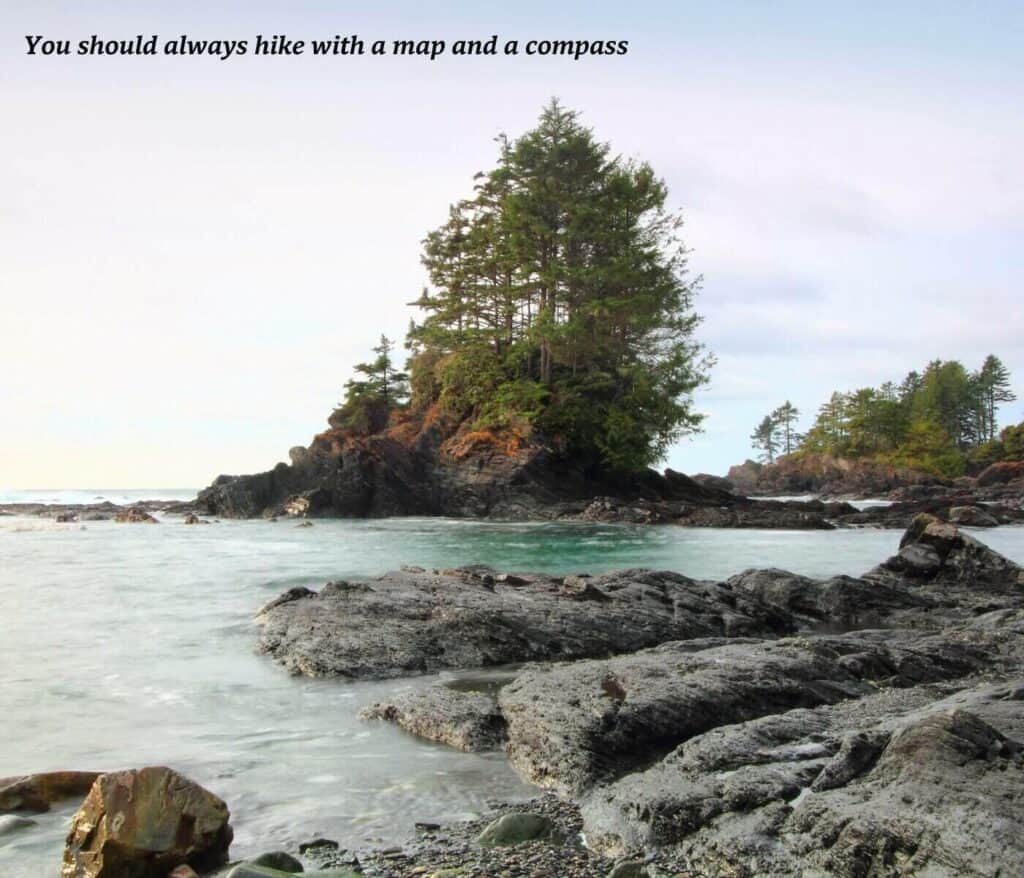
Maps
It’s also important to pack a map and compass, even if you rely on a GPS watch, because batteries can die and signal can drop at any time without warning.
Many of Canada’s most rewarding hiking trails pass through remote areas where mobile coverage is limited or non-existent, making traditional navigation tools an essential backup rather than an optional extra. Knowing how to read a map and orient yourself with a compass can help you stay on course and avoid turning a minor wrong turn into a serious problem.
Food and water
Carry more water and food than feels necessary, especially on the longer Rocky Mountain routes. Distances can be deceptive in the mountains and a hike that looks straightforward on a map can take considerably longer than expected once steep climbs, rough terrain, changing weather and frequent photo stops are factored in.
Extra water and a few high-energy snacks can make a significant difference if you find yourself delayed or working harder than anticipated. Even on well-travelled trails, it is always better to finish a hike with supplies left over than to run short miles from the trailhead.
Preparing for your hike
Permits, reservations and choosing a season
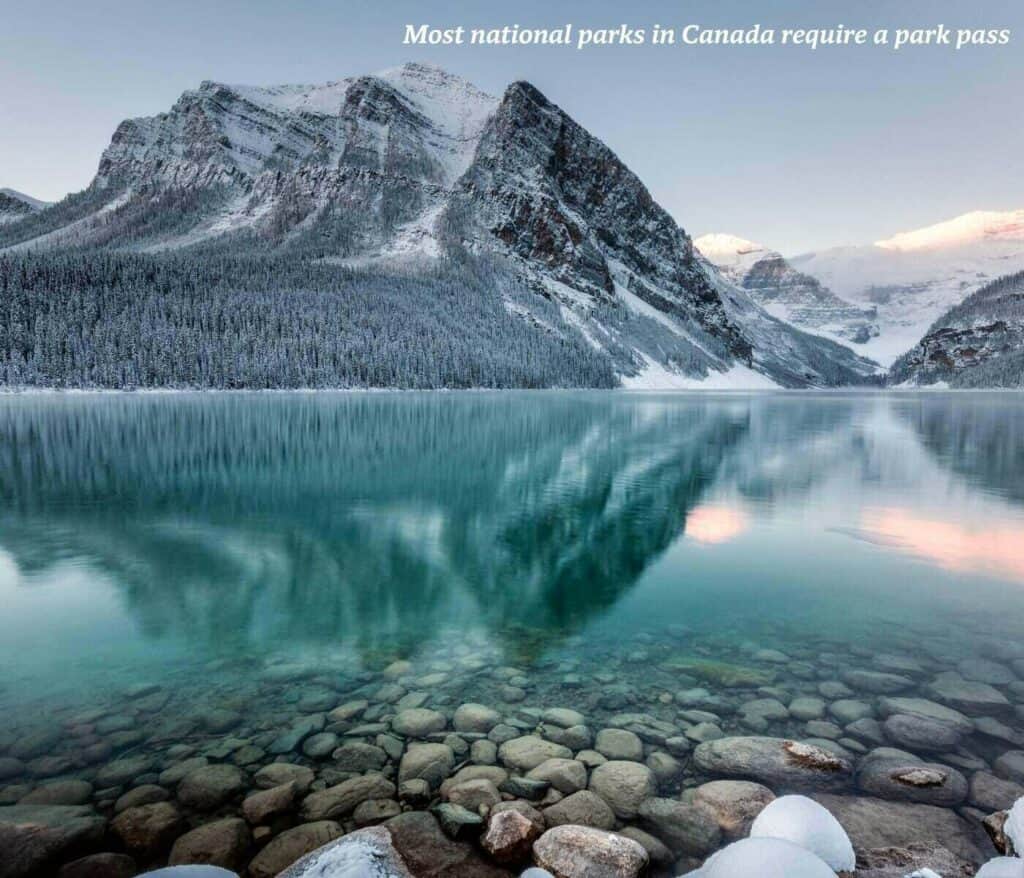
Most national park trails require a park pass – and busier backcountry campsites need a separate reservation that can sell out months ahead – so it is important to book as soon as your dates are confirmed.
Summer (from late June through to September) remains the safest bet for high alpine routes, since snow can linger into July at elevation, while coastal trails on Vancouver Island stay walkable later into the autumn.
For a sense of how much choice is out there, National Geographic’s rundown of Canada’s national parks is an excellent place to start.
Do I need to worry about bears while hiking in Canada?
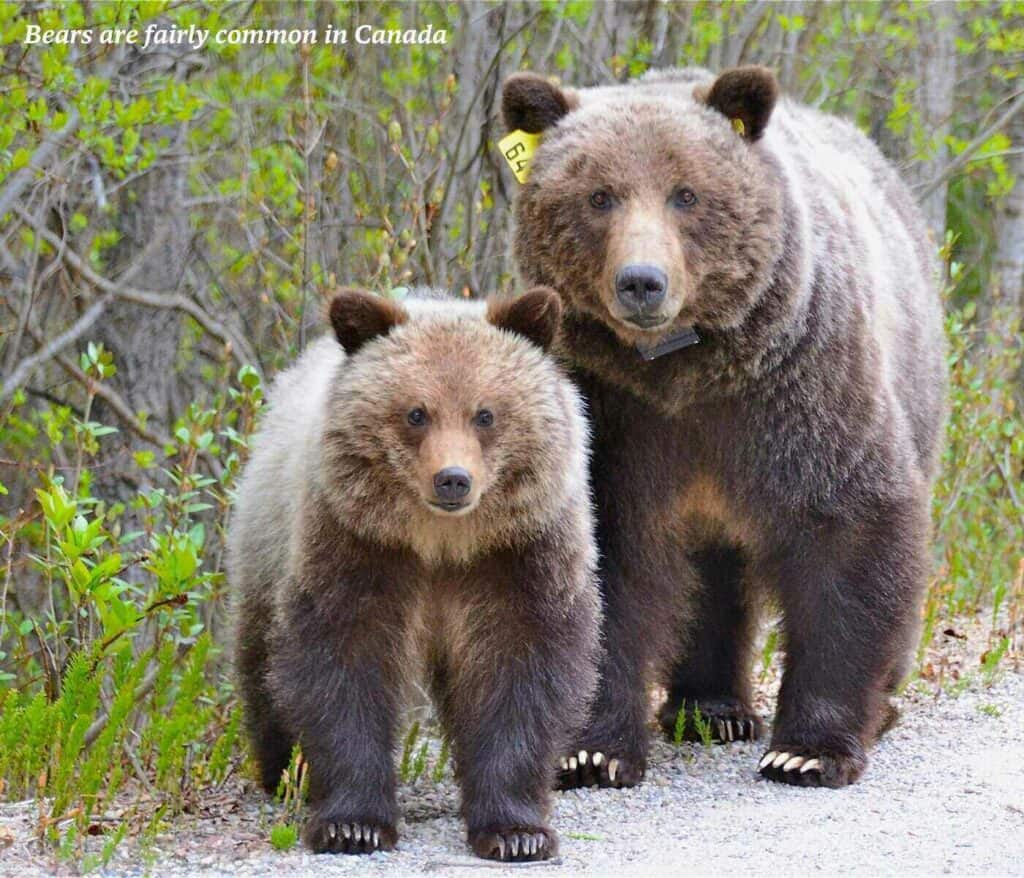
Encountering bears while hiking in Canada is often what concerns newcomers most, and with good reason. Both black bears and grizzlies are found throughout many of Canada’s mountain parks. Parks Canada publishes a comprehensive bear safety guide that is well worth reading before any backcountry trip. It covers essentials such as carrying bear spray, learning how to use it properly before you head out and making noise on the trail to avoid surprising wildlife.
Travelling in a group, storing food properly and well away from your tent and giving animals plenty of space are other fundamental precautions. In most cases, responsible behaviour and a little preparation are enough to ensure that wildlife encounters remain safe and uneventful for both hikers and animals.
Staying connected on remote routes
Staying in touch matters more than many people expect once they head into Canada’s wilderness. In the mountain parks, it is common to spend hours beyond reliable mobile coverage, particularly on longer trails and in deep valleys. Plenty of visitors now arrange an eSIM for Canada before they fly, allowing them to access maps, weather forecasts and trail reports while travelling between towns and trailheads. Even so, signal can disappear without warning once you venture further into the backcountry.
For genuine emergencies, a satellite messenger remains the most reliable option. However, for everyday navigation, checking conditions and keeping in contact when coverage is available, a good mobile data connection will handle most of what hikers need.
- Recommended reading: things to do on Prince Edward Island
Choosing your trail
Rocky Mountain trails around Banff
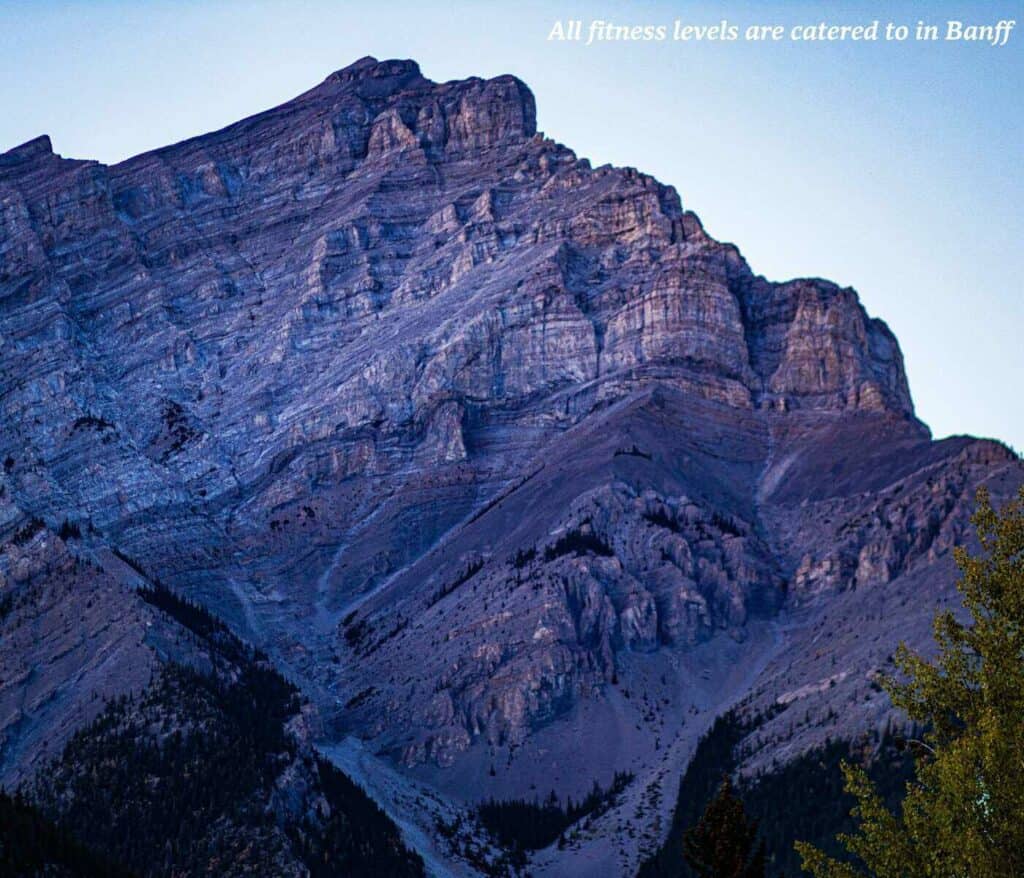
All fitness levels are catered to in Banff and the surrounding Rockies, which is why so many people head out there when the snow clears.
The Lake Louise lakeshore trail is an easy stroll suited to families and first-timers, while the Plain of Six Glaciers pushes that same start into a half-day outing with proper alpine views. For something harder, the Iceline Trail in nearby Yoho National Park climbs past glacier-fed streams to spectacular scenery, tough enough that you’ll want decent fitness and a full day in your legs.
Whatever your experience level, there is a trail to match it, making the Rockies one of the most accessible places in Canada to experience truly dramatic mountain landscapes.
Coastal paths in British Columbia
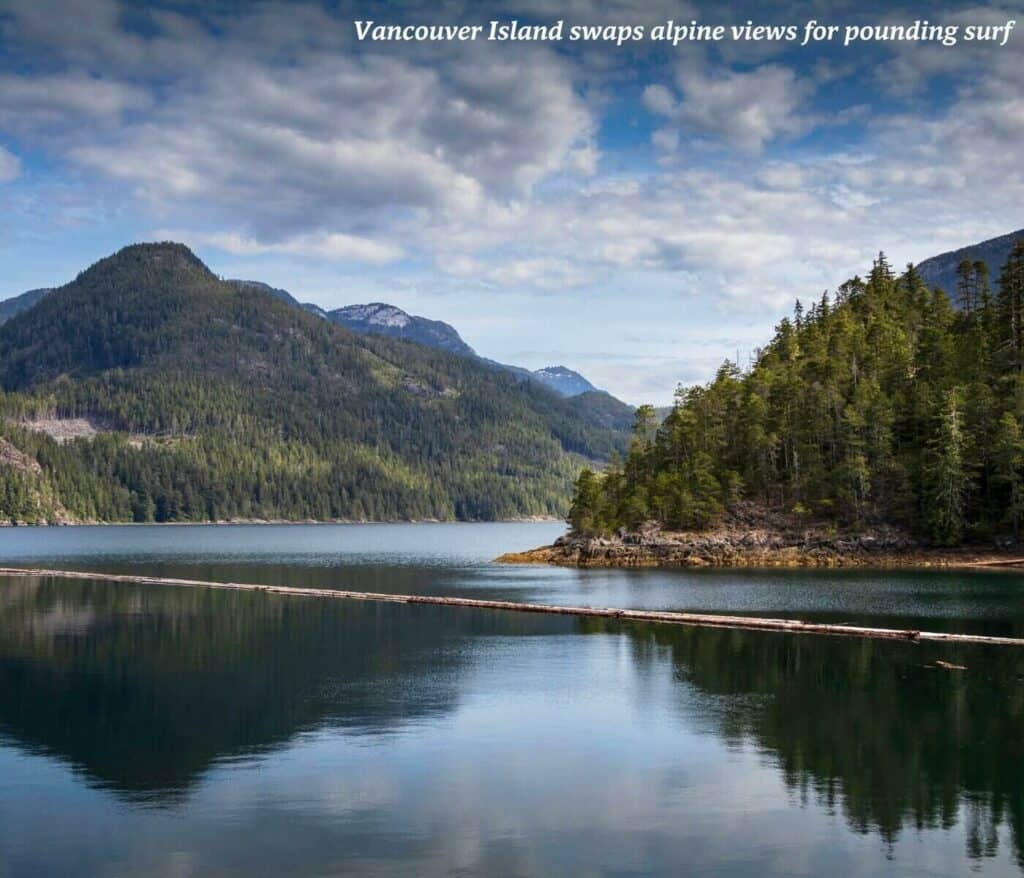
British Columbia’s coast plays an entirely different game, swapping alpine views for ancient rainforest and pounding surf.
The West Coast Trail on Vancouver Island is the famous one, a demanding multi-day route with ladders, suspension bridges and tidal sections that catch out anyone who hasn’t checked the schedule. If you’re looking for something less strenuous, sections of the Juan de Fuca Trail give you beautiful stretches of the same rugged coastline without quite the same level of commitment. Expect driftwood-strewn beaches, dense forest, sea stacks rising offshore and the constant sound of the Pacific rolling in.
The weather can be wetter and less predictable than in the Rockies, but that is part of the appeal. These coastal trails offer a completely different side of Canada’s wilderness, one where the rainforest meets the ocean and every bend in the path reveals another spectacular view.
- Recommended reading: why you should explore Nova Scotia in Autumn
Preparation beats ambition
None of this needs to feel overwhelming once you have the basics sorted. Good boots, a working knowledge of bear safety and a realistic assessment of your own fitness will get you further than any amount of gear shopping.
Whether that means a gentle lakeside walk in the Rockies or a week spent navigating tide tables on Vancouver Island, Canada is best enjoyed by those who arrive prepared.
Happy hiking!
More about Canada
For more about Canada, see our Nova Scotia guidebook: