Walking the Camino de Santiago: a spiritual journey
Considering walking the Camino de Santiago? Here’s why it’s good for the soul.
Trekking holidays that follow different routes of the Camino trail are becoming more and more popular. There’s the promise of dramatic scenery, good food and the physical challenge of long-distance walking. But – in an age of tablets and smartphones – the trail offers the chance too for a digital detox.
This is an ancient pilgrimage trail with spiritual roots and, whether you’re religious or not, you should embrace a break that can be not only healthy but life-affirming – a break that’s good for mind and soul.
What you need to know about walking the Camino de Santiago
The Camino de Santiago is an extensive network of pilgrimage routes stretching across Europe. Traversed by over 400,000 people every year, these iconic ways have become a popular choice for travellers looking to break away from routine and connect with the outdoors.
Converging on the Spanish city of Santiago de Compostela, several different routes winding through Portugal, France and Spain offer walkers the opportunity to explore a different side to these popular European destinations.
While routes and daily distances can be adapted, making the Camino de Santiago accessible to most people with a moderate level of fitness, it remains a genuine challenge. Beyond the physical effort, the Camino tests the mind: disconnecting from everyday life, finding a sustainable pace, and staying positive over many days of walking. Yet it is precisely this mental challenge that makes the experience so rewarding.
Why walking the Camino de Santiago feels life-changing
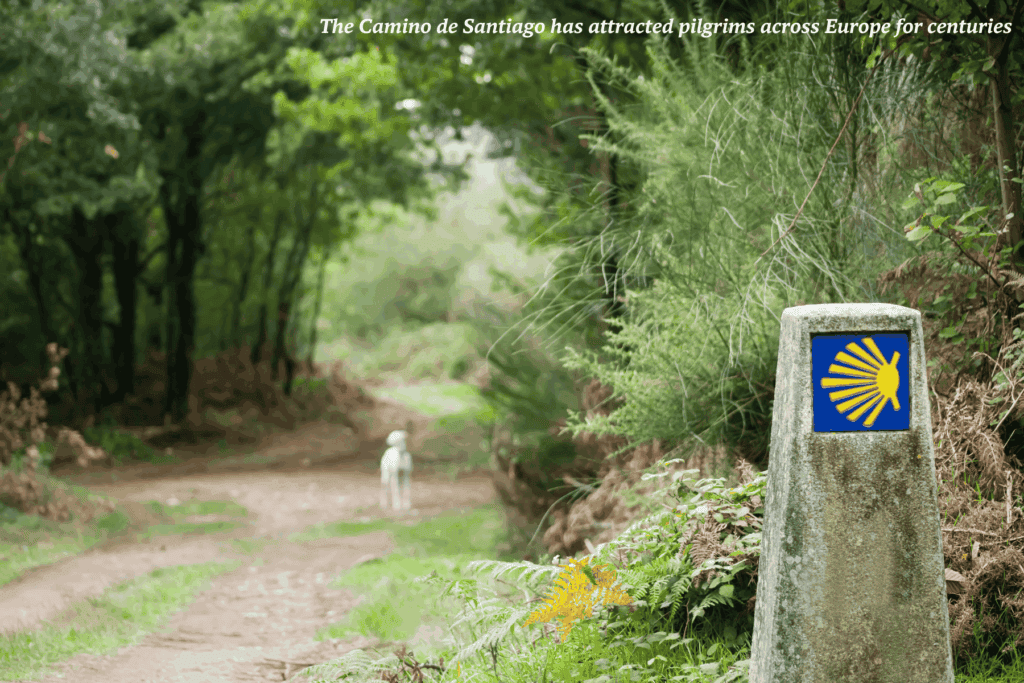
The Camino de Santiago has attracted pilgrims across Europe for centuries, yet many who walk it say the most meaningful journey is the one that happens within. Beyond the historic villages, churches, and landscapes, the Camino offers something rare: sustained time for inner reflection. Amid the noise and constant demands of everyday life, pilgrims walk not only toward Santiago, but toward a greater understanding of themselves and the world they live in.
The Camino is often described as life-changing because the conditions of the journey – long hours of walking, silence, and distance from daily routines – encourage people to turn inward. Constant contact with nature through the sweeping vistas of the French Way, the coastal paths of the Portuguese Way, and the quieter byways of the English routes help dissolve emotional defences and create a heightened sense of awareness.
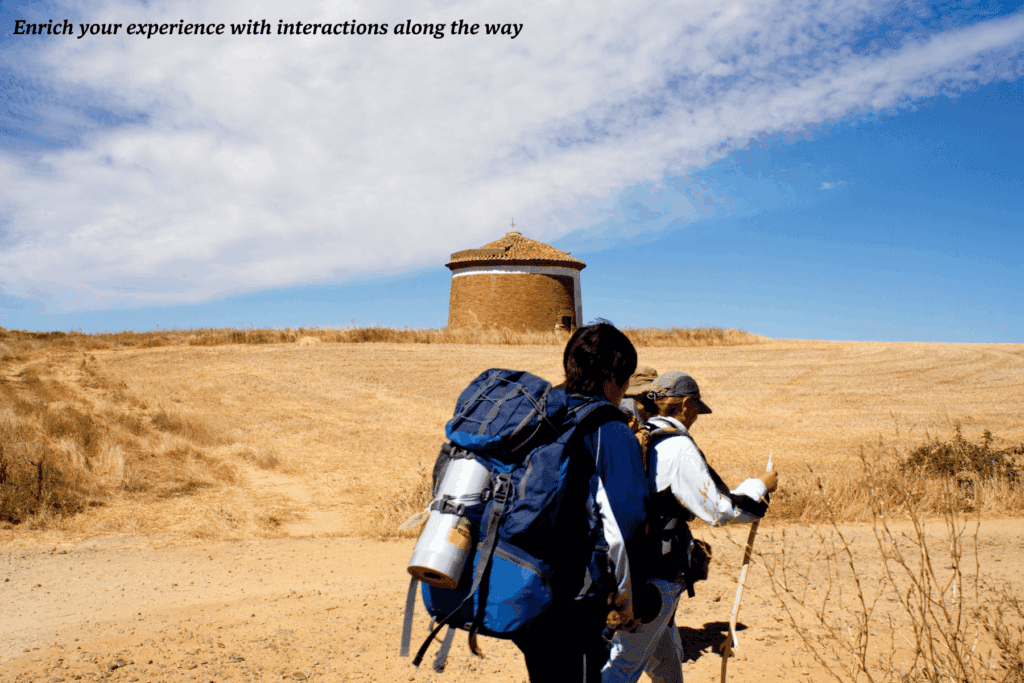
Long stretches of silence, balanced by brief and honest interactions with fellow pilgrims, create an atmosphere in which unresolved feelings can surface naturally.
An internal journey
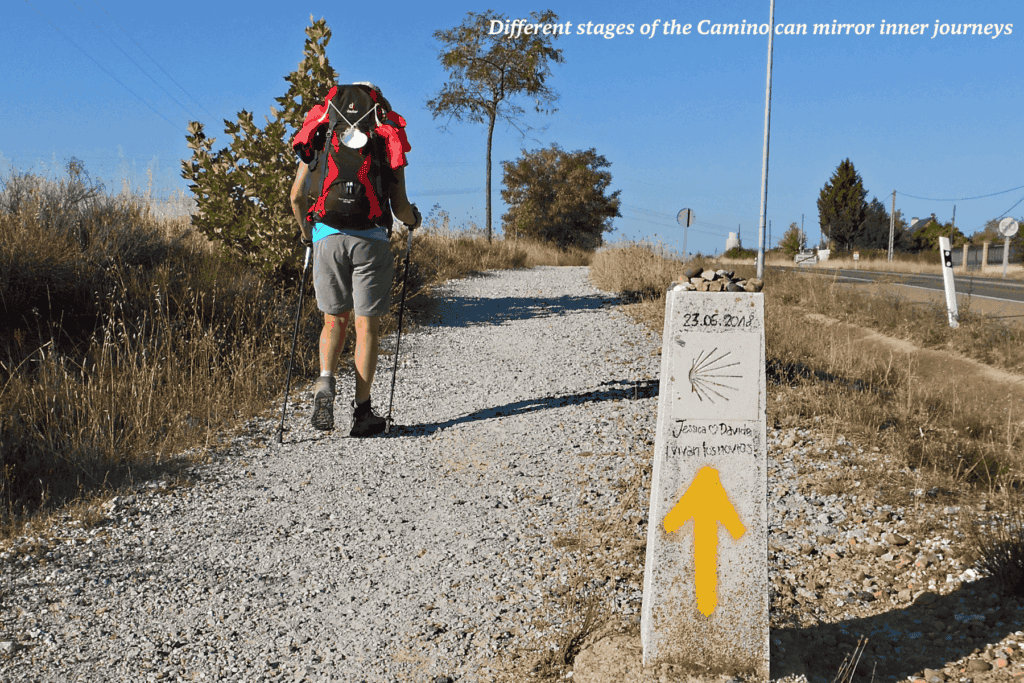
Different stages of the Camino can mirror inner journeys. A tough climb can bring up resistance or uncertainty, while a long, flat stretch can test your patience – or help build it. Many pilgrims notice that moments of clarity are often preceded by doubt and exhaustion, suggesting physical exertion can make it easier to achieve emotional honesty.
Psychologists note that repetitive movement, such as walking long distances, can place the brain in a calm, reflective state similar to meditation. For this reason, spiritual guides often describe the Camino as a ‘moving retreat’, where personal growth unfolds slowly and naturally, guided by the simple rhythm of putting one foot in front of the other.
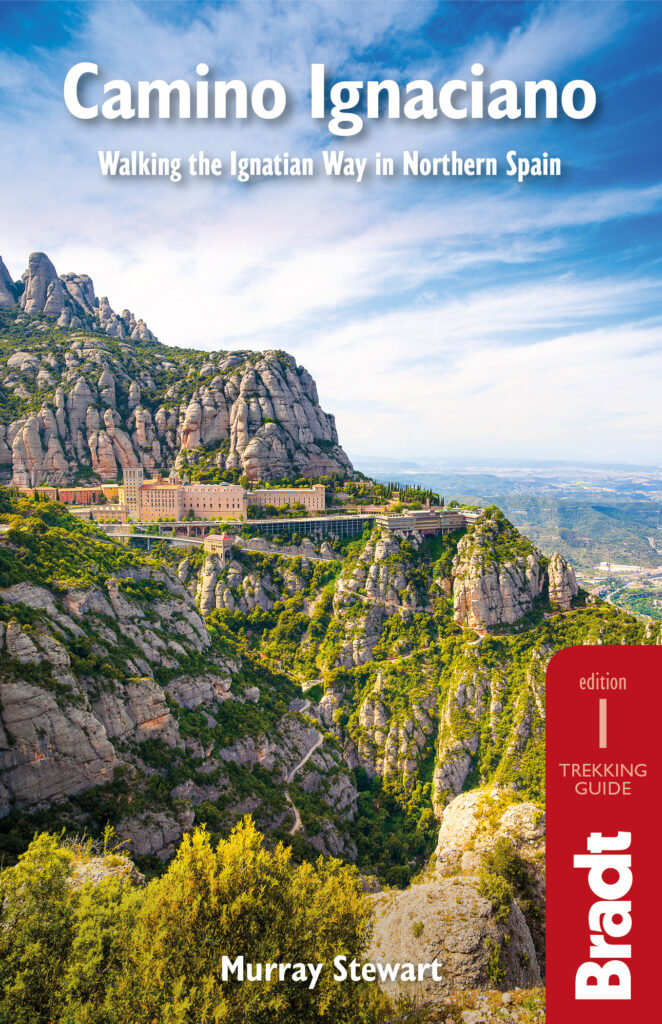
- Recommended reading: a pilgrimage for the modern age – walking the Camino Ignaciano
Enrich your experience
Even simple daily habits can turn the Camino into a meaningful experience. Some pilgrims begin the day by setting a quiet intention at sunrise, framing the walk as more than just a physical challenge. Others pause at mountain passes or village doorways for a moment of silent gratitude, marking an emotional transition from one stage to the next.
Many find it helpful to write brief reflections, draft letters to their future selves, or pause for a moment of awareness before meals. These small practices add depth to each day, turning ordinary actions into significant moments.
Walking the Camindo de Santiago: the practicalities
Which route should I choose?
The Camino Route you choose will very much depend on your priorities.
If this is your first time – or you’re keen to meet lots of fellow hikers long the way – we’d suggest sticking to the most popular route, the Camino Francés. At 495 miles long, the trail begins in Saint-Jean-Pied-de-Port in France and promises spectacular scenery across its length.
If disconnecting from the outside world is especially important to you, the Camino del Mar offers untouched landscapes and fewer hikers, allowing you to truly immerse yourself in the solitude many people associate with walking the Camino de Santiago.
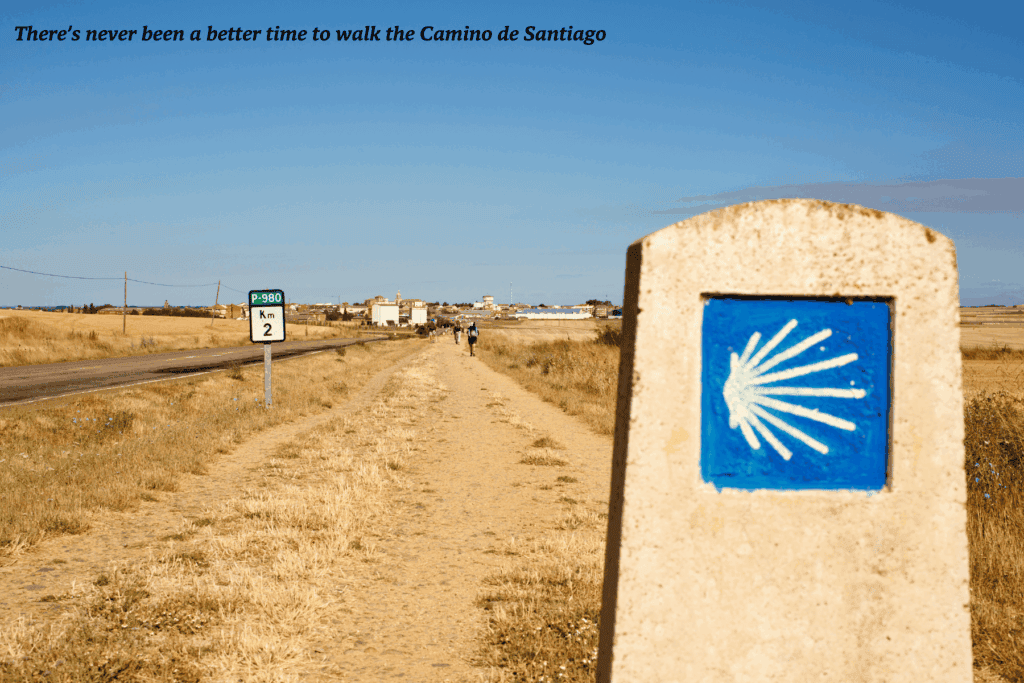
When should I walk the Camino de Santiago?
The Camino de Santiago is best visited between April and October when the weather lends itself to time spent outdoors. Naturally, the summer months are among the busiest so if your schedule allows, walking in spring or early autumn can result in a more tranquil experience.
Why taking a break matters now more than ever
In the age of mass tourism, preserving the Camino’s spiritual richness is a conscious choice. Walking more slowly, travelling outside peak seasons, limiting digital distractions, and engaging respectfully with local communities all help maintain the things that make this journey special.
When the Camino is treated as a personal experience rather than a race to the finish, it creates space for reflection that is more important now than ever before.
More information
Discover more spiritual walking ways in our guide to Camino Ignaciano: